

Barefoot Training Specialist® Level 1 Certification

With the foot as the only contact point between the body and the ground, this complex structure plays a critical role in the way in which our body stabilizes during dynamic movement. As the foundation to all EBFA education, the Barefoot Training Specialist Level 1 Certification sets the foundation for advanced concepts in barefoot activation,…
Read MorePower Training for the Everyday Client

This session offers effective methods for incorporating power training into your training plans, featuring fundamental bodyweight exercises, traditional barbell lifts and medicine ball exercises.
Read MoreBarefoot Training Specialist® Level 1 Certification
Barefoot Training Specialist® Level 1 Certification EBFA Barefoot Training Specialist® Level 1 Certification program. With the foot as the only contact point between the body and the ground, this complex structure plays a critical role in the way in which our body stabilizes during dynamic movement. As the foundation to all EBFA education the Barefoot…
Read MoreTRX® Rip™ Training: Sports Performance & Metabolic Conditioning
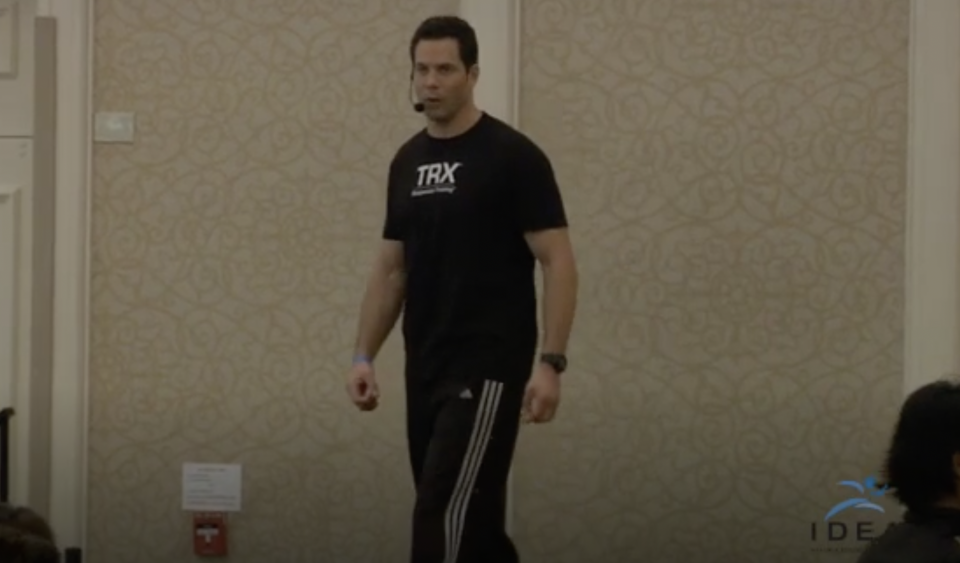
Originally developed by a world–class martial artist, RIP Training has been effectively used by top athletes in practically every major sport. This course builds on TRX Rip Training: Foundations education, and teaches the trainer how to layer more advanced footwork patterns, movement speed and compound exercises to improve peak athletic performance and conditioning. Be prepared…
Read MoreTraining the Pregnant Athlete

Many clients train like athletes and want to know the upper limits that are acceptable during pregnancy. Discover the guidelines and research about pregnant exercisers and get examples from pregnant athletes worldwide. Learn about the effects of exercise on the fetus and the mother and find out how to progress a cardio, strength and core…
Read MoreMetabolic Meltdown
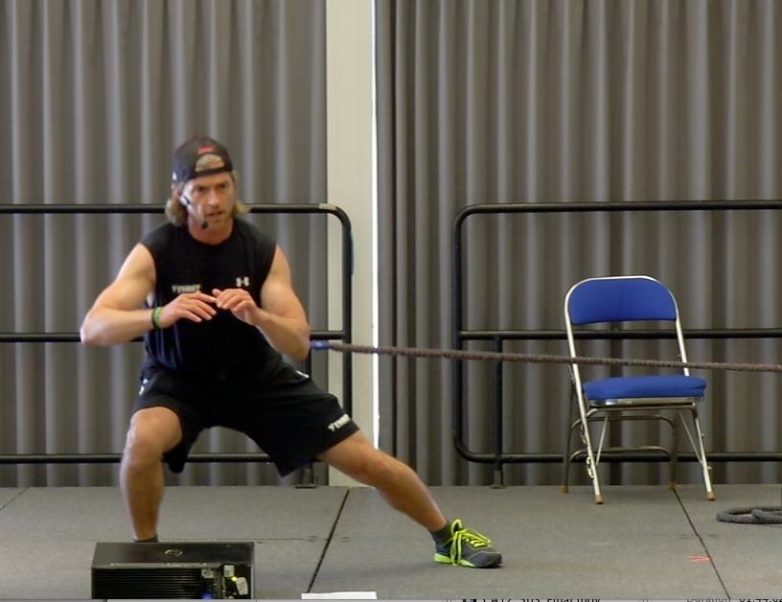
Everyone wants to burn more calories, build more muscle, improve posture and balance, move well and be injury free. To recharge metabolism, every exercise must maximally overload the human machine. If you are looking for innovative ways to challenge your clients, get the tools you need to elevate your training plans to the next intensity…
Read MoreThe Next Wave in Corrective Exercise: Rhythm and Timing
For over a decade now, corrective exercise has mostly consisted of a similar set of special exercises. However, with access to new information about how the body and brain works, is it possible that we may be able to add some new strategies? Examine the power of creating rhythmical motion and how rhythm can help…
Read MoreStart 2 Finish: Small Group Sports Conditioning
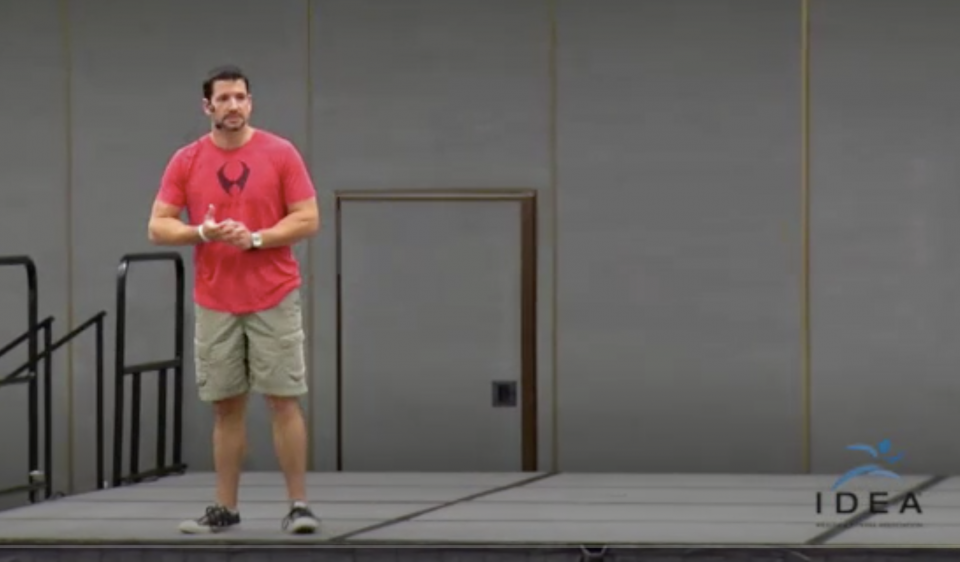
Join us for a great small-group training session just for your athletically minded participants. Using small equipment, you’ll be able to create strength, power and agility exercises that will challenge even your most athletic clients. Also, this workshop will include a module that addresses how to effectively incorporate stability and mobility drills for successful warm-ups.
Read MoreHow To Safely Introduce Plyometrics Into Your Clients Routine
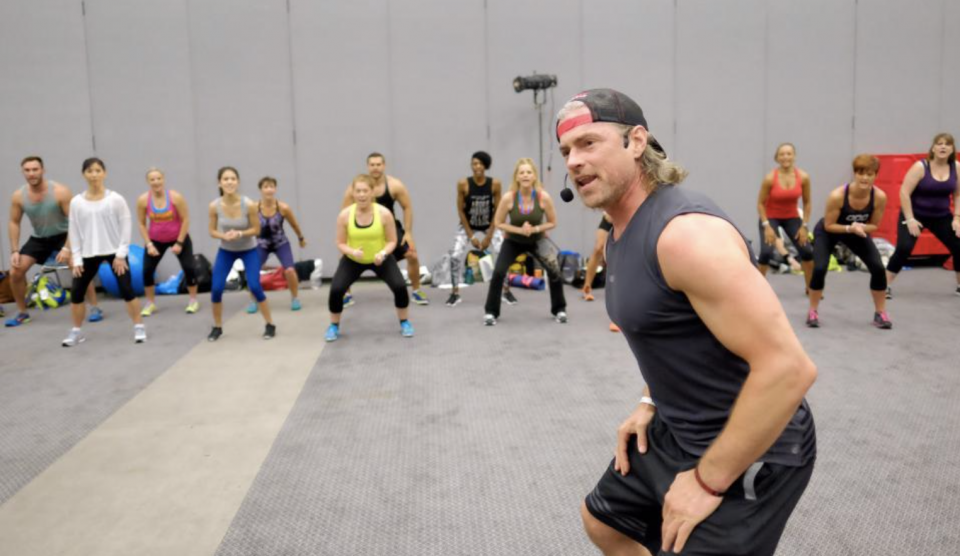
Plyometrics are an incredible tool for developing speed, strength and power. They can be exciting, fun, dynamic, high metabolic drills with massive caloric expenditure. But they are often misused in current training programs and come with risk of injury. This workshop will teach you simple, replicable readiness assessments that prepare your clients to safely succeed…
Read MorePower Core for Sports and Fitness Performance

All movement starts from the core and its strength and stability are critical to athletic performance. In this workshop, we will combine vertical and horizontal exercises and show how you can help your athletic clients improve their performance. Trainers will learn 30+ versatile exercises done on one or two feet, on and off the floor,…
Read MoreRun Injury Free! Understanding Impact Forces, by EBFA

From cardiovascular benefits to weight loss, running is one of the most common forms of exercise. Learn how to prevent running-related injuries by training pre-activation responses, muscle tuning and fascial elasticity—all of which translate to faster neuromuscular responses and a significant decrease in injury risk. Learn simple techniques you and your runners can apply right…
Read More