

Anatomy/Kinesiology

The Body in Layers
Ask a fitness professional to name the primary muscles involved in a squat and the answer comes easily. Ask where the gluteus maximus originates or what action the latissimus dorsi…

What Really Creates a Strong Grip?
Grip looks simple from the outside, but producing and maintaining it requires coordinated action across the fingers, thumb, hand, wrist and forearm. Many of the muscles responsible for finger flexion…

Fascia Without the Hype
Few structures in the human body have acquired as much mystique in fitness and wellness as fascia. It has been described as a communication network, blamed for restricted movement and…
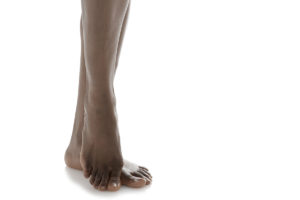
The Small Muscles of the Foot Have a Big Job
The foot contains a surprisingly complex network of small intrinsic muscles that help support the arches, stabilize the toes and contribute to the foot’s ability to adapt as it meets…

Your Shoulder Blade Is Supposed to Move
For years, many fitness professionals were taught to coach the shoulder blades with some version of the same instruction: “Pull your shoulders down and back.” There are times when creating…

The Rib Cage Does More Than Protect Your Organs
The rib cage is easy to think of as protective scaffolding around the heart and lungs, but it is also a moving component of the trunk. The ribs articulate with…
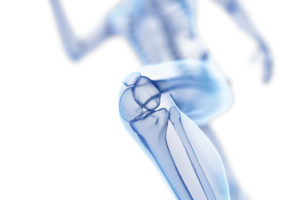
Strength Training Is Having a Bone Health Moment
Resistance training has long been associated with muscle strength and function, but interest is increasingly turning toward what happens beneath the muscle. Bone is living tissue that responds to mechanical…
Muscle Quality May Be as Important as Muscle Size
Researchers are increasingly examining muscle quality; the strength and function of muscle relative to its size, as a key factor in physical performance and healthy aging. Studies suggest muscle quality…

Register for “The Language of Fascia” Webinar
IDEA Health & Fitness Association® is pleased to welcome you to this live educational webinar with functional podiatrist and human movement specialist Dr. Emily Splichal, owner and founder of Naboso….
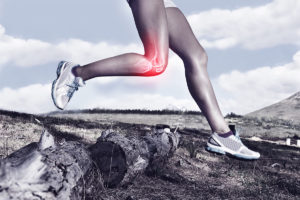
Joints and Movement Types: Understanding the Body’s Hinges
The Role of Joints in Everyday Life Joints are the body’s hinges, connecting bones and allowing movement. Without joints, actions as simple as bending an elbow, turning the head, or…

Shoulder Girdle Anatomy
Why the Shoulder Girdle Matters The shoulder girdle is one of the most remarkable structures in the human body. Composed of the clavicle (collarbone) and scapula (shoulder blade), it connects…

The Body’s Unsung Heroes: Why Foot and Ankle Strength Matters
The Foundation of Movement The foot and ankle form the base of the human body, serving as the foundation for nearly every movement. With 26 bones, 33 joints, and over…
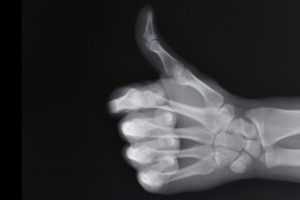
Skeletal Myths vs. Medical Facts
Skeletons in the Spotlight Halloween decorations often feature skeletons as spooky, lifeless figures. Yet the reality of the human skeleton is far more fascinating and vital. The skeleton is not…
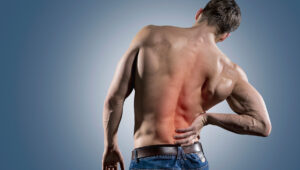
Spine-Chilling Science: How to Keep Your Back Strong and Supported
Introduction: Why Your Spine Matters The human spine is often described as the backbone of the body—both literally and figuratively. It supports our posture, enables movement, and protects one of…
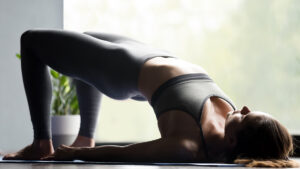
Glute Activation and Hip Stability for Fitness Professionals
The gluteal muscles and hip stabilizers play a central role in human movement, posture, and athletic performance. Often referred to as the powerhouse of the body, the glutes provide strength,…
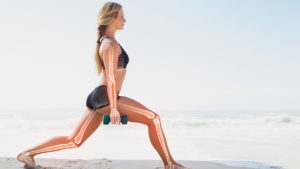
Bone Health for Fitness Professionals
Bone health is a critical foundation for human movement, athletic performance, and long-term well-being. The skeletal system provides structure, protects vital organs, stores minerals, and produces blood cells. Without a…
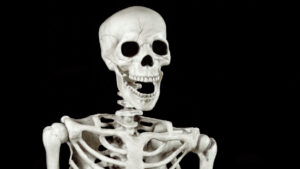
Skeletal System Overview
The skeletal system is the framework of the human body, composed of 206 bones in adults. Beyond structure, bones provide vital functions: protecting organs, storing minerals, facilitating movement, and producing…
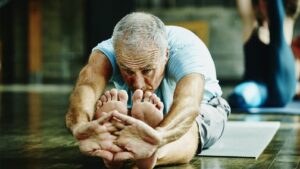
The Science of Stretching Before Your Workout: Help or Hinder?
For years, athletes and fitness enthusiasts were told to hold long stretches before exercise to “loosen up” and prevent injury. Recent research, however, suggests that the type of stretching matters…

Striding Lunges vs Stationary Forward Lunges
Longer steps while lunging and striding maximize muscle recruitment, according to a small study of young, healthy male and female adults published in Journal of Functional Morphology and Kinesiology .Researchers…

Rotational Power: Moving Beyond the Sagittal Plane
Many clients enthusiastically participate in rotational sports, such as golf, baseball, softball, tennis, pickleball, hockey, lacrosse, handball and volleyball. As fitness professionals, one major goal is to help our clients…