


Vivian Griggs
Vivian Griggs
Article Archive

Register now for Ground Reaction Force to Rotary Ground Force Training presented by John Preston, MS, CSCS, EP-C and Carl Horne Jr., PTT Join us April 22nd at 11:00am PST for Ground Reaction Force to Rotary Ground Force Training presented by John Preston, MS, CSCS, EP-C and Carl Horne Jr., PTT. Discover how to harness…

Each year, our community comes together to celebrate the people who are moving the fitness industry forward. Those who inspire, educate, and lead with purpose. At the 2026 NIRSA+IDEA World Expo and Conference in National Harbor, MD, we proudly honored this year’s outstanding award recipients. We’re thrilled to announce Dr. Judi Brown Clark as the recipient…

FOR IMMEDIATE RELEASE IDEA Health & Fitness Association (IDEA), the world’s leading organization for fitness and wellness professionals, is pleased to announce the creation of IDEA ASIA, a new licensing agreement that builds on the success of the IDEA Korea partnership. From 2020 to 2025, IDEA worked with Korean partners to produce the IDEA Korea Convention and IDEA…

Meal timing remains a topic of interest, particularly among clients balancing training with demanding schedules. While timing can influence performance and recovery, rigid protocols often prove impractical. Current discussions emphasize adaptability, focusing on spacing meals to support energy rather than hitting precise windows. Fitness professionals can help clients view meal timing as a supportive tool,…

As nutrition messaging becomes increasingly complex, fitness professionals are often asked to weigh in on supplements, dietary trends, and health claims circulating on social media. Determining when to provide guidance and when to redirect to qualified nutrition professionals remains an ongoing challenge. This raises an important professional question: How much nutrition guidance is appropriate within…

Starting a fitness routine can be overwhelming, especially with all the technical lingo. One term you might come across is “cardio zones.” Don’t worry! It’s simpler than it sounds and can actually help you get better results without working out harder than you need to. Cardio zones are just different levels of intensity during your…

Imagine increasing your daily activity not through the gym or planned workouts, but simply by shifting when you go to bed. According to a recent PNAS‑cited study featured in Real Simple, researchers at Monash University found that going to bed earlier was strongly associated with higher next‑day physical activity, even for people who weren’t exercising…

In today’s tech-centric world, it’s tempting to ask an AI chatbot for a personalized fitness plan. However, while AI tools can offer ideas and structure, relying solely on them comes with serious risks. Here’s what you should know – and why certified fitness professionals still deserve your trust. Generic Advice, Not Proper Personalization AI tools…

Creatine is a naturally occurring nitrogen‑containing compound synthesized in the liver, kidneys, and pancreas from the amino acids glycine, arginine, and methionine. Approximately 95% of the body’s creatine and phosphocreatine is stored in skeletal muscle, with the remainder in tissues like the brain and testes. It plays a critical role in high-intensity energy production by…

Cardio workouts are one of the best things you can do for your heart, lungs, and overall well-being—but not all cardio is created equal. You’ve probably heard terms like “fat-burning zone,” “target heart rate,” or “HIIT workouts.” These all tie into cardio zones—specific heart rate ranges designed to guide your intensity and help you achieve…

Functional fitness has evolved from a niche training philosophy into one of the most influential paradigms in exercise science. Initially embraced by physical therapists and rehabilitation specialists, functional fitness now forms the foundation of many general population and athletic training programs. Today, it continues to expand with new trends, modalities, and technologies that support holistic,…

Why Magnesium Matters Magnesium is an essential mineral involved in more than 300 biochemical reactions in the body. It plays a critical role in supporting muscle and nerve function, regulating blood pressure, producing energy, maintaining bone density and supporting sleep quality. Despite its importance, more than half of the U.S. population does not meet the…

Leslee Bender has worked in the fitness industry for over four decades and has been a pioneer in creative, functional training since the early years of her career. In 2000, while teaching in Germany, she discovered a small ball that would ultimately revolutionize the way core training is approached. Introducing it to the traditionally classical…
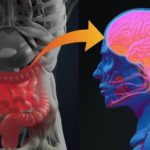
Your digestive tract is home to trillions of microorganisms, including bacteria, fungi and other microbes collectively known as the gut microbiome. These microbes don’t just help you digest food—they influence nearly every system in your body, from immunity and hormone regulation to brain function and mood. In recent years, research has confirmed what many traditional…

Understanding Plant-Based Protein For decades, protein has been associated with animal sources like meat, eggs and dairy. But as more people shift toward vegetarian, vegan or flexitarian diets, plant-based protein is gaining well-earned recognition for its ability to support muscle health, metabolic function and overall well-being. Whether you’re cutting back on animal products or going…

Why Fiber Matters More Than You Think Fiber is one of the most essential and under-consumed nutrients in the modern diet. Found in fruits, vegetables, whole grains, legumes, nuts, and seeds, fiber plays a critical role in digestive health, heart health, blood sugar balance, and even weight management. Yet, according to the U.S. Department of…

If you’re using a medication like Ozempic®, Wegovy®, or Mounjaro® to help with weight loss, you’re not alone. These GLP-1 medications have become a popular tool for people trying to improve their health and manage their weight—often with dramatic results. But here’s something you might not have heard: while these medications help reduce appetite and…

With the rise of medications like Ozempic®, Wegovy®, and Mounjaro®, GLP-1 receptor agonists have become a popular—and often highly effective—tool for weight loss. But with fast body composition changes come new questions about muscle maintenance, exercise performance, and safe, sustainable fitness routines. As a fitness professional, it’s essential to understand how these medications work, what…

With 23 years of experience in the fitness industry, Darlene Miller has been a dedicated member of IDEA® for two decades, drawn to the organization’s commitment to supporting and advancing the marketing efforts of personal fitness trainers. She credits IDEA’s monthly newsletters for providing valuable insights that help her stay current with industry trends and…

Wearable Fit Tech: A Must-Have for Fitness Professionals in 2025 In 2025, wearable fitness technology is one of the hottest trends transforming the fitness industry. Whether you’re a trainer looking to improve your own fitness or guide your clients, understanding the different types of wearable fit tech can elevate your services and enhance client outcomes.…