Business of Group Fitness

Strength Training Wearables Expand Beyond Cardio Tracking
Wearable technology is beginning to move beyond step counts and heart rate tracking into resistance training. New devices entering the market aim to measure repetitions, tempo, range of motion and…

Fitness Trackers Still Show Gaps in Accuracy Compared to Clinical Tools
Despite rapid improvements, consumer fitness trackers continue to show variability when compared to clinical-grade measurement tools. Research highlights discrepancies in areas such as calorie expenditure, sleep staging and recovery metrics….

The Case for Flexible Program Design
The Illusion of Control in Program Design Strength training culture has long prized precision. Percentage charts, loading tables, volume prescriptions and mesocycle templates offer the appearance of scientific certainty. A…
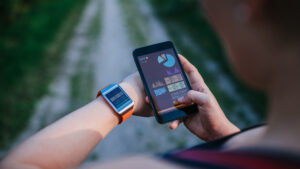
Wearables Provide Useful Data but Accuracy Still Varies
Wearable fitness technology has expanded rapidly, giving consumers access to real-time data about steps, sleep, heart rate and activity levels. While these tools can support motivation and awareness, researchers caution…

Fit Tech in 2026: What Works, What Doesn’t, and Who It Serves
Technology is no longer an emerging trend in fitness. It is infrastructure. Most clients already use some form of fitness technology—smart watches, sleep trackers, training apps, virtual platforms. Many arrive…

Data Without Context is Not Coaching
As technology and wearables proliferate, raw data alone does not improve outcomes without interpretation. Industry trend reports emphasize the importance of human expertise in translating metrics into meaningful decisions. Fitness…

Credential Saturation in Fitness
Credential proliferation continues as the industry grows, leading consumers to face an array of certifications and specializations. This saturation highlights the need for professionals to articulate not just credentials held,…

AI Tools Trainers are Actually Using
Artificial intelligence is reshaping coaching tools, not by replacing human expertise but by streamlining tasks like scheduling, communication, and personalization. Leading reports indicate that AI will increasingly support programming, member…

Hybrid Coaching Models
Demand for hybrid coaching models – blending in-person and remote support – persists as clients prioritize flexibility and continuity in their fitness journeys. Hybrid formats allow clients to receive personalized…
Wearables Fatigue and Data Overload
Wearable technology remains a top trend for 2026, but with increased use comes a risk of data fatigue. As devices track heart rate, sleep, steps, and more, clients may struggle…

Leading Authentically
Leadership in the fitness industry has always been demanding, but the current landscape has raised the stakes. Rising operational costs, pressures from stakeholders, evolving client expectations, and an industry-wide staffing…

Digital, Self-Managed Training Faces Adherence Tests
As digital training platforms continue to evolve, new research is examining how adherence holds up without in-person support. These findings reinforce ongoing discussions about the limits of technology alone and…

Beyond Moderate-to-Vigorous Activity Metrics
Researchers are expanding how movement is defined and measured. Moving beyond traditional intensity thresholds, newer models examine total daily movement patterns and behavior integration, reflecting a broader understanding of how…

Wearables Still Shape How Fitness Is Delivered
Wearable technology continues to top trend forecasts, including the 2025 ACSM survey, but the conversation is shifting. As data access expands, attention is turning toward interpretation and application, reinforcing the…

Build Community with Evidence-Based Tips
Researchers examine strategies to boost exercise participation across three club types. Building community and increasing engagement are key to client retention. Norwegian School of Sports Sciences researchers in Oslo, Norway,…
Fitness Apps Don’t Replace Trainers
Research shows users of a fitness app have modest, lasting gains. In a 24-month study of more than half a million Canadian fitness-app users, researchers found that offering small daily…
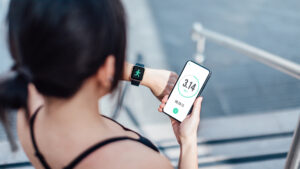
The Science of Tech, Behavior Change and Program Adherence
Digital tools – from wearables to apps to AI coaching platforms – are reshaping how clients track habits, stay accountable and navigate change. Understanding what the science says about technology’s…
IDEA Career Success Workshop: Finding Your Professional Niche as a Fitness Leader
The fitness industry offers an extraordinary number of career pathways. As a fitness professional, you can coach clients one-on-one, lead group experiences, mentor new instructors, manage teams, open a studio,…

IDEA Career Success Workshop: Pathways to Leadership in Fitness
Every fitness professional begins their journey with a passion for helping people move, feel, and live better. But as your skills deepen and your career grows, something important happens. Your…

IDEA Career Success Workshop: Financial Foundations for Fitness Professionals
A thriving fitness career is built on passion, professionalism, and the ability to empower others. But behind every sustainable, fulfilling profession lies something equally important: financial stability. For many fitness…