

Special Populations

Why Kids Drop Out of Sports and How Coaches Can Keep Them Engaged
The Dropout Problem Isn’t Random Youth sport participation rarely ends because of a single moment. It is more often the result of a series of experiences that gradually shift how a child feels about…

Aging Isn’t Linear: How Capacity Changes Across the Lifespan
Why the Linear Model Falls Short Aging is often framed as a steady, predictable decline. Strength decreases over time, recovery slows, performance tapers in a gradual, almost uniform way. It…
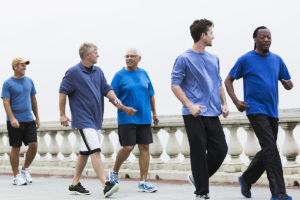
Testosterone Optimization in 2026 Focuses on Lifestyle Precision Over Quick Fixes
Interest in testosterone health has surged in recent years, but the conversation is shifting. Rather than focusing narrowly on supplements or quick fixes, current best practice emphasizes lifestyle-driven testosterone optimization….

The Importance of Muscular Power in Healthy Aging
Why Power Deserves Its Own Conversation Muscular power is the ability to generate force rapidly. Mechanically, it reflects force multiplied by velocity. In practical terms, it determines how quickly the…

Youth Sport Specialization Continues to Raise Injury Concerns
Early specialization in a single sport is increasingly common among young athletes. However, research suggests year-round participation in a single activity may increase the risk of overuse injuries and psychological…

Insurance Incentives for Preventive Physical Activity
Healthcare systems in several countries are experimenting with incentive-based models linking documented activity participation to financial rewards or reduced premiums. Early findings suggest modest increases in activity levels when incentives…

Resistance Training and Cognitive Aging
Beyond musculoskeletal adaptations, resistance training is receiving increased attention for its potential cognitive benefits in aging populations. Randomized controlled trials and meta-analyses suggest strength training interventions may improve executive function,…

Cardiorespiratory Fitness Outperforms BMI in Mortality Prediction
Large-scale cohort analyses continue to demonstrate that cardiorespiratory fitness strongly predicts mortality risk, often independent of body mass index. Individuals classified as overweight but exhibiting high fitness levels show lower…

Youth Sport Specialization and Injury Risk
Youth sport participation remains high globally, yet early specialization continues to raise concerns. Recent cohort studies suggest that year-round single-sport participation before adolescence is associated with increased overuse injury risk…
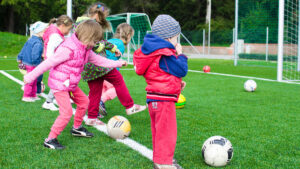
Lifelong Movers: Designing Youth Programs That Last
Two youth programs launch in the same community. Both have qualified coaches. Both meet twice per week. Both advertise skill development, teamwork, and confidence. Both begin the season with full…

From Childhood Movement to Late-Life Function: What the Data Suggest About Lifespan Health
Framing the Lifespan Question Across decades of public health messaging, physical activity has been positioned as protective—against metabolic disease, functional decline, and premature mortality. Yet when examined through a longitudinal…

Environmental and Social Barriers to Physical Activity
When Movement Depends on Geography Two people can receive the same advice – “be more active” – and live in entirely different realities. One walks out their front door onto…

Longevity as a Business Narrative
Longevity and healthspan are growing themes in industry forecasts, reflecting interest in long-term capability rather than short-term results. This narrative supports programming that emphasizes function, mobility, resilience, and aging well….

Accessibility as a Market Differentiator
Accessibility, whether physical, cultural, or functional, is increasingly recognized as a business differentiator in fitness offerings. Inclusive design, adaptable programming, and barrier-reduced environments broaden reach and reflect evolving consumer expectations….

Exercise Programming After Illness, Injury, or Time Off
Returning to exercise after illness, injury, or extended time away is rarely a simple matter of “getting back in shape.” Physiological capacity, cardiovascular tolerance, neuromuscular efficiency, recovery ability, and confidence…

Youth Sport Burnout Trends
Although not always tracked in industry reports, broader sports participation data and coaching communities are increasingly focused on burnout related to early specialization, high training loads, and performance pressure. Parents,…

Strength, Balance and Fall Risk
Falls are often framed as an inevitable consequence of aging. In reality, fall risk reflects a convergence of modifiable and non-modifiable factors, many of which sit squarely within the influence…

Psychological Drivers of Long-Term Engagement
New findings in older adults further highlight the psychological side of adherence. Rather than physical capacity alone, factors such as self-efficacy and commitment appear closely tied to sustained participation, underscoring…

Training for Life Transitions
For many clients, exercise participation is not disrupted by a lack of motivation or interest in health. It is disrupted by change. Injury, aging, shifting health status, caregiving demands, career…

Question of the Month
How are you integrating the popular interest in longevity with your marketing and education about the benefits of fitness training? And, are you highlighting the specific advantages of training with…