

Technology

Strength Training Wearables Expand Beyond Cardio Tracking
Wearable technology is beginning to move beyond step counts and heart rate tracking into resistance training. New devices entering the market aim to measure repetitions, tempo, range of motion and…

Fitness Trackers Still Show Gaps in Accuracy Compared to Clinical Tools
Despite rapid improvements, consumer fitness trackers continue to show variability when compared to clinical-grade measurement tools. Research highlights discrepancies in areas such as calorie expenditure, sleep staging and recovery metrics….

Fit Tech in 2026: What Works, What Doesn’t, and Who It Serves
Technology is no longer an emerging trend in fitness. It is infrastructure. Most clients already use some form of fitness technology—smart watches, sleep trackers, training apps, virtual platforms. Many arrive…
Wearables Fatigue and Data Overload
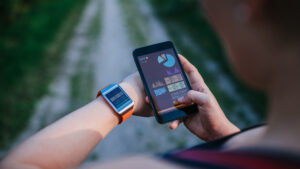
Wearable technology remains a top trend for 2026, but with increased use comes a risk of data fatigue. As devices track heart rate, sleep, steps, and more, clients may struggle…

Digital, Self-Managed Training Faces Adherence Tests
As digital training platforms continue to evolve, new research is examining how adherence holds up without in-person support. These findings reinforce ongoing discussions about the limits of technology alone and…

Beyond Moderate-to-Vigorous Activity Metrics
Researchers are expanding how movement is defined and measured. Moving beyond traditional intensity thresholds, newer models examine total daily movement patterns and behavior integration, reflecting a broader understanding of how…

Fitness Apps Don’t Replace Trainers
Research shows users of a fitness app have modest, lasting gains. In a 24-month study of more than half a million Canadian fitness-app users, researchers found that offering small daily…

Empowering Your Studio with AI to be Smart, Safe and Strategic
As a fitness club or studio owner, AI (artificial intelligence) isn’t just a buzzword – it’s a powerful partner that can help elevate the member experience, optimize operations, and drive…

IDEA Career Success Workshop: Staying in the Fitness Game
How do you succeed in the fitness profession? Whether you’ve just gotten certified, you’re returning to a fitness career or you’re an experienced pro who wants to develop new skills, the answer is the same: keep learning. Continuing education is a career necessity that becomes increasingly important as the fitness industry grows more sophisticated, diverse, specialized and evidence-based.

Fitness Trend 2025 – Wearable Fit Tech
Wearable Fit Tech: A Must-Have for Fitness Professionals in 2025 In 2025, wearable fitness technology is one of the hottest trends transforming the fitness industry. Whether you’re a trainer looking…


Virtual Reality Nutrition
Virtual reality (VR) may provide nutrition instructors with an engaging and exciting way to deliver important lessons on healthy eating.

Urine Tests for Nutrition Health
Soon, a trip to the bathroom may tell a lot about well (or poorly) someone is eating with urine tests for nutrition health.

TikTok Challenges and Junk Food Consumption
Are TikTok challenges leading people to eat more junk food? Brands selling ultraprocessed foods have found new employees—TikTok users.

Food Advertising for Children
Food advertising prevalent where children gather predominantly promotes fast food, sugar-sweetened beverages and candy.

New Vitamin D Food: Tomatoes
Scientists have developed a way using a gene-blocking technique with tomatoes to make them a good vitamin D food source.

Mycoprotein for the Environment
Substituting 20% of the meat we eat from cattle with microbial protein (mycoprotein) could halve deforestation and cut greenhouse gases.

Food on Social Media
A study found that food on social media highlighted eating or drinking nutritionally suspect foods and beverages.

New Labels for Bioengineered Food
Foods that have been previously classified as a GMO (genetically modified organism) will have a new symbol for “bioengineered” food.

TV Ads and Childhood Obesity
The number of children who are overweight or obese would decrease by 3.6% and 4.6%, respectively, if TV ads for unhealthy foods were reduced.