

Food & Hydration

Reversing Out of Dieting: Programming for Clients Increasing Calories After Fat Loss
Fat loss interventions are typically characterized by a high degree of structure, with caloric intake deliberately constrained, training variables carefully managed and progress evaluated against clearly defined outcomes. Once that phase concludes,…

Ultra-Processed Foods and Performance
Ultra-processed foods now make up a large portion of many diets, including among active individuals. While convenient, these foods are often lower in micronutrients and may impact satiety and energy…

Low Energy Availability Beyond Athletes
Low energy availability is often associated with elite athletes, but it can also affect general fitness populations. Clients who are dieting, increasing training volume or managing high stress levels may…
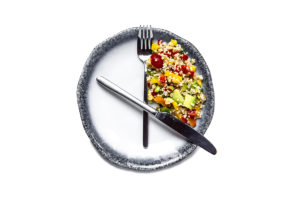
Intermittent Fasting and Training Adaptation
Intermittent fasting remains a popular dietary approach, often used for weight management and metabolic health. However, its interaction with training is less clear. Some individuals report improved adherence, while others…

Hydration Is More Individual Than Expected
Hydration guidelines often provide general recommendations, but individual needs can vary significantly. Sweat rate, climate, body size and exercise intensity all influence fluid requirements. As a result, fixed intake targets…

Sodium Intake and Sweat Loss
Sodium needs can vary widely, particularly among individuals who sweat heavily or train in hot environments. While general guidelines often emphasize limiting sodium intake, athletes and active individuals may require…

Protein Timing May Matter Less Than Total Intake
For years, protein timing has been emphasized as a key factor in muscle growth, particularly around the post-exercise “anabolic window.” More recent research suggests that total daily protein intake is…
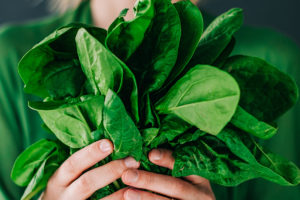
Fiber Intake and Gut Health
Interest in gut health continues to grow, with fiber intake playing a central role. Dietary fiber supports a diverse microbiome, which may influence digestion, immune function and metabolic health. Despite…

Hydration for Summer Training: Beyond Water and Into Performance
Why Hydration Changes in the Heat Hydration is often treated as a simple variable. Drink enough water, avoid dehydration and performance should hold. In cooler conditions, that approach usually works,…
Protein Intake: Are we overcorrecting?
Protein has become one of the most emphasized nutrients in fitness and wellness conversations, often positioned as a universal solution for satiety, muscle preservation, and body composition. While research supports…

Energy Deficiency in Active Adults
Energy deficiency is increasingly recognized beyond elite sport, affecting recreationally active adults who unintentionally underfuel relative to training, work, and life demands. Unlike overt dieting, energy deficiency can occur without…

Weight-Neutral Nutrition Conversations
Weight-neutral approaches emphasize health behaviors rather than scale outcomes, gaining traction as professionals seek more inclusive frameworks. This perspective shifts focus toward energy, strength, and function rather than weight change…

Hydration Myths that Persist
Hydration advice is often reduced to rigid rules, such as fixed daily water targets or assumptions of chronic dehydration. In reality, hydration needs vary widely based on activity, environment, and…

Fiber Intake Trends
Despite increased interest in gut health, fiber intake remains below recommended levels for many adults. Recent discussions emphasize fiber’s role in digestive health, metabolic regulation, and satiety rather than weight…

Ultra-Processed Foods: Evolving Definitions
Ultra-processed foods are frequently discussed as a category to avoid, yet definitions and applications continue to evolve. The NOVA classification system has driven much of the conversation, but research increasingly…

Teaching Food Literacy, Not Rules
Food literacy emphasizes understanding, skills, and context rather than rigid dietary rules. This approach supports autonomy and adaptability in real-world eating situations. Fitness professionals can reinforce food literacy by encouraging…

How dehydration may secretly stress us out
Low water intake can be more problematic than leaving you feeling thirsty. Turns out that drinking sufficient amounts of water is good for more than just keeping us hydrated; it…

Warm Autumn Soups for Immune Support
As the weather cools and sniffle season sets in, few things feel as comforting or as nourishing as a warm bowl of soup. Autumn produce like carrots, broccoli, tomatoes, and…
Hydration Isn’t Just a Summer Thing
When the weather cools down, many people forget about hydration. The truth is dehydration is just as likely in fall and winter as in the summer months. Cold air is…

Family Meals, Healthier Futures: The Power of Cooking Together
Home-prepared meals play an important role in shaping children’s nutrition. Studies consistently link family cooking with higher diet quality, including more fruits, vegetables, and whole foods, though evidence that it…