

Technology

Strength Training Wearables Expand Beyond Cardio Tracking
Wearable technology is beginning to move beyond step counts and heart rate tracking into resistance training. New devices entering the market aim to measure repetitions, tempo, range of motion and…

Fitness Trackers Still Show Gaps in Accuracy Compared to Clinical Tools
Despite rapid improvements, consumer fitness trackers continue to show variability when compared to clinical-grade measurement tools. Research highlights discrepancies in areas such as calorie expenditure, sleep staging and recovery metrics….
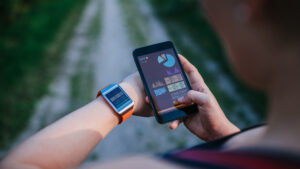
Wearables Provide Useful Data but Accuracy Still Varies
Wearable fitness technology has expanded rapidly, giving consumers access to real-time data about steps, sleep, heart rate and activity levels. While these tools can support motivation and awareness, researchers caution…

Fit Tech in 2026: What Works, What Doesn’t, and Who It Serves
Technology is no longer an emerging trend in fitness. It is infrastructure. Most clients already use some form of fitness technology—smart watches, sleep trackers, training apps, virtual platforms. Many arrive…

Data Without Context is Not Coaching
As technology and wearables proliferate, raw data alone does not improve outcomes without interpretation. Industry trend reports emphasize the importance of human expertise in translating metrics into meaningful decisions. Fitness…

AI Tools Trainers are Actually Using
Artificial intelligence is reshaping coaching tools, not by replacing human expertise but by streamlining tasks like scheduling, communication, and personalization. Leading reports indicate that AI will increasingly support programming, member…

Hybrid Coaching Models
Demand for hybrid coaching models – blending in-person and remote support – persists as clients prioritize flexibility and continuity in their fitness journeys. Hybrid formats allow clients to receive personalized…
Wearables Fatigue and Data Overload
Wearable technology remains a top trend for 2026, but with increased use comes a risk of data fatigue. As devices track heart rate, sleep, steps, and more, clients may struggle…

Digital, Self-Managed Training Faces Adherence Tests
As digital training platforms continue to evolve, new research is examining how adherence holds up without in-person support. These findings reinforce ongoing discussions about the limits of technology alone and…

Beyond Moderate-to-Vigorous Activity Metrics
Researchers are expanding how movement is defined and measured. Moving beyond traditional intensity thresholds, newer models examine total daily movement patterns and behavior integration, reflecting a broader understanding of how…

Wearables Still Shape How Fitness Is Delivered
Wearable technology continues to top trend forecasts, including the 2025 ACSM survey, but the conversation is shifting. As data access expands, attention is turning toward interpretation and application, reinforcing the…
Fitness Apps Don’t Replace Trainers
Research shows users of a fitness app have modest, lasting gains. In a 24-month study of more than half a million Canadian fitness-app users, researchers found that offering small daily…
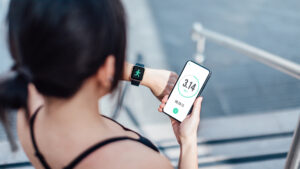
The Science of Tech, Behavior Change and Program Adherence
Digital tools – from wearables to apps to AI coaching platforms – are reshaping how clients track habits, stay accountable and navigate change. Understanding what the science says about technology’s…
Empowering Your Studio with AI to be Smart, Safe and Strategic
As a fitness club or studio owner, AI (artificial intelligence) isn’t just a buzzword – it’s a powerful partner that can help elevate the member experience, optimize operations, and drive…
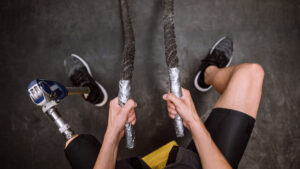
The Responsibility of Fitness Professionals in Building Welcoming Spaces for All
The concept of inclusivity has become a focal point in many sectors, from education and business to healthcare – and the fitness industry is no exception. Yet while the term…
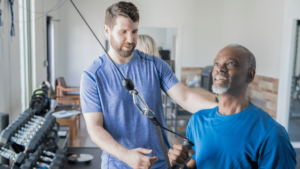
IDEA Career Success Workshop: Staying in the Fitness Game
How do you succeed in the fitness profession? Whether you’ve just gotten certified, you’re returning to a fitness career or you’re an experienced pro who wants to develop new skills, the answer is the same: keep learning. Continuing education is a career necessity that becomes increasingly important as the fitness industry grows more sophisticated, diverse, specialized and evidence-based.
Don’t Let AI Be Your Only Coach
In today’s tech-centric world, it’s tempting to ask an AI chatbot for a personalized fitness plan. However, while AI tools can offer ideas and structure, relying solely on them comes…

Fitness Trend 2025 – Wearable Fit Tech
Wearable Fit Tech: A Must-Have for Fitness Professionals in 2025 In 2025, wearable fitness technology is one of the hottest trends transforming the fitness industry. Whether you’re a trainer looking…

Evolution in Pandemic Teaching
Fit pros share how pandemic teaching changed their approach through embracing virtual classes and learning new skills.