

Nutrition

Alcohol and Recovery Trade-Offs
Alcohol consumption remains a common but overlooked factor in recovery and body composition. Even moderate intake can impact sleep quality and muscle protein synthesis. Alcohol can also impair glycogen replenishment…

Electrolytes Outside of Endurance Training
Electrolyte products are increasingly marketed to general fitness clients regardless of activity level. While beneficial in specific conditions, they are often unnecessary for moderate training. Hydration needs are frequently overstated…

Continuous Glucose Monitoring for Non-Diabetics
Continuous glucose monitors are being used by general population clients to track blood sugar responses to meals. While this can increase awareness, data interpretation often lacks context without professional guidance….

Fiber Intake and Satiety
Fiber is gaining attention for its role in appetite regulation and metabolic health. Many clients under-consume fiber despite adequate protein intake. Soluble fiber slows gastric emptying and helps regulate blood…

Artificial Sweeteners and Appetite
Artificial sweeteners are widely used as a calorie-reduction strategy. Research remains mixed on their effects on appetite and long-term intake. Some evidence suggests they may help reduce overall calorie intake…

Plant-Based Protein Quality
Plant-based diets continue to grow in popularity, raising questions about protein quality and completeness. Combining sources can meet amino acid requirements effectively. Leucine content, which plays a key role in…

Creatine Beyond Muscle
Creatine supplementation is expanding beyond performance into cognitive and recovery discussions. Emerging research suggests potential benefits for brain health and fatigue resistance. This broadens its relevance beyond strength-focused clients. However,…

Ultra-Processed “Healthy” Foods
Many foods marketed as high-protein or low-calorie still fall into the ultra-processed category. These products can support convenience but may not improve overall dietary quality. Clients often rely on these…

Protein Is Everywhere: What Actually Matters for Body Composition
Walk into any grocery store and it’s immediately clear where nutrition trends are heading. Yogurt, cereal, snack bars, coffee drinks, even desserts: everything now carries a protein claim. “High protein”…

Gut Health and Performance
Gut health has become a focal point in wellness conversations, with links to digestion, immunity and energy levels. While the microbiome is complex, dietary consistency remains the primary driver. Whole…

Plant-Based Diets and Protein Quality
Plant-based diets continue to gain popularity, raising questions about protein quality and adequacy. While plant proteins can support muscle maintenance and growth, they may require more careful planning to ensure…

Reversing Out of Dieting: Programming for Clients Increasing Calories After Fat Loss
Fat loss interventions are typically characterized by a high degree of structure, with caloric intake deliberately constrained, training variables carefully managed and progress evaluated against clearly defined outcomes. Once that phase concludes,…

Ultra-Processed Foods and Performance
Ultra-processed foods now make up a large portion of many diets, including among active individuals. While convenient, these foods are often lower in micronutrients and may impact satiety and energy…

Low Energy Availability Beyond Athletes
Low energy availability is often associated with elite athletes, but it can also affect general fitness populations. Clients who are dieting, increasing training volume or managing high stress levels may…

Intermittent Fasting and Training Adaptation
Intermittent fasting remains a popular dietary approach, often used for weight management and metabolic health. However, its interaction with training is less clear. Some individuals report improved adherence, while others…

Hydration Is More Individual Than Expected
Hydration guidelines often provide general recommendations, but individual needs can vary significantly. Sweat rate, climate, body size and exercise intensity all influence fluid requirements. As a result, fixed intake targets…

Sodium Intake and Sweat Loss
Sodium needs can vary widely, particularly among individuals who sweat heavily or train in hot environments. While general guidelines often emphasize limiting sodium intake, athletes and active individuals may require…

Protein Timing May Matter Less Than Total Intake
For years, protein timing has been emphasized as a key factor in muscle growth, particularly around the post-exercise “anabolic window.” More recent research suggests that total daily protein intake is…

Fiber Intake and Gut Health
Interest in gut health continues to grow, with fiber intake playing a central role. Dietary fiber supports a diverse microbiome, which may influence digestion, immune function and metabolic health. Despite…
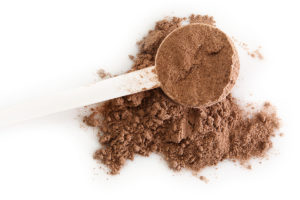
Creatine Beyond Strength Performance
Creatine is widely recognized for its role in improving strength and power, but emerging research suggests broader applications. Studies have explored its potential benefits for cognitive function, recovery and even…