

Personal Training

Mobility Training Misconceptions
Mobility is often treated as a separate component of training rather than integrated into it. This approach can limit its transfer to actual movement patterns. Improving mobility requires exposure to…

Hybrid Training Models
Combining strength and endurance training has gained traction among general population clients. Hybrid approaches can improve overall fitness but require careful programming to avoid interference effects. Balancing volume and intensity…
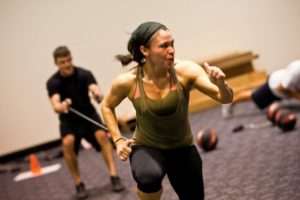
High-Intensity Interval Training Fatigue
HIIT remains popular due to its efficiency, but overuse can lead to fatigue and reduced performance. Clients often default to high intensity without balancing recovery demands. Not all sessions need…

Strength Training for Mental Health
Strength training is increasingly recognized for its role in improving mood and reducing symptoms of anxiety and depression. The mechanism is linked to both physiological and behavioral factors. Consistent training…

Exercise and the Brain: It Will Make You Want to Work Out
A plethora of scientific evidence clearly
depicts how regular aerobic exercise and resistance training can help to prevent and/or manage hypertension, coronary heart disease, stroke, type 2 diabetes,
osteoporosis, arthritis, stress, colon cancer, abnormal cholesterol levels and depression (Kravitz 2007). More recently, research on the favorable effects of exercise and brain function has been emerging.

The Hidden Emotional Load Fitness Professionals Carry
Fitness professionals are trained to design programs, cue movement and guide physical progress, yet much of the work that determines client success happens outside of sets and reps. Every session…

Strength Training Wearables Expand Beyond Cardio Tracking
Wearable technology is beginning to move beyond step counts and heart rate tracking into resistance training. New devices entering the market aim to measure repetitions, tempo, range of motion and…

Recovery Technology Moves from Passive Tracking to Active Intervention
Recovery tools are evolving from devices that monitor data to systems that attempt to influence recovery directly. New products combine compression, heat, light exposure and guided protocols designed to improve…

Fitness Trackers Still Show Gaps in Accuracy Compared to Clinical Tools
Despite rapid improvements, consumer fitness trackers continue to show variability when compared to clinical-grade measurement tools. Research highlights discrepancies in areas such as calorie expenditure, sleep staging and recovery metrics….

Hybrid Coaching Models Continue to Expand Across the Industry
The fitness industry continues to move toward hybrid coaching models that combine in-person sessions with digital programming and remote support. Advances in app-based platforms and communication tools have made it…

Velocity-Based Training Gains Traction Beyond Elite Athletes
Velocity-based training, once limited to high-performance environments, is becoming more accessible through new technology and coaching platforms. By measuring bar speed during lifts, this method provides real-time feedback on effort,…

AI Integration Is Reshaping Fitness Technology Ecosystems
Artificial intelligence is increasingly being integrated into fitness platforms, combining data from wearables, apps and training logs to generate recommendations. These systems aim to personalize programming, adjust training loads and…

Wearables Shift Toward Real-Time Coaching Feedback
Wearable devices are moving toward providing real-time feedback during training rather than post-session summaries. Features such as pacing alerts, recovery prompts and adaptive recommendations are becoming more common. This shift…
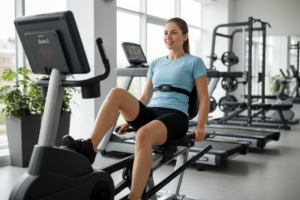
Zone 2 Training: Where It Works and Where It’s Overapplied
What Zone 2 Actually Represents Zone 2 training is often presented as a simple target, typically defined by heart rate ranges or conversational effort. In practice, those markers are approximations…

HRV Gains Popularity but Requires Long-Term Interpretation
Heart rate variability (HRV) continues to gain traction as a recovery and readiness metric, particularly among recreational athletes. Wearables now make HRV accessible to a broad audience, often presenting it…

Why Kids Drop Out of Sports and How Coaches Can Keep Them Engaged
The Dropout Problem Isn’t Random Youth sport participation rarely ends because of a single moment. It is more often the result of a series of experiences that gradually shift how a child feels about…

An AI Prompt-Writing Clinic for Fitness Professionals to Turn Blank Pages to Business Assets
Why Most AI Outputs Fall Flat AI tools are easy to access, but harder to use well. Most fitness professionals try them once or twice, get mixed results and move…

Aging Isn’t Linear: How Capacity Changes Across the Lifespan
Why the Linear Model Falls Short Aging is often framed as a steady, predictable decline. Strength decreases over time, recovery slows, performance tapers in a gradual, almost uniform way. It…

Testosterone Optimization in 2026 Focuses on Lifestyle Precision Over Quick Fixes
Interest in testosterone health has surged in recent years, but the conversation is shifting. Rather than focusing narrowly on supplements or quick fixes, current best practice emphasizes lifestyle-driven testosterone optimization….

The Case for Flexible Program Design
The Illusion of Control in Program Design Strength training culture has long prized precision. Percentage charts, loading tables, volume prescriptions and mesocycle templates offer the appearance of scientific certainty. A…