

Portion Control

Energy Deficiency in Active Adults
Energy deficiency is increasingly recognized beyond elite sport, affecting recreationally active adults who unintentionally underfuel relative to training, work, and life demands. Unlike overt dieting, energy deficiency can occur without…

Weight-Neutral Nutrition Conversations
Weight-neutral approaches emphasize health behaviors rather than scale outcomes, gaining traction as professionals seek more inclusive frameworks. This perspective shifts focus toward energy, strength, and function rather than weight change…

Food Tracking: How Much Is Enough?
Good news for on and off-trackers: a study in Obesity finds that compulsive food tracking is not needed to achieve meaningful weight loss.


Term of the Day: Protein Leverage Hypothesis
The protein leverage hypothesis says that we are naturally driven to seek out protein and keep eating until our daily protein needs are met.

Passive Overeating
A watershed study challenges the common view that people are prone to mindlessly overeating high-energy foods.

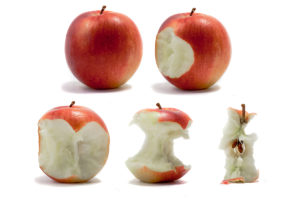
A “Whole” Apple a Day
British food scientists founds that eating whole apples results in slower digestion rates as well as increased feelings of fullness and satiety.

An App to Help Kids Eat Better
Weight Watchers, now rebranded as WW®, recently launched Kurbo, a new weight-loss app aimed at ages 8–17. Among the weight- and diet-focused elements of the Kurbo app is a traffic-light system that indicates which foods kids can freely enjoy and which they should limit. For example, an apple gets a green light, and soda gets a red light.
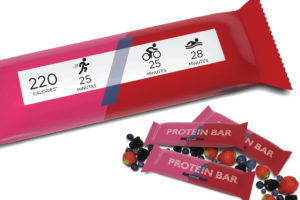
The New Label Lingo?
Here’s a novel idea to help people trim down their calorie intake: Tell them how many miles they’ll have to run to burn off that chocolate bar or slice of pizza.