

Mind-Body / Recovery
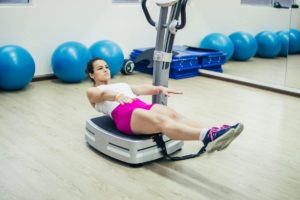
Recovery Technology Moves from Passive Tracking to Active Intervention
Recovery tools are evolving from devices that monitor data to systems that attempt to influence recovery directly. New products combine compression, heat, light exposure and guided protocols designed to improve…

Short Recovery Interventions Show Measurable Impact on Next-Day Performance
Recent research suggests that even brief post-exercise recovery interventions may influence next-day performance markers. Low-intensity cycling, mobility work and similar strategies have been shown to support circulation and reduce perceived…

Fitness Industry Expands Focus on Recovery as a Core Offering
Recovery is no longer positioned as an add-on. Many fitness facilities are now integrating recovery services directly into their offerings, from guided mobility sessions to access to recovery tools and…
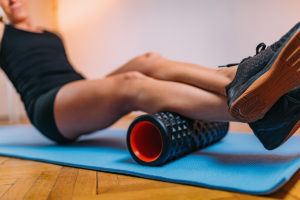
Hack vs Hype: Is Stacking Your Recovery Methods Strategic Integration or Expensive Redundancy?
Why “Stacking” Has Become Popular Recovery has become its own category. What used to revolve around sleep, nutrition and basic rest now includes a growing list of tools, devices and…

Why Coaches Need to Understand Client Stress
Stress Is Now a Coaching Issue For many clients, exercise does not occur in isolation. Training sessions exist within a broader context that includes work schedules, family responsibilities, sleep patterns,…

The Science of Calming Down
Why Stress Persists in Modern Life Stress is not a modern invention. The human stress response evolved as a survival mechanism that prepares the body to react quickly to threats….

Cold Exposure “Lite” using Small Doses for Big Recovery Benefits
Cold therapy has long been associated with extreme ice baths, but a more accessible trend is gaining traction: “cold exposure lite.” Instead of committing to full-body immersion, fitness enthusiasts are…

Smarter Carbs: The Shift to Low-Glycemic, High-Fiber Choices
Carbohydrates are no longer the enemy—but the type of carbs you choose matters more than ever. A growing nutrition trend is the shift toward low-glycemic, high-fiber carbohydrate sources like lentils,…

Fueling for Participation
Fitness professionals frequently encounter a familiar pattern. A client begins an exercise program with enthusiasm, trains consistently for several weeks, then gradually reports fatigue, persistent soreness, irritability, or declining motivation….

Ultra-Processed Foods and Mental Health Associations
Emerging nutritional epidemiology continues to explore the relationship between ultra-processed food intake and mental health outcomes. Recent systematic reviews report associations between higher consumption of ultra-processed foods and increased risk…

Social Isolation and Physical Activity Decline
Recent public health research continues to document a bidirectional relationship between social isolation and physical inactivity. Large-scale cohort studies report that individuals experiencing higher levels of loneliness demonstrate lower weekly…

Cold Exposure: Recovery Aid or Adaptation Interference?
Cold water immersion and cold exposure protocols remain popular in both recreational and elite settings. Recent analyses suggest that while acute inflammation and perceived soreness may decrease following cold exposure,…

Energy Availability Beyond Elite Athletes
Low energy availability has long been studied in elite endurance athletes, but recent research suggests the concept extends well beyond high-performance sport. Recreational exercisers, particularly women balancing training, work, and…

Recovery Bandwidth of the Modern Client
The Illusion of Muscular Recovery In fitness culture, recovery is often evaluated through a narrow lens. Clients report whether they are sore. Coaches assess whether a muscle group has had…

Mentorship Matters
Mentorship Matters! It’s not just a “nice” phrase. And it’s not just a “nice” circumstance to have as a new fitness professional launches their career or as a veteran trainer embarks on…

The 2026 Outlook: Why Science is the Ultimate Trend
If 2025 was the year of disruption, 2026 is the year of integration. For decades, we have operated in the “Gym Industry.” It was a world defined by aesthetics, transformation…

When Training Stops Helping
Training stress is necessary for adaptation, but adaptation does not occur simply because stress is applied. It occurs when stress is balanced with sufficient recovery over time. When this balance…

Credential Saturation in Fitness
Credential proliferation continues as the industry grows, leading consumers to face an array of certifications and specializations. This saturation highlights the need for professionals to articulate not just credentials held,…

Recovery as a Differentiator
Recovery is increasingly positioned as a defining feature of high-quality coaching rather than an optional add-on. Clients are more aware of fatigue, burnout, and sustainability, leading to greater interest in…

Anxiety, Emotional Regulation and Exercise
Physical activity is often discussed as a tool for stress relief, mood enhancement, and mental well-being. In popular narratives, exercise is sometimes framed as a direct antidote to anxiety, with…