
Safety

Muscle Cramps? Find Out Why
Muscle cramps can stop athletes in their tracks. Although they usually self-extinguish within seconds or minutes, the abrupt, harsh, involuntary muscle contractions can cause mild-to-severe agony and immobility, often accompanied by knotting of the affected muscle (Minetto et al. 2013). And cramps are common; 50%–60% of healthy people suffer muscle cramps during exercise, sleep or pregnancy or after vigorous physical exertion (Giuriato et al. 2018).

Indoor Cycling: Safe for Prenatal?
You’re helping participants get set up on their bikes in your 6 p.m. cycling class when someone taps you lightly on the shoulder: Is it okay to ride if she’s pregnant? To your knowledge, you’ve never had a pregnant participant in class, and you don’t know how to respond.

Exploring Exercise Recovery Options
When it comes to balancing your training program, your mindset should be, “Tomorrow’s workout begins with your recovery from today’s.” Exercise recovery heals the pounding, twisting and tearing of physical activity. A well-thought-out strategy for recovery is becoming ever more crucial with the rising popularity of high-intensity workouts featuring barbells, kettlebells, heavy medicine balls, explosive plyometrics and anaerobic interval training.

The Fourth Trimester: Postpartum Exercise
It’s not over in 9 months. A new mother’s body keeps changing long after the baby arrives. Hormonal shifts, breastfeeding and risks like pelvic organ prolapse (see “3 Issues for Postpartum Exercisers,” below) complicate the weeks and months after childbirth.

Self-Massage Techniques for Exercise Recovery
As a fitness pro, you no doubt value the restorative properties of professional massage. However, finding time for a massage may sometimes be difficult. That’s why it’s helpful to use self-care massage tools for preventing or treating pain or imbalances in the body. While these tools don’t provide “massage” as such (and can’t replace a professional therapist), the best ones offer some of the same benefits.

How to Improve Tennis Performance
Tennis is one of the most popular sports in the world. In the U.S. alone, there are almost 18 million players, with another 14 million expressing interest (TIA 2018). Unfortunately, the dynamic, forceful twists and turns of the game pose ever-present injury risks to players (Roetert & Kovacs 2011).

Poultry and Salmonella Risk
The most recent recall of romaine lettuce linked to an outbreak of dangerous E. coli O157:H7 drives home the reality of weak links in our food production chain. That includes numerous chicken slaughterhouses, the USDA reports. The agency found that a concerning number of poultry processors audited from October 29, 2017, to October 27, 2018, flunked the salmonella performance standard for handling chicken parts, such as breast meat.

Ask the RD: Why Is Lettuce Linked With E. Coli?
QUESTION
I keep hearing about people getting E. coli from lettuce. I thought E. coli came from beef. Can you explain what E. coli is and why lettuce is a problem?

More Paths to Exercise Recovery
When it comes to balancing your training program, your mindset should be, “Tomorrow’s workout begins with your recovery from today’s.” Recovery heals the pounding, twisting and tearing of physical activity. A well-thought-out strategy for recovery is becoming ever more crucial with the rising popularity of high-intensity workouts featuring barbells, kettlebells, heavy medicine balls, explosive plyometrics and anaerobic interval training.

Ask The RD: E. coli and Lettuce?
QUESTION: I keep hearing about people getting E. coli from lettuce. I thought E. coli came from beef. Can you explain what E. coli is and why lettuce is a problem?

Sitting Is Not the New Smoking
The evidence is definitive. Risks of smoking far outweigh the health dangers of a sedentary lifestyle. It’s important to raise awareness of the hazards of inactivity, but distorted information about risks of behavioral choices can confuse the public. “The simple fact is, smoking is one of the greatest public health disasters of the past century. Sitting is not, and you can’t really compare the two,” said study author Terry Boyle, PhD, an epidemiologist at the University of South Australia, Adelaide.

Pilates and Fall Prevention
As many as one-third of all adults over 65 years old fall each year, with consequences that include serious injury, limited activity and significant costs. Researchers at California State University, Northridge, conducted a study that shows that Pilates reformer training—as little as once per week—can effectively reduce these risks.
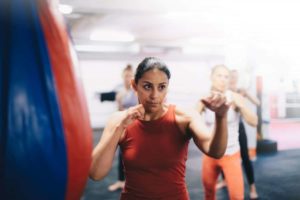
Kickboxing Safety: Back to Basics
Kickboxing classes may not be as popular today as they were in the late 1990s, but people still love to hone their skills with this effective cross-training option. Whether you’ve been teaching for several years or you’re just getting started, it’s always a good idea to review the foundational concepts that make up this total-body workout.

Snowboarding: Injury Prevention & Performance
Over the past few decades, snowboarding has quickly become one of the fastest-evolving and most popular winter season sports. The impressive combination of power, velocity and technique make this activity appealing to both recreational riders and high-level competitors. But speed, terrain, gravity and the unique snowboard stance also create the potential for injury.
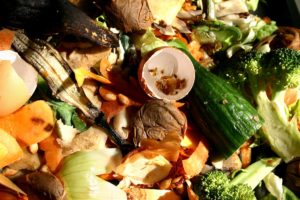
Are Healthy Eaters Wasteful?
Eating a diet based on whole foods deserves a thumbs-up. What’s hard to swallow, however, is that doing so might contribute to the heaps of food wasted in the United States.

An Eye on Vision Health
When it comes to muscles, we rarely think about our eyes, and yet the eye is the fastest and most active muscle in the human body (VSP 2018). We say “in the blink of an eye” for a reason! While you probably don’t program “eye lifts” into your strength training routines, exercise does support healthy vision. Read on to find out more about the benefits, along with a few fun facts you can share with clients to further inspire them to keep moving.

The Case Against Allowing Injured Instructors to Teach
Owing to the part-time nature of most group fitness instruction jobs, program directors don’t always interact with staff on a daily basis and may not know that an instructor is teaching while injured.

Walking Speed: A Predictor of Functional Health
Slow walking speed has been linked to a greater risk of mortality in older adults, while brisk walking has been linked to better health.

Programming to Prevent ACL Injury
Your new client, 16-year-old Alexis, is a competitive athlete who wants you to design a fitness program that will help her prevent a second anterior cruciate ligament (ACL) tear. She partially tore her ACL while playing soccer and rehabbed it with a physical therapist, who cleared her to play again. Alexis returned to spring softball without an issue, but she would like to be as fully prepared as possible for the upcoming fall soccer season. She hopes to be recruited to play in college, but her parents are concerned she will sustain another ACL injury, perhaps a more severe one.

The Achilles Tendon
Many fitness professionals have dealt with an Achilles tendon injury, either their own or a client’s. The largest and strongest tendon in the body, the Achilles connects the lower-leg muscles and calf to the heel. “Synchronous functioning” of the tendon and calf is crucial for many activities, including standing on tiptoe, running, jumping and climbing stairs (Bhimji 2016).
Dutch surgeon Philip Verheyen named the tendon (after the Greek hero Achilles) in 1693. Previously, it was known as “tendo magnus of Hippocrates” (van Dijk 2011).