

Injury / Injury Prevention
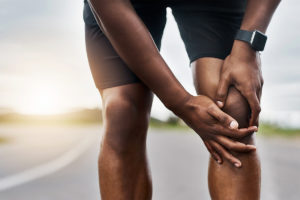
Gait Retraining May Reduce Risk of “Runner’s Knee”
New insight on whether “runner’s knee” may be preventable can help you support clients who are struggling with this condition.

Eccentric Training Lacks Uniform Strategies
Chances are you’re using eccentric training to improve muscular strength and power, and build lean mass. But are you measuring its effectiveness?

Sprained Ankles, Plantar Fasciitis & Bruises Can All Benefit From a Few Herbs
When you pull or strain a ligament or mash/stretch or damage a tendon, you often get micro-tears in the tissue, which will require collagen repair.
Power Up Your Aging Clients
With a tailored regimen that includes muscular power training, adults can keep their bodies fit and functional well into their later years.

Exercises for Snowboarding
Catherine Logan, MD, MBA, MSPT, orthopaedic surgeon and former personal trainer and physical therapist, gives suggestions on how to prepare for the season.

Preventing Hamstring Injuries
Hamstring injuries are frequent and costly for professional soccer players and important for all active people to avoid. Medical professionals with the International Federation of Association Football (FIFA) developed an injury prevention program that blends evidence-based methods and practical considerations. It emphasizes the need for individualized training that targets an athlete’s specific risk factors, based on ongoing screening and monitoring.
Impact of Training Through Pain
If your clients need more evidence that training while injured can be detrimental, new research suggests that the adverse effects on movement quality can linger even after an injury has fully healed.
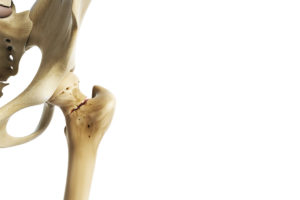
Hip Fracture Risks and Postmenopausal Women
Hip fractures have serious consequences, including an increased risk of death within the first year following the accident. Findings from a recent study offer good news on the benefits of physical activity for postmenopausal women.

What Is the Cause of Muscle Cramps?
Muscle cramps can stop athletes in their tracks. Although they usually self-extinguish within seconds or minutes, the abrupt, harsh, involuntary muscle contractions can cause mild-to-severe agony and immobility, often accompanied by knotting of the affected muscle (Minetto et al. 2013). And cramps are common; 50%–60% of healthy people suffer muscle cramps during exercise, sleep or pregnancy or after vigorous physical exertion (Giuriato et al. 2018).

High-Volume, High-Intensity Exercise Is Safe for Men
No need for concern about increased death risk from heart disease among experienced middle-aged exercisers who engage in high-intensity activity, at least if they’re male. Findings from a 10-year study of 21,758 generally healthy, very active men—like marathon runners, cyclists and swimmers—showed that even for those with higher coronary-artery calcium levels, athletic pursuits did not elevate risk of death.

Overcoming Pain to Stay in the Fitness Game
More and more people choose exercising at gyms and studios to stay healthy. The trend is occurring across the age spectrum, from baby boomers to millennials. Americans choose the convenience, expertise, and comradery found at gyms and studios to stay at their fitness best.

Maternal Weight and Pregnancy Complications
Encourage your pregnant clients (if cleared by their doctors) to keep working out with you. A new study shows that maintaining a healthy weight before and during pregnancy is a key factor in avoiding pregnancy complications.

Having the Bone Health Talk With Clients
Clients may ask you about calories or how to “tone,” but how often do they ask questions about bone health and osteoporosis? If clients aren’t asking these questions, they should: 54 million adult Americans are at risk of breaking a bone (NOF 2019a). You probably already know that people who have osteoporosis should do weight-bearing exercises to slow the degradation and ease the effects. However, most people are given no more explanation than that. You may be in a position to offer answers to some of your clients’ questions.

Muscle Cramps? Find Out Why
Muscle cramps can stop athletes in their tracks. Although they usually self-extinguish within seconds or minutes, the abrupt, harsh, involuntary muscle contractions can cause mild-to-severe agony and immobility, often accompanied by knotting of the affected muscle (Minetto et al. 2013). And cramps are common; 50%–60% of healthy people suffer muscle cramps during exercise, sleep or pregnancy or after vigorous physical exertion (Giuriato et al. 2018).

Alternative Pain Relief by Incrediwear
How much do you think your clients spend on pain relief? It’s a rhetorical question, but statistics show that the annual cost of healthcare due to pain ranges from $560 billion to $635 billion in 2010. This is in the United States alone, which combines the economic and medical costs to disability days, lost wages, and productivity.

2019 IDEA® World Convention: Igniting Passion With Purpose!
Purpose, passion and people! The fitness industry is all about forging relationships that lift others up. Fitness professionals have energy to spare, and they are dedicated to mentoring new generations of pros, networking with peers, and motivating clients and participants every day.

Warmups to Get Wrist-Ready!
Body-weight training remains popular because it improves functional strength and is really accessible—it requires no equipment and can occur anywhere. For various reasons, however, many participants can’t handle the load that body-weight training places on the wrists. While you can certainly offer plenty of modifications, such as doing pushups from the knees, why not focus on preparing the wrists during the warmup?

Exploring Exercise Recovery Options
When it comes to balancing your training program, your mindset should be, “Tomorrow’s workout begins with your recovery from today’s.” Exercise recovery heals the pounding, twisting and tearing of physical activity. A well-thought-out strategy for recovery is becoming ever more crucial with the rising popularity of high-intensity workouts featuring barbells, kettlebells, heavy medicine balls, explosive plyometrics and anaerobic interval training.

Exercise and Pain: Teaching Clients to Follow the Signs
Until recently pain has been thought to be an indicator of the amount of tissue injury present in the body. The belief is that a high amount of pain equates to a serious injury, and a small amount of pain equates to a minor injury. However, through extensive research, we now know that pain has surprisingly little correlation to the amount of tissue damage present. For example, it’s estimated that 40% of people without any low back pain have at least one “bulging” disc on a lumbar spine MRI.

Variable Resistance Training With Deadshifts and Deadlifts
It’s 2 a.m. Your 3-month-old son is screaming at the top of his tiny lungs, waking up everyone in the household. Begrudgingly, you get out of bed and zombie-walk over to your son’s crib in the next room. Your body aches, you haven’t slept in days, and now you must bend over to pick up a squirming child in the dead of night. Unfortunately, your son’s not a great strength coach and doesn’t allot enough warmup time to prepare your body for a deadlift.