
Continuing Education/Articles

Low-Impact Cardio Helps Expectant Moms
New findings show that doing low-impact cardio at least three times per week in the second trimester of pregnancy can help sleep.
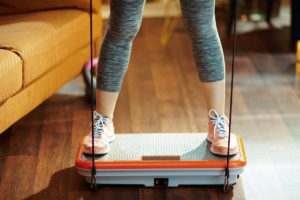
Vibration Training Improves Strength in Stroke Survivors
Fitness professionals who incorporate vibration training into their programs may have value for those coping with stroke.

Fitness Levels Predict Less-Severe COVID-19
Higher cardiorespiratory fitness levels correlate to a lower risk of hospitalization for those who get COVID-19, according to a study.
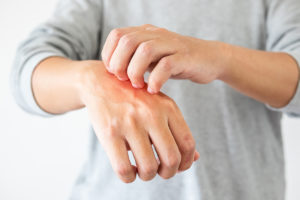
The Psoriasis-Fitness Connection
Young men with the lowest fitness levels had a 35% higher risk of developing psoriasis than those with the highest fitness levels.
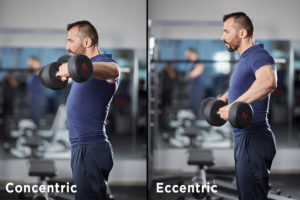
5 Eccentric-Training Controversies, Resolved
This column will review the results of several investigative studies on controversial topics related to eccentric training.
Create a Sustainable Career to Last a Lifetime
Honing your skillset through continuing education opportunities will allow you to better provide clients with safe and innovative training opportunities. When equipped with a toolbox full of experience and education, you are better prepared to create a sustainable career.
Does Exercise Suppress the Immune System?
Have you heard the claims that strenuous exercise can suppress the immune system and increase infection risk?

Plyometric Jump Training and Volleyball
In volleyball training programs, low-volume plyometric protocols can be as effective as high-volume methods and have less injury risk.
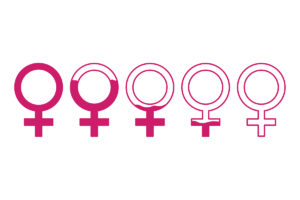
Optimizing Women’s Strength Training
A new research review sheds light on how monthly hormonal changes influence the risk of muscle damage during female weight lifting.
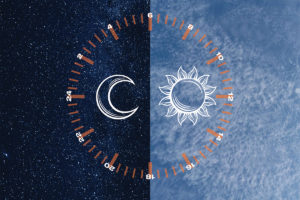
Does Time of Day Affect Training?
Does time of day influence exercise performance? An international group of researchers reviewed 66 studies on maximal exercise and time of day.

Resistance Training Tips to Minimize Infection Risks
Tips on how to use safety measures to adapt resistance training to meet new logistical and health challenges during the pandemic.
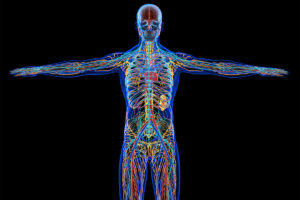
Inflammation: Obesity, Diabetes, Aging and Exercise
Inflammation is an essential defense system for enhancing survival. Learn how the inflammation process is linked to obesity, diabetes, aging and exercise.
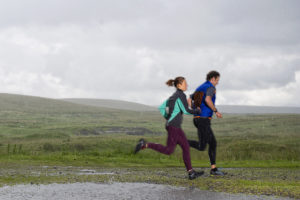
Running and Mental Health
“Running has important positive implications for mental health, particularly depression and anxiety disorders,” note authors of a comprehensive study.
Get Your Sleep Before a Big Game
College athletes who skimp on sleep may be increasing their risk for injury, according to a small study by University of Wisconsin-Madison researchers.

Effects of Aging on the Neuromuscular System
Most people think of the “baby boom” as a huge uptick in the birthrate following World War II, and while that’s true, here’s another view: By the end of 2030, all baby boomers will be over the age of 65 (United States Census Bureau 2018), resulting in a “senior boom.” As this shift occurs, it’s increasingly likely that fitness professionals will need to work with people who are experiencing normal age-related physiological changes. Understanding how these changes impact seniors is essential for trainers and instructors wanting to best serve this population’s unique needs.

Fitness Helps Kids Who Need It Most
New evidence supports the value of physical education programs for kids, not only for physical health, but also for cognitive health.
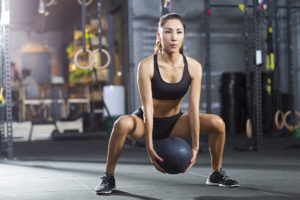
5 Resistance Training Workouts That Improve VO2max
The relationship between maximal oxygen consumption (VO2max) and cardiometabolic health is well-defined—resistance training can help.
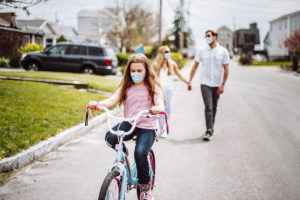
Physically Active Working Moms Cope Better
Data showed an association between moderate-intensity physical activity and higher levels of life satisfaction during the pandemic for working moms.

WHO’s New Message on Physical Activity
Do your motivational messages incorporate the latest evidence-based practices on how to support behavioral change in your more sedentary clients?
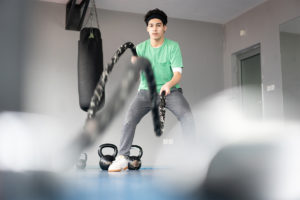
HIIT Back on Sleep Loss Effects
High-intensity interval training prevents impairments in glucose tolerance, among other negative effects, from a short period of sleep restriction.