

General Health

Moderate-to-Vigorous Physical Activity for Best Fitness
New data shows that even short bouts of moderate-to-vigorous physical activity lead to higher levels of cardiorespiratory fitness.
Health Education for Former Elite Athletes
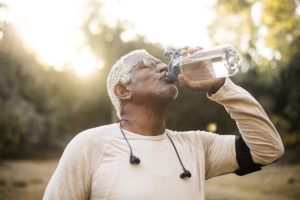
Providing health education about the benefits of exercise, good eating habits and other “well-living” parameters can help former athletes.

Physical Activity Helps Chemotherapy Side Effects
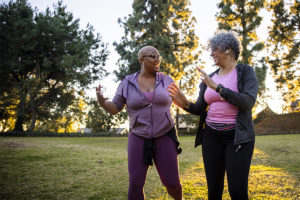
People coping with cancer treatment are often saddled with one of the chemotherapy side effects called “chemo brain.” Can exercise help?

Is the “Freshman 15” Weight Gain a Given?
A study showed that neither meal plan status nor campus residence predicted the freshman 15 weight gain—only lack of vigorous activity.

Sports and Mental Health Challenges
A statement issued by the American College of Sports Medicine notes key challenges related to sports and mental health.
Reducing Opioid Abuse: Motion Is Lotion
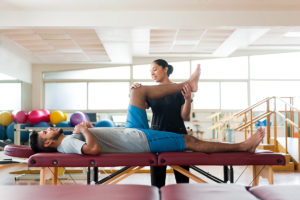
Researchers have created a model of care for physical therapy students to implement movement interventions to reduce opioid abuse and misuse.
IMST Breathing for Cardiovascular Health
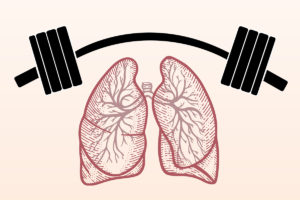
Evidence shows the breathing practice, High-Resistance Inspiratory Muscle Strength Training (IMST), benefits cardiovascular health.
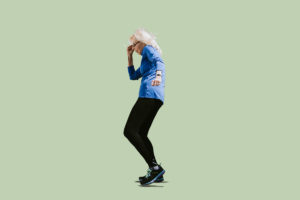
Benefits of Brisk Walking for the Brain
In a study on the benefits of brisk walking, researchers found that aerobic exercise can improve the integrity of connective brain tissue.

Iron Levels for Athletic Performance
Endurance athletes with naturally higher iron levels may enjoy a competitive advantage because of the boost to their oxygen capacity.

Stress Physiology
We all intuitively understand the growing and widespread impact of stress on mental health, but stress physiology is just as deleterious.
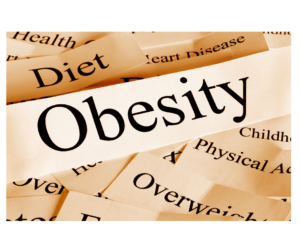
What is Diabesity?
Diabesity is a common cause of chronic inflammation, so it’s important for fit pros to have a basic understanding of what it is and how it can affect clients. Here, Len Kravitz, PhD, Gabriella Bellissimo, MA and Jessica Smith, MS, CSCS, explain this relatively new term.

Training Clients with Hearing Loss
Effectively training clients requires us to listen to their needs, but equally important is the knowledge that they can hear you clearly. And then consider those whose hearing loss may make them feel excluded from the fitness world.

Exercise and Sleep
Physical activity can mitigate the risk from poor sleep. This insight on exercise and sleep is according to new research findings.

Childhood Exercise and Brain Development
Here’s another research-backed link between exercise and brain development for parents who don’t yet prioritize their children’s playtime.
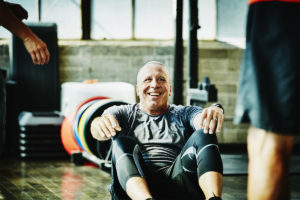
Fitness Now, Lower Healthcare Costs Later
When promoting the value of regular exercise, consider sharing the bank account benefits from lower healthcare costs in the golden years.
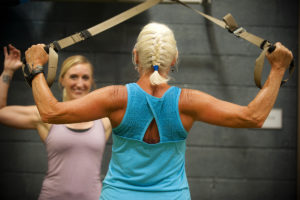
The Best Exercises for Menopause and Postmenopause
What are the best exercises for menopause? A combo of aerobic and strength training seem to be the most effective exercise program.

New Risks of Steroids
Researchers revealed more risks of steroids, finding that using anabolic androgenic steroid over time accelerates brain aging.

How Many Steps a Day? 4,500!
How many steps a day does it take to stay healthy? This study found that 4,500 steps per day produced healthy results for longevity.
Hearing Loss and Physical Function
Research finds that people with hearing loss have significantly poorer physical function over time compared with those with good hearing.