

Exercise
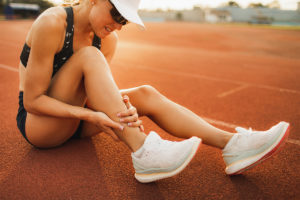
Women’s Sports Injuries
To address the gender gap in sports rehab, researchers created an overview of common women’s sports injuries and guidelines for rehab.

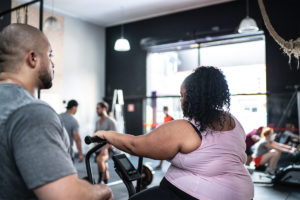
Exercise for Diabetes
To help those who manage diabetes, and the fit pros who train them, the ACSM issued updated guidelines on exercise for diabetes.
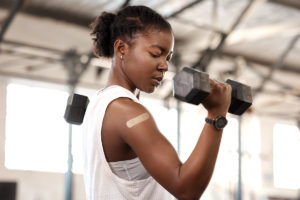
Exercise After Vaccinations?
A study found that 90 minutes of mild- to moderate-intensity exercise after vaccinations increases the body’s antibody response.
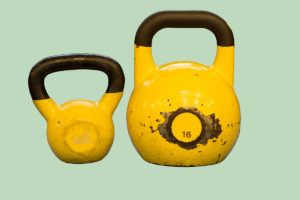
Training Volume: Low Load Versus High Load
A new study provides insight into whether to go heavy with fewer reps or to go lighter for more training volume if the goal is muscle growth.

Engaging in Youth Fitness
Now is the time to focus on developing new means of professional direction and income, and youth fitness is a worthy consideration.

What’s the Best Time to Exercise?
Do clients ask you about the best time to exercise? Studies show that people glean various health benefits at different times of the day.
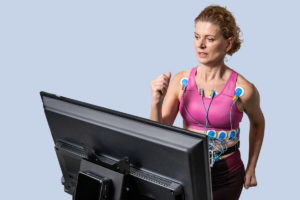
Exercise and Chronic Medical Conditions
Clear guidelines that connect specific types and amounts of exercise and particular chronic medical conditions are not available.
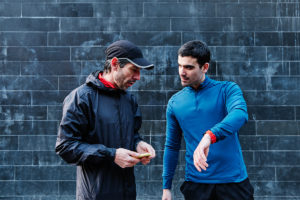
Using Heart Rate Variability to Maximize Performance
Can fitness professionals use heart rate variability data to help clients fine-tune their workouts and their all-important recovery?
Resilience From Exercise Competency
Research shows that feelings of competence may facilitate an individual’s ability to optimize the resilience gained from physical activity.
Exercise, Adolescents and Depression
The pandemic was challenging for adolescents with depression, with girls at greater risk for both depression and anxiety than boys.

Pilates Benefits for Older Adults
Mat Pilates benefits for older adults included improved functional mobility, mobility, gait, balance and physical activity.

Micro Workouts Still Beneficial
Study findings underscore that any intentional effort toward creating a more active lifestyle is beneficial, including micro workouts.

Longevity and Strength Training
People who did 30–60 minutes of resistance training per week had increased longevity with a 10%–20% lower risk of early death.

Why Being Sedentary Makes Exercise Harder
Being sedentary or inactive may deactivate a protein in the body that plays a critical role in maintaining capillary density.

How Many Steps Per Day for a Longer Life?
If you’re over 60, studies suggest that 6,000–8,000 steps per day will reduce risks of early death and increase longevity.
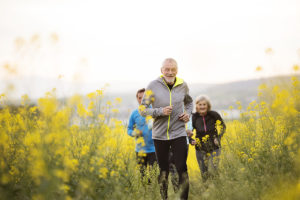
Alzheimer’s Disease and Fitness
Small increases in fitness are linked with a lower risk of Alzheimer’s disease, according to a longitudinal study with 649,605 veterans.
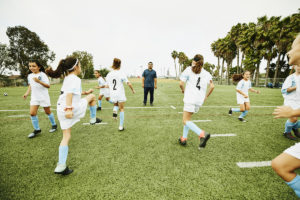
The Best Youth Soccer Warmup
When determining what kind of warmup is best for the youth soccer teams you coach, take a cue from recent research.

Run Pacing and Gender
Gender does not alter run pacing strategy in world-record–breaking events at championship and meet races, according to a study.
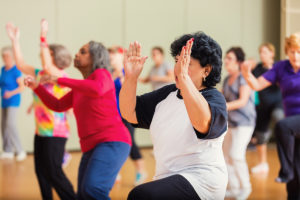
Light-Intensity Aerobic Dance a Win for Older Adults
To help older adult clients move more, promote fun activities like aerobic dance classes, since even one session improves cognitive function.