

Communication

Mental Toughness Techniques for Peak Performance
Why is it that athletes and fitness enthusiasts with the same physical
strength, technical skills, equipment and nutrition perform differently
and achieve different results? When all else is equal, top performers
have a specifically designed mindset that allows them to show up when
they’d rather not, endure intense training, rest when needed, cope with
enormous pressure, and commit 100% to giving every ounce of effort they
have.

How To Work With Teen Athletes
Working with a group of teen athletes can be a frustrating experience—but it doesn’t have to be. Justin Russ, CSCS, a strength and conditioning coach at IMG Academy in Bradenton, Florida, offers his top insights on successful team training:
Set the tone. Establish expectations and procedures early. Be sure the teens are aware that you are the coach and they are the athletes, and their job is to listen to what you say.

How to Deal With Class Cliques
High school may have felt like the toughest time in your life. Navigating the social cliques was mentally draining and often confusing. After graduation, you hoped all that was behind you; however, fast-forward to modern-day group fitness studios and you may find yourself reliving some of your worst nightmares. While the drama may not be as intense, there are still situations that require delicate handling.

“What’s the Best Piece of Fitness Industry Advice You’ve Ever Received?”
The best fitness advice that I have received is: Don’t be afraid to be creative. I was nearing the end of my education in the fitness field. The advice was just what I needed before returning to my hometown to start training a full client list. I was at a “hands-on” retreat to get practical experi- ence in training.

Attentional Focus & Cuing
Nod if these scenarios seem familiar:
You give your client well-articulated instructions and get a blank stare followed by, “So what do you want me to do?”?
You give your client a series of cues, but the client’s movements actually get worse because your point is misunderstood.
You have a successful training session one week where the client really seems to click with everything you are saying, but the next week it is as though your coaching had dissolved and the client is right back to those inefficient movements.

Programs to Track Your Finances
As a personal training business owner, you’ve got a lot on your to-do list. Atop that list is making sure your finances are organized and accounted for. These programs can help you do just that.

Communication Skills of the Successful Personal Trainer
Client communications helps to gain trust and produce results. Learn simple strategies to improve communication and guide clients toward sustainable forms of success.

Cycling Class Etiquette
A cycling instructor wears many hats: coach, trainer, motivator and mentor. But one title many of us would happily relinquish is “enforcer.” It’s never a pleasant job to police workout etiquette. From time to time, though, situations arise that must be dealt with. Knowing what to do, or at the very least knowing how to respond, can make tricky cycling studio dilemmas less uncomfortable and easier to manage. Here are effective responses to some sticky situations.

Lessons From the Trenches, Part One: The Leader Within
Many fitness professionals aspire to take their careers to the next level. Whether the goal is to become a better personal trainer or coach or to become the chief operating officer of a large fitness chain, great leadership is the underlying theme.

How to Cope With Change
Change is inevitable. Organizations restructure, fitness facility ownership turns over and managers come and go. Although change can be positive, for many people the mere thought of it breeds anxiety and fear. During times of job stress, productivity declines; in addition, the rumor mill ramps up, morale may deteriorate and valued employees may look for other opportunities. As a manager, you are responsible for guiding employees through these potentially difficult times.

Social Media Love
Diving Deeper Into the Affordable Care Act
The article by Natalie Digate Muth, MD, MPH, RD, FAAP, on components of the Affordable Care Act was informative and valuable [“10 Things Fitness Pros Need to Know About the Affordable Care Act,” November–December 2014]. A few additional considerations for fitness professionals entail working with physicians and insurance providers.

“What website, e-newsletter or other health resource do you recommend to your clients, and why?”
Before my studio opened, I worked out at home and I needed guidance and structure. In searching the Web, I stumbled on FitnessBlender.com. I have never stopped using it or endorsing it! The site’s owners are people with strong, diverse fitness backgrounds. Their workouts are varied and well put together. You can find information on whatever your body needs that day, from Pilates and yoga to HIIT to total strength exercises. The site has tons of options for length and levels of workouts.

Stepping Out of Fitness Reductionism
It’s 11:00 pm and cold outside. Mary taps her wrist and sees she is 1,000 steps short of her daily goal. For the last month she has been diligent about hitting her daily activity target. Even though her knee hurts and her body feels drained, she puts on warm clothes and goes for a late-night stroll around her neighborhood.

College Students Benefit From Nudges
Do you work with college students? Perhaps adding “nudges” to your training toolbox can improve their health habits.

“How do you create professional boundaries with your clients?”
One of the ways that I establish pro- fessional boundaries is by keeping the training sessions about the clients. When they ask, “And how are you?” I answer with a genuine “Great!” and leave the conversation at that.

Social Media and “Weight Talk”
The Internet offers plenty of opportunity to share helpful, positive content. However, it’s also a hotbed of negativity, especially when it comes to discussions on weight.
A study facilitated by researchers at the National Institutes of Health in Rockville, Maryland, wanted to understand the types of conversations that are taking place on this subject. Using a commercial Web-crawling tool, the investigators explored popular social media sites and pulled posts that included fat, obese/obesity and/or overweight. The process lasted 60 days and culminated in 1.37 million posts.

How to Improve Function in Obese Adults
Mobility can be an issue for adults with obesity, and exercise can help. But is there a preferred method for improving functional capacity in this population? Researchers may have the answer.

How to Take the Stress Out of Performance Reviews
It’s annual review time again, and you feel the tension in the group fitness studio. Regardless of experience level, instructors tend to become anxious around “judgment day.” It’s a nerve-racking experience to have a supervisor watching your every move and jotting down notes.
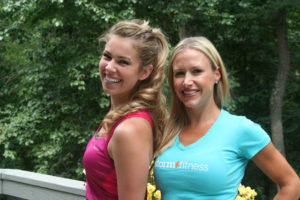
Foundations of New-Client Training
Knowing the client. When Jessica Storm, owner of Storm Fitness, meets with a new client, the assessment process begins immediately—often without the client realizing it. Storm first assesses emotional readiness. “You need to know where clients are starting from and get a clear understanding of how they could be motivated so that you can guide them in the appropriate direction,” she explains. Storm conducts this assessment through casual conversation—usually via telephone initially and in the first in-person meeting.

How do you establish relationships with and get referrals from medical professionals?
In a recent “Tricks of the Trade” column, IDEA asked some of its members how they establish relationships with and get referrals from medical professionals. Here are a few of their answers. How do you establish relationships with and get referrals from medical professionals? Share your answers in the comment box below.