
Fitness Trackers Still Show Gaps in Accuracy Compared to Clinical Tools
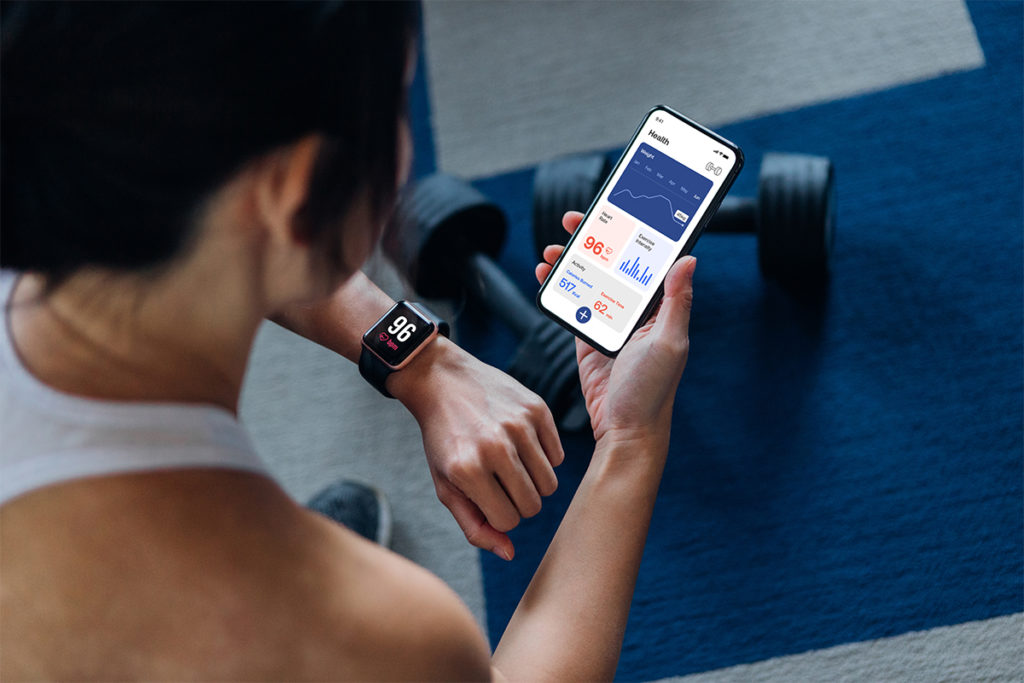

Despite rapid improvements, consumer fitness trackers continue to show variability when compared to clinical-grade measurement tools. Research highlights discrepancies in areas such as calorie expenditure, sleep staging and recovery metrics. While these devices provide useful trends, their precision can vary depending on the metric being measured and the individual using them.
This gap matters when clients treat wearable data as exact rather than directional. Overreliance on imperfect data can lead to unnecessary adjustments in training or recovery strategies. For fitness professionals, the value of wearables lies in identifying patterns over time rather than chasing daily numbers. Interpreting data within context remains more important than the data itself.