

Equipment – Personal Training

Fueling for Participation
Fitness professionals frequently encounter a familiar pattern. A client begins an exercise program with enthusiasm, trains consistently for several weeks, then gradually reports fatigue, persistent soreness, irritability, or declining motivation….

Ultra-Processed Foods and Mental Health Associations
Emerging nutritional epidemiology continues to explore the relationship between ultra-processed food intake and mental health outcomes. Recent systematic reviews report associations between higher consumption of ultra-processed foods and increased risk…

Energy Availability Beyond Elite Athletes
Low energy availability has long been studied in elite endurance athletes, but recent research suggests the concept extends well beyond high-performance sport. Recreational exercisers, particularly women balancing training, work, and…

Strength, Balance and Fall Risk
Falls are often framed as an inevitable consequence of aging. In reality, fall risk reflects a convergence of modifiable and non-modifiable factors, many of which sit squarely within the influence…

Wearables Still Shape How Fitness Is Delivered
Wearable technology continues to top trend forecasts, including the 2025 ACSM survey, but the conversation is shifting. As data access expands, attention is turning toward interpretation and application, reinforcing the…
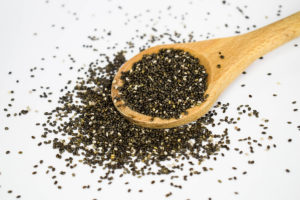
Buy or Bye: Chia Seed
Infamously hawked as a novelty product to the tune of Ch-ch-ch-chia!, chia seeds have experienced a renaissance as a functional food. The diminutive seeds of the Salvia hispanica plant, native…

People May Not Be Following the Diets They Say They Are
Research shows that low-carb eating might not be so low-carb after all. If any of your clients tells you they are diligently following a specific diet you are justified in…

Study Finds Adding Heat to Meals May Reduce Food Intake
Hot sauce might be the slimming condiment. Spicy food might make us perspire and flush, but it could also help some people eat more slowly and avoid overeating. This according…

As things get hotter, Americans are consuming more sugar, study finds
Heat waves may be shaping the way we eat, with possible health problems. Climate warming in the United States appears to be amping up our sweet tooth, a study in…

Protein Bars May Not Be Such a Good Source of High-Quality Protein, After All
Research suggests it might not be wise to rely on highly processed packaged foods for our muscle-making macro. Perhaps protein bars and steak aren’t created equal. A recent analysis of…

Lesser Processed Foods May Be More Beneficial for Weight Loss
In a real world study, people lost twice as much weight on a diet with minimally processed foods compared to one high in ultra-processed ones. A real-world, long-term study published…

Anti-Inflammatory Eating for Joint Health & Longevity
Chronic, low-grade inflammation can quietly influence many aspects of wellbeing from metabolic efficiency to joint comfort and daily mobility. Research links persistent inflammation with slower recovery, reduced movement capacity and…
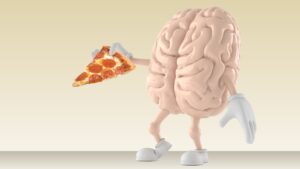
Gut–Brain Connection: Nutritional Support for Mood & Motivation
The gut and brain communicate through a dynamic two-way system that researchers increasingly recognize as central to digestion, emotional wellbeing and metabolic health (Harvard Health Publishing 2025). This relationship; often…

Developing Metabolic Flexibility
Building metabolic flexibility doesn’t require extreme shifts or restrictive programs. Instead, it involves a thoughtful, progressive blend of nutritional variety, strength and movement habits, and practical meal timing that supports;…

A Healthier Holiday Season
For many clients, the holiday season is a combination of celebration, food-centered gatherings, and disrupted routines. As a fitness professional, you play an important role in helping people shift away…

How Nutrition Shapes Mood, Cognition, Stress Resilience, and Long-Term Mental Health
Nourish the Mind For decades, nutrition education in fitness settings focused primarily on body composition, energy balance, and performance. Emerging research shows that food choices influence much more than physical…

Safe Running and Walking in the Dark
The Challenge of Shorter Days As autumn arrives, so do shorter daylight hours. For many walkers and runners, this means that exercise routines often shift into the early morning or…

The Science of Stretching Before Your Workout: Help or Hinder?
For years, athletes and fitness enthusiasts were told to hold long stretches before exercise to “loosen up” and prevent injury. Recent research, however, suggests that the type of stretching matters…

The Bender Ball™: The Crunch-less Core
Leslee Bender has been a leader in the fitness industry for over four decades and was a pioneer in creative functional training, even in the early years of its development….

A Career Path for Pilates Instructors in 2025
With 8.6 million participants, Pilates is the fastest-growing exercise activity in the United States, according to a recent report from the Sporting Goods Manufacturers Association (Rovell 2010). The 2010 IDEA Fitness Programs & Equipment Trends report found that 90% of facilities represented in the survey offer Pilates, up from 63% in 2002 (Schroeder 2010). What’s more, many facilities provide both group and private training, as well as fusion formats (e.g., Pilates-yoga). So it’s not surprising that Pilates instructors today have many career options.