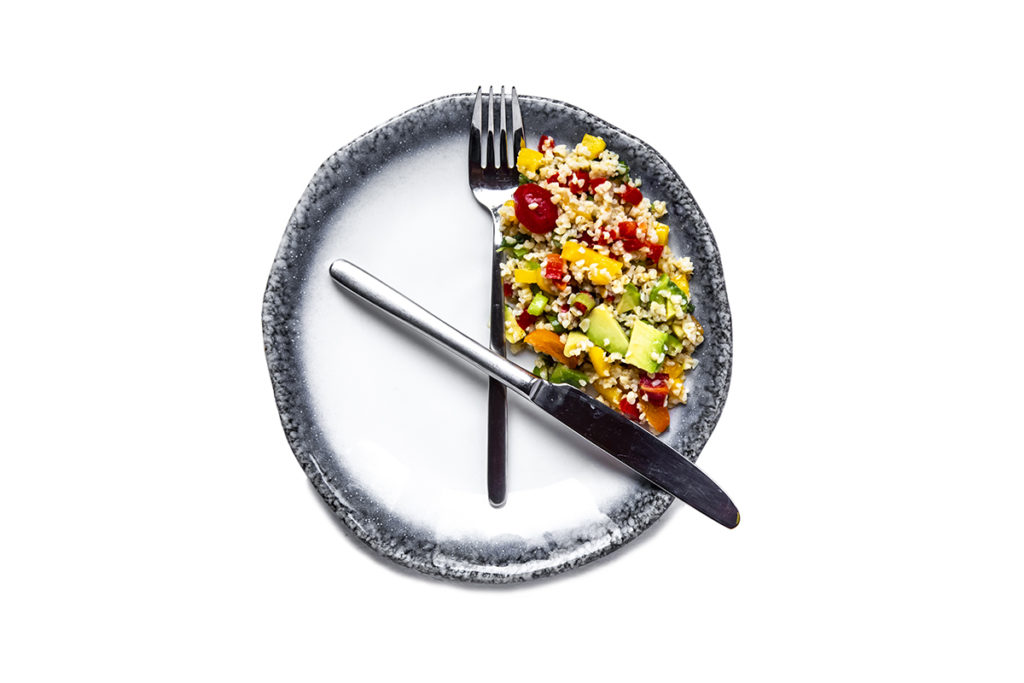

Is Plant-Based Healthier?
“Plant-based” doesn’t necessarily mean healthy.

Did you notice the launch of Reeses’ new plant-based peanut butter cups? It seems like an odd change from the normal recipes for this confectionary, but it’s just the brand responding to how the average American is increasingly associating “plant-based” with “healthier.” Yet, going plant-based is not a guaranteed nutritional slam-dunk.
Investigators from the University of Glasgow used food-frequency data from 391,124 participants enrolled in the UK Biobank prospective population-based study to take a closer look at whether plant-based is healthier. Their report, published in Clinical Nutrition, found that people who followed healthier lacto-vegetarian and meat-containing diets had an 18% and 5% lower risk, respectively, of adverse cardiovascular events—including heart attack—than those consuming a less healthy meat-containing diet.
But it’s worth noting that the cardiovascular risk among people who consumed less-healthy vegetarian and meat-containing diets was not significantly different; just because someone eats more plants, it doesn’t guarantee they are at a health advantage—especially if too many of their plant-based food calories come from heavily processed items like plant-only chocolate-covered peanut butter.
The study authors conclude: “Guidelines advocating a plant-based diet need to stress the importance of overall diet quality in addition to the reduction of meat.”
See also: Bone Fracture Risk on Plant-Based Diets

Matthew Kadey, MS, RD
Matthew Kadey, MS, RD, is a James Beard Award–winning food journalist, dietitian and author of the cookbook Rocket Fuel: Power-Packed Food for Sport + Adventure (VeloPress 2016). He has written for dozens of magazines, including Runner’s World, Men’s Health, Shape, Men’s Fitness and Muscle and Fitness.