
Do the Well-Heeled Eat Less Fast Food Than the Poor?

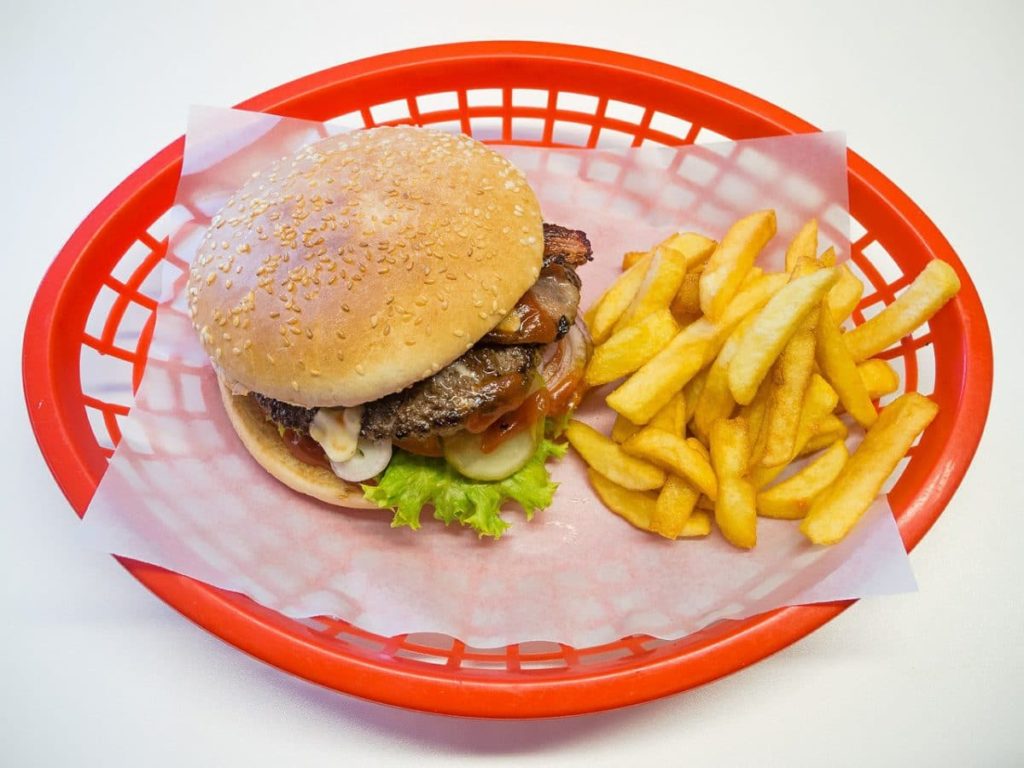
Because fast food is thought to be relatively inexpensive, there’s an assumption that people with lower incomes have a bigger soft spot for it than those in higher-grossing socioeconomic groups. Now, a 2017 study in the journal Economics & Human Biology is challenging this assertion. In the paper, which drew from a large sample of Americans, researchers discovered that the guilty pleasure of biting into a Big Mac is shared across the income spectrum, from rich to poor.
In fact, weekly fast-food consumption increases as income rises from the lowest to the middle quintile. One reason is that hours of work correlate positively with eating fast food, regardless of income. Nutrition initiatives designed to persuade people to avoid fast-food drive-thrus should therefore target Americans in all tax brackets.

Matthew Kadey, MS, RD
Matthew Kadey, MS, RD, is a James Beard Award–winning food journalist, dietitian and author of the cookbook Rocket Fuel: Power-Packed Food for Sport + Adventure (VeloPress 2016). He has written for dozens of magazines, including Runner’s World, Men’s Health, Shape, Men’s Fitness and Muscle and Fitness.