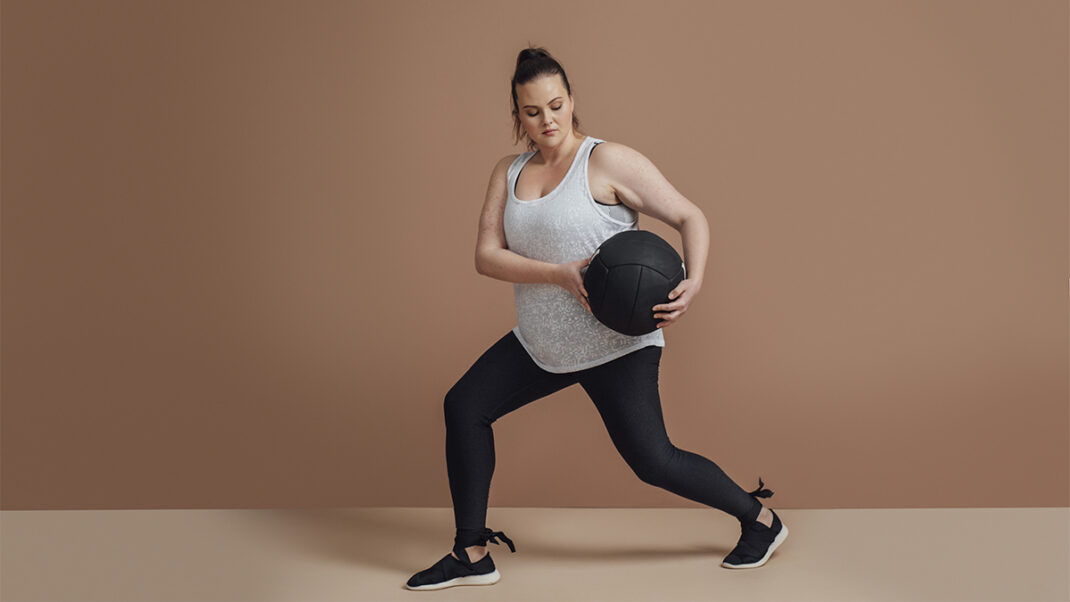

Cognitive Load in Group Fitness: How to Teach With Clarity, Focus and Participant Success



References
Sweller, J., Ayres, P., & Kalyuga, S. (2019). Cognitive load theory. Springer.
van Merriënboer, J. J. G., & Sweller, J. (2021). Cognitive load theory: A special issue of Educational Psychology Review. Educational Psychology Review, 33(1), 1–4. https://doi.org/10.1007/s10648-021-09658-8
Wulf, G., & Lewthwaite, R. (2016). Optimizing performance through intrinsic motivation and attention for learning. Psychonomic Bulletin & Review, 23(5), 1382–1414. https://doi.org/10.3758/s13423-015-0999-9
Raisbeck, L. D., & Diekfuss, J. A. (2022). Working memory and motor performance: A systematic review. Sport, Exercise, and Performance Psychology, 11(4), 317–333. https://doi.org/10.1037/spy0000292
Maslovat, D., Chua, R., & Hodges, N. J. (2021). Motor learning through observation. Current Opinion in Psychology, 39, 105–109. https://doi.org/10.1016/j.copsyc.2020.08.008
Faul, L., & Cordier, R. (2020). Managing cognitive load to support learning in movement-based activities. Journal of Motor Behavior, 52(4), 475–486. https://doi.org/10.1080/00222895.2019.1624748
Wilson, M. R., & Vine, S. J. (2020). The influence of visual attention and cueing on skill acquisition in sport. International Review of Sport and Exercise Psychology, 13(1), 1–22. https://doi.org/10.1080/1750984X.2019.1567328
Tindall, D. R., & McGregor, S. J. (2019). Managing attentional demand in group exercise: Implications for instructor communication. Journal of Fitness Research, 8(1), 28–39.