

Nutrition

Omega-3 Fatty Acids: Dose Matters
Evidence supporting omega-3 fatty acids for cardiovascular health continues to evolve. Recent meta-analyses suggest that clinically meaningful triglyceride reductions often require higher therapeutic doses than typically consumed in over-the-counter supplementation….

Intermittent Fasting and Sustainability
Time-restricted eating patterns remain popular. Recent comparative trials indicate similar weight and metabolic outcomes when total caloric intake is matched to traditional meal timing approaches. Sustainability and adherence appear more…

Artificial Sweeteners and Metabolic Impact
Research examining non-nutritive sweeteners continues to produce mixed findings. Some observational studies associate high consumption with altered glucose regulation, while randomized controlled trials often demonstrate neutral or modest substitution benefits…

Early Childhood Nutrition Patterns and Long-Term Metabolic Risk
Longitudinal cohort research increasingly suggests that early dietary exposures shape long-term metabolic trajectories. Dietary patterns established in early childhood—particularly patterns high in ultra-processed foods, sugar-sweetened beverages, and low fiber intake—have…

Hydration, Cognitive Function, and Training Quality
Hydration status is often framed in performance contexts, yet emerging research highlights broader cognitive and perceptual implications. Even mild dehydration of approximately 1–2% of body weight loss has been associated…

Personalized Nutrition: Promise, Limitations, and Practical Application
The concept of personalized nutrition—tailoring dietary recommendations based on genetics, microbiome composition, or metabolic biomarkers—has gained considerable public attention. Emerging research does confirm individual variability in glycemic response, lipid metabolism,…

Environmental and Social Barriers to Physical Activity
When Movement Depends on Geography Two people can receive the same advice – “be more active” – and live in entirely different realities. One walks out their front door onto…
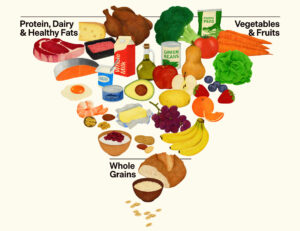
What the Updated Food Pyramid Means for Active Adults
Dietary guidance frameworks commonly referred to as the “food pyramid” have evolved repeatedly over the past several decades. While the original pyramid graphic has been replaced by newer models, the…

The 2026 Outlook: Why Science is the Ultimate Trend
If 2025 was the year of disruption, 2026 is the year of integration. For decades, we have operated in the “Gym Industry.” It was a world defined by aesthetics, transformation…

Protein Intake: Are we overcorrecting?
Protein has become one of the most emphasized nutrients in fitness and wellness conversations, often positioned as a universal solution for satiety, muscle preservation, and body composition. While research supports…

Data Without Context is Not Coaching
As technology and wearables proliferate, raw data alone does not improve outcomes without interpretation. Industry trend reports emphasize the importance of human expertise in translating metrics into meaningful decisions. Fitness…

Energy Deficiency in Active Adults
Energy deficiency is increasingly recognized beyond elite sport, affecting recreationally active adults who unintentionally underfuel relative to training, work, and life demands. Unlike overt dieting, energy deficiency can occur without…

Diet Trends Professionals Are Rejecting
Many professionals are increasingly cautious about extreme or highly restrictive diet trends that promise rapid results. Concerns include sustainability, nutrient adequacy, and psychological stress. This trend reflects a shift toward…

Weight-Neutral Nutrition Conversations
Weight-neutral approaches emphasize health behaviors rather than scale outcomes, gaining traction as professionals seek more inclusive frameworks. This perspective shifts focus toward energy, strength, and function rather than weight change…

Interpreting New Nutrition Headlines
Nutrition headlines frequently highlight single studies or dramatic findings without sufficient context. This can prompt reactionary changes that are unsupported by broader evidence. Fitness professionals can help clients understand that…

Nutrition Anxiety and Behavior Change
Heightened focus on “optimal” nutrition has contributed to anxiety around food choices for some individuals. Fear of making the wrong decision can undermine consistency, enjoyment, and long-term adherence. Research increasingly…


Hydration Myths that Persist
Hydration advice is often reduced to rigid rules, such as fixed daily water targets or assumptions of chronic dehydration. In reality, hydration needs vary widely based on activity, environment, and…
Creatine Beyond Strength
Creatine is one of the most extensively studied supplements in sport nutrition, traditionally associated with strength and power. More recently, research interest has expanded into areas such as aging, cognitive…

Fiber Intake Trends
Despite increased interest in gut health, fiber intake remains below recommended levels for many adults. Recent discussions emphasize fiber’s role in digestive health, metabolic regulation, and satiety rather than weight…