

Food & Hydration
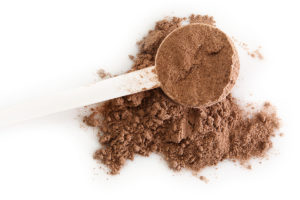
Protein Intake: Are we overcorrecting?
Protein has become one of the most emphasized nutrients in fitness and wellness conversations, often positioned as a universal solution for satiety, muscle preservation, and body composition. While research supports…

Energy Deficiency in Active Adults
Energy deficiency is increasingly recognized beyond elite sport, affecting recreationally active adults who unintentionally underfuel relative to training, work, and life demands. Unlike overt dieting, energy deficiency can occur without…

Weight-Neutral Nutrition Conversations
Weight-neutral approaches emphasize health behaviors rather than scale outcomes, gaining traction as professionals seek more inclusive frameworks. This perspective shifts focus toward energy, strength, and function rather than weight change…

Hydration Myths that Persist
Hydration advice is often reduced to rigid rules, such as fixed daily water targets or assumptions of chronic dehydration. In reality, hydration needs vary widely based on activity, environment, and…

Fiber Intake Trends
Despite increased interest in gut health, fiber intake remains below recommended levels for many adults. Recent discussions emphasize fiber’s role in digestive health, metabolic regulation, and satiety rather than weight…

Ultra-Processed Foods: Evolving Definitions
Ultra-processed foods are frequently discussed as a category to avoid, yet definitions and applications continue to evolve. The NOVA classification system has driven much of the conversation, but research increasingly…

Teaching Food Literacy, Not Rules
Food literacy emphasizes understanding, skills, and context rather than rigid dietary rules. This approach supports autonomy and adaptability in real-world eating situations. Fitness professionals can reinforce food literacy by encouraging…

How dehydration may secretly stress us out
Low water intake can be more problematic than leaving you feeling thirsty. Turns out that drinking sufficient amounts of water is good for more than just keeping us hydrated; it…

Warm Autumn Soups for Immune Support
As the weather cools and sniffle season sets in, few things feel as comforting or as nourishing as a warm bowl of soup. Autumn produce like carrots, broccoli, tomatoes, and…
Hydration Isn’t Just a Summer Thing
When the weather cools down, many people forget about hydration. The truth is dehydration is just as likely in fall and winter as in the summer months. Cold air is…

Family Meals, Healthier Futures: The Power of Cooking Together
Home-prepared meals play an important role in shaping children’s nutrition. Studies consistently link family cooking with higher diet quality, including more fruits, vegetables, and whole foods, though evidence that it…

Fish: A Nutritional Powerhouse for Omega-3’s, Protein and More
Why Fish Deserves Its Place at the Center of the Plate Across cultures and centuries, fish has been celebrated as one of nature’s most nourishing foods. From the Mediterranean coast…

Chewing Less, Gaining More: A Weight Gain Effect of Ultra-Processed Food
Here is some concerning news: more than half of the calories adults eat at home now come from ultra-processed foods and previous research has demonstrated that if you eat a…

FDA Calls for New Front-of-Package Nutrition Labels
The Food and Drug Administration (FDA) has proposed requiring a new label on the front of most packaged food and drinks aimed at helping Americans make healthier choices. The agency…

The reasons why you want to have your water bottle close at hand
Perhaps there is something to the adage ‘drink eight cups of water a day.’ Drinking this amount of water daily can assist in preventing kidney stones, urinary tract infections and…

More Proof – We Are a Fast-Food Nation
In America, fast food restaurants are everywhere — including hospitals. Nearly 70% of U.S.-based hospitals affiliated with a medical school have at least one fast food establishment inside their facilities,…

How Our Cooking Style Could be Harming Our Health
The seemingly benign act of cooking dinner might be filling your home with potentially harmful air pollutants, according to research published in the journal Indoor Air. The study, conducted by…

The Scourge of Sugary Drinks
According to research published in the journal Nature Medicine, sugar-sweetened drink consumption accounts for more than two million new cases of type two diabetes, and 1.2 million new cases of…

Buy or Bye: Psyllium
As the awareness of the importance of high-fiber eating and metabolic health spreads, so does the resurgence of psyllium. Psyllium (pronounced “silly-um”) is a form of soluble fiber made from…

Morning Coffee Drinking More Strongly Linked to Lower Mortality Risk
Over the past few decades we have witnessed research suggesting that drinking up to a few cups of coffee a day can improve heart and overall health, but does the…