

Inequities in TV Advertising
Ethnically targeted marketing campaigns promote unhealthy products.
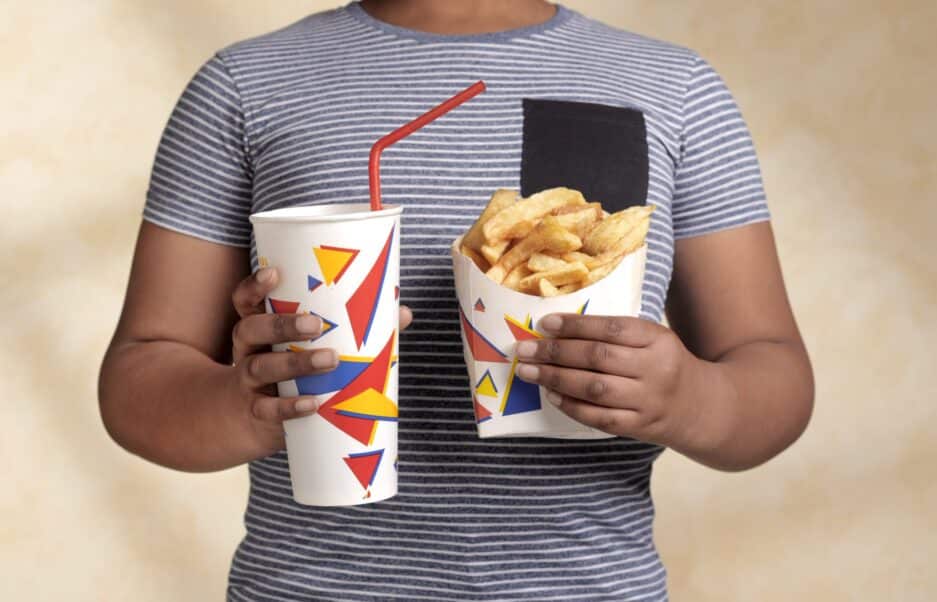
The University of Connecticut’s Rudd Center for Food Policy & Health recently released the Rudd Report. Targeted food and beverage advertising to Black and Hispanic consumers: 2022 update. Here are some of the findings:
- Food and beverage TV advertising is highly concentrated among a small number of companies: 19 companies are responsible for 75% of all food and beverage ad spending and 82% of marketing targeted to Black consumers.
- Despite an overall downward trend in spending on TV ads and TV ad exposure among all people, the overall proportion of ads for low-nutritional-value foods and drinks aimed at Black and Hispanic consumers is increasing.
- Ethnically targeted marketing campaigns almost exclusively promoted unhealthy products and frequently use celebrities such as hip-hop artists.
This only serves to further exacerbate the burden of diet-related diseases in communities of color.
See also: Food Advertising for Children

Matthew Kadey, MS, RD
Matthew Kadey, MS, RD, is a James Beard Award–winning food journalist, dietitian and author of the cookbook Rocket Fuel: Power-Packed Food for Sport + Adventure (VeloPress 2016). He has written for dozens of magazines, including Runner’s World, Men’s Health, Shape, Men’s Fitness and Muscle and Fitness.