
Functional Foods and Nutraceuticals
Foods that work harder

For today’s health-conscious clients, food isn’t just fuel—it’s functional. Consumers are increasingly turning to products that promise more than just calories or convenience. From immune support to mental clarity, recovery, sleep, and energy, functional foods and nutraceuticals are redefining the boundaries between nutrition and wellness.
As a fitness professional, you’re in a prime position to educate clients about how these products can complement physical training, improve adherence to wellness routines, and support overall vitality. Whether it’s optimizing post-workout recovery, managing stress levels, or improving focus throughout the day, understanding the range and application of functional foods helps you deliver more tailored, impactful coaching. These products also provide real-world practicality for clients looking to make small, sustainable upgrades to their daily habits.
Multifunctional Nutrition in Action
Functional foods are designed to provide benefits beyond basic nutrition. While a banana offers potassium and carbs, a functional food might be infused with adaptogens for stress relief or probiotics for digestive support. The appeal lies in offering tangible wellness benefits—be it energy, immunity, or brain support—in everyday consumables.
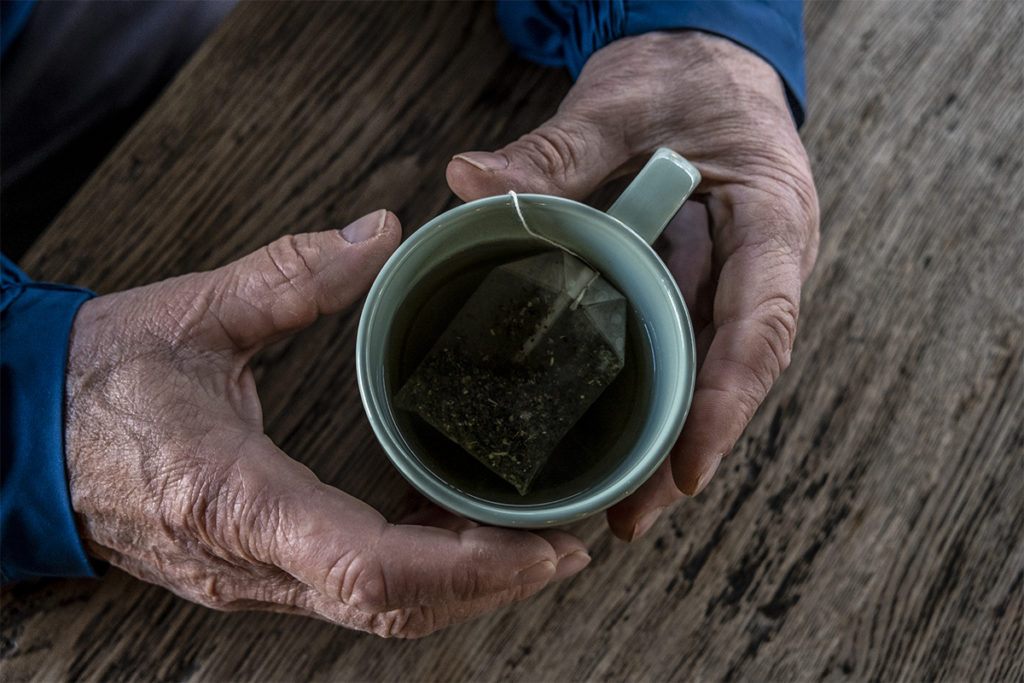
Trending Categories Include:
- Adaptogenic Drinks: These are beverages infused with traditional stress-modulating herbs like ashwagandha, rhodiola, and ginseng. Popular among both high-stress professionals and fitness clients facing overtraining fatigue, these drinks are marketed to promote focus, energy, and resilience to mental and physical stressors (LactMed, 2022).
- Protein Coffees: The convergence of caffeine, protein, and often MCT oil in one drink delivers a convenient pre-workout or breakfast replacement that supports both alertness and muscle repair. This type of hybrid beverage is particularly appealing to early risers and busy clients.
- Mushroom Blends: Functional mushrooms like lion’s mane (for cognitive function), cordyceps (for endurance and oxygen uptake), and reishi (for stress and sleep support) are showing up in everything from coffee alternatives to protein bars. They’re especially popular in recovery protocols and brain health stacks (Boni et al., 2020).
- Sleep Gummies: These convenient chewables often contain ingredients like melatonin, magnesium, GABA, and L-theanine to promote relaxation and sleep quality. Fitness clients often overlook the role of sleep in recovery, and these products can be a gateway to better sleep hygiene.
What makes these products compelling is their ability to integrate into existing routines. For instance, replacing standard coffee with a nootropic-infused version, or consuming a post-workout drink that also promotes gut health, allows for seamless upgrades to client habits.
Bridging Gaps in Wellness
For clients juggling training, work, and stress, functional foods can offer targeted support in areas where lifestyle habits or traditional nutrition might fall short:
- Immune Function: Clients recovering from illness, managing chronic inflammation, or entering cold/flu season may benefit from beverages fortified with zinc, vitamin C, echinacea, or probiotics to maintain resilience and immune modulation.
- Mood and Focus: Adaptogens and nootropics like L-theanine, bacopa monnieri, or tyrosine are formulated to promote mental clarity and reduce stress-related fatigue. These compounds can be especially useful for clients navigating high-stress jobs, improving workout focus, or dealing with emotional eating patterns.
- Recovery Support: Functional foods infused with turmeric (curcumin), collagen, or tart cherry help support anti-inflammatory recovery. These options are particularly beneficial for aging populations, those recovering from injury, or anyone dealing with joint discomfort.
- Sleep Optimization: Quality sleep is essential for recovery, muscle repair, and hormonal regulation. Functional products that include magnesium glycinate, melatonin, and calming botanicals like passionflower provide a non-pharmaceutical option for improving sleep hygiene.
Used appropriately, these products can bridge gaps in whole-food nutrition and support clients who may struggle with consistency or lifestyle barriers. They should be considered part of a complete wellness toolbox.

How to Guide Clients Wisely
- Evaluate Product Claims: The marketplace is flooded with exaggerated claims. Help clients understand the importance of ingredient sourcing, standardized dosages, and scientific backing. Look for reputable products that are transparent about their formulation and provide third-party testing when possible.
- Start with Purpose: Match products to client needs. A client who skips breakfast might benefit from a protein coffee with MCTs, while a stressed-out executive might find more value in an adaptogenic tea. Encourage clients to identify one wellness target at a time rather than stacking multiple new products all at once.
- Don’t Overdo It: Many functional ingredients, such as adaptogens or caffeine-containing nootropics, are safe only within certain thresholds. Guide clients toward moderation and educate them about potential interactions, especially if they’re using supplements or medications.
- Integrate, Don’t Replace: Reinforce that functional foods are not a substitute for whole, nutrient-dense meals. Instead, they should serve as tools that enhance or fill gaps in an otherwise healthy diet. For example, a magnesium gummy should not replace leafy greens, but it may support a client with low intake or sleep disturbances.
- Monitor and Adjust: Encourage clients to track their subjective outcomes (e.g., energy, sleep, digestion, stress) when trying new products. Personalization is key. What works for one client may not work for another, and consistent journaling can help identify patterns or placebo effects.
Fit Pros as Functional Food Guides
Functional foods and nutraceuticals are more than just a wellness fad—they’re a reflection of a growing consumer desire for convenience, personalization, and results. For fitness professionals, they offer an opportunity to guide clients through this evolving space with clarity, discernment, and practical application.
By staying informed about ingredients, understanding client needs, and offering unbiased, evidence-based recommendations, you reinforce your credibility as a holistic health professional. Whether clients are trying to recover faster, sleep deeper, or focus better, these modern nutrition tools can enhance training outcomes and overall quality of life.
References
Boni, R., Lappa, I. K., Papageorgiou, M., Tarantilis, P. A., & Galanis, A. (2020). Functional mushrooms: Potential applications in health and wellness. Journal of Functional Foods, 75, 104280.
LactMed. (2022). Ashwagandha. Drugs and Lactation Database (LactMed). U.S. National Library of Medicine. https://www.ncbi.nlm.nih.gov/books/NBK548128/