

Special Populations

Longevity as a Business Narrative
Longevity and healthspan are growing themes in industry forecasts, reflecting interest in long-term capability rather than short-term results. This narrative supports programming that emphasizes function, mobility, resilience, and aging well….
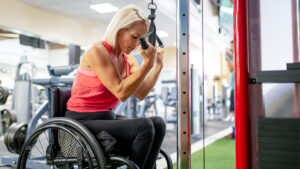
Accessibility as a Market Differentiator
Accessibility, whether physical, cultural, or functional, is increasingly recognized as a business differentiator in fitness offerings. Inclusive design, adaptable programming, and barrier-reduced environments broaden reach and reflect evolving consumer expectations….
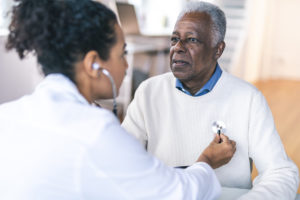
Exercise Programming After Illness, Injury, or Time Off
Returning to exercise after illness, injury, or extended time away is rarely a simple matter of “getting back in shape.” Physiological capacity, cardiovascular tolerance, neuromuscular efficiency, recovery ability, and confidence…
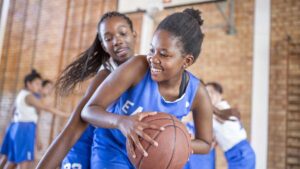
Youth Sport Burnout Trends
Although not always tracked in industry reports, broader sports participation data and coaching communities are increasingly focused on burnout related to early specialization, high training loads, and performance pressure. Parents,…
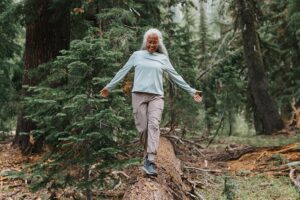
Strength, Balance and Fall Risk
Falls are often framed as an inevitable consequence of aging. In reality, fall risk reflects a convergence of modifiable and non-modifiable factors, many of which sit squarely within the influence…
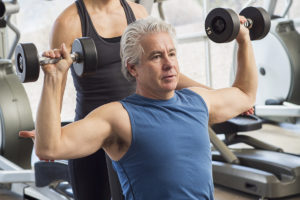
Psychological Drivers of Long-Term Engagement
New findings in older adults further highlight the psychological side of adherence. Rather than physical capacity alone, factors such as self-efficacy and commitment appear closely tied to sustained participation, underscoring…
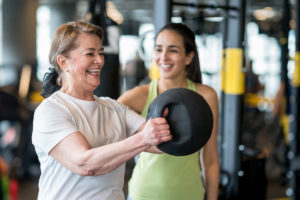
Training for Life Transitions
For many clients, exercise participation is not disrupted by a lack of motivation or interest in health. It is disrupted by change. Injury, aging, shifting health status, caregiving demands, career…

Question of the Month
How are you integrating the popular interest in longevity with your marketing and education about the benefits of fitness training? And, are you highlighting the specific advantages of training with…

The New Science of Women’s Physiology
Why Women’s Physiology Research Is Entering a New Era For much of modern exercise science history, women’s physiology was treated as an unknown variable. Something too complex, too inconsistent, or…
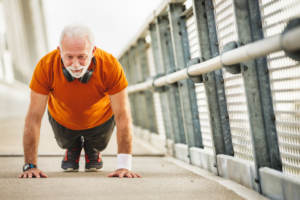
Structured Workouts Reset the Aging Clock
New research shows planned workouts outperform daily activity for longevity. Fit pros can assure clients that paying for individualized training is a solid investment in future health and vitality. A…

The Body’s Unsung Heroes: Why Foot and Ankle Strength Matters
The Foundation of Movement The foot and ankle form the base of the human body, serving as the foundation for nearly every movement. With 26 bones, 33 joints, and over…
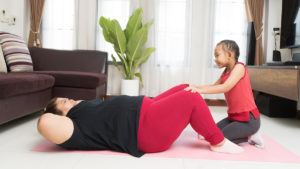
Breast Cancer Awareness: Exercise & Screening
October is widely recognized as Breast Cancer Awareness Month, reminding us of the importance of early detection and healthy lifestyle habits. Regular exercise is linked with reduced risk of breast…

Family Meals, Healthier Futures: The Power of Cooking Together
Home-prepared meals play an important role in shaping children’s nutrition. Studies consistently link family cooking with higher diet quality, including more fruits, vegetables, and whole foods, though evidence that it…

Parent Modeling: the Most Powerful Influence on Family Fitness Day
Kids often mirror the habits they see. When parents make time for exercise, choose to walk instead of drive, or celebrate effort over performance, children are more likely to grow…
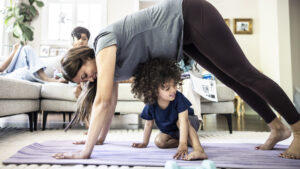
Family Fitness: Fun Ways to Move Together
When families move together, exercise shifts from a chore into a memory. Kids are more likely to embrace active habits when parents make movement visible and enjoyable, and parents benefit…
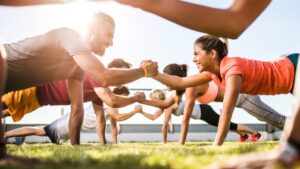
Game On for Health: Turning Everyday Activity Into Wins
Gamification applies game design elements like points, badges, and challenges to everyday activities, and research shows it can meaningfully increase physical activity. When paired with wearable technology that delivers immediate…

Strength That Moves: Why Kids Need Power for Sport
Strong kids move better. Research shows that youth resistance and neuromuscular training can significantly improve sprinting, jumping, and change-of-direction skills, while also lowering the risk of sport-related injuries when paired…

Mid-Life Physical Activity and Alzheimer’s Disease
Study finds compelling reasons to start or increase a mid-life fitness program. Looking for new ways to motivate your mid-life clients? Let them know that regular physical activity during midlife…

Foundations First: A Smarter Start to Strength for Kids
The best way for kids and teens to begin strength training is by focusing on bodyweight exercises and light tools like resistance bands or medicine balls. Early sessions should include…

Resistance Training for Cardiometabolic Health
New meta-analysis shows major benefits for clients with diabetes and obesity. A new research review confirms what many fitness pros know – resistance training delivers measurable health improvements, especially for…