
IDEA Career Success Workshop: Ethics in Action
How to Apply Professional Standards in Daily Fitness Practice
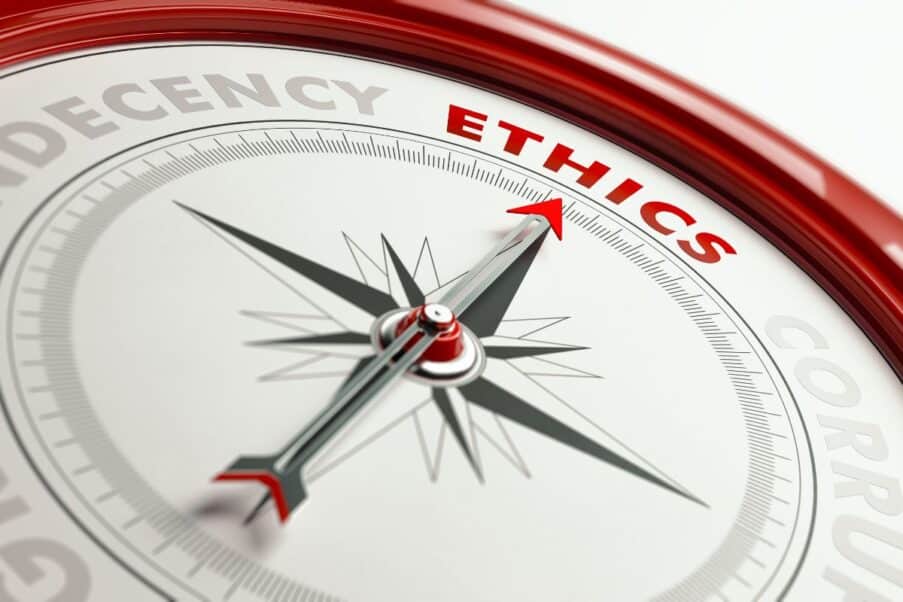
A career in fitness is built not only on coaching ability and technical expertise, but also on daily decisions that influence client safety, trust, and long-term relationships. Ethics is the framework that guides those decisions. It shapes how you interact with clients, communicate online, apply your skills, and represent yourself as a professional.
Ethical practice is not an optional add-on; it is the foundation of career longevity. Whether you are a new trainer, a seasoned instructor, or a leader working with staff, ethics protects your reputation, strengthens credibility, and helps foster an environment where clients and colleagues feel respected and supported.
Let’s discuss how to apply practical, real-world ethics across all areas of professional fitness practice. No organizational doctrine. No philosophical theory. Just the tangible behaviors, decisions, and boundaries that set strong professionals apart.
Ethical Practice Begins With Client Safety
Safety is the most fundamental responsibility of every fitness professional. Ethical decision-making starts with keeping clients physically and psychologically safe during every session, class, or program.
Key safety responsibilities include:
- Conducting appropriate pre-exercise screenings
- Using evidence-informed programming
- Teaching correct exercise technique
- Monitoring for pain, dizziness, or warning signs
- Progressing clients gradually
- Modifying exercises based on ability, conditions, or limitations
- Avoiding competition-based pressure that can lead to injury
Safety also means practicing within your qualifications. When a client presents with pain, complex medical concerns, or symptoms outside your scope, the ethical choice is to refer them to a licensed healthcare provider. Referrals aren’t a sign of weakness; they demonstrate professionalism and respect for expertise.
Scope of Practice: Knowing What You Should and Should Not Do
In the fitness profession, “scope of practice” describes the boundaries of your role. Clients often assume their coach or trainer knows everything about health — but responsible professionals know where their expertise ends.
Fitness professionals CAN:
- Design exercise programs
- Coach technique and intensity
- Support motivation and confidence
- Provide general lifestyle and wellness education
- Educate on balanced nutrition in non-clinical terms
- Promote healthy behaviors and habit formation
- Fitness professionals CANNOT ethically:
- Diagnose medical conditions
- Treat injuries
- Prescribe rehabilitation protocols
- Offer medical opinions or advice
- Provide psychological counseling
- Prescribe specific diets (where regulated)
- Recommend supplements as treatment for medical issues
If you are ever unsure, the safest choice is to say:
“This is outside my scope, but I can help you find a qualified professional.”
Clients respect honesty and appreciate when you help them stay safe.
Professional Boundaries: Protecting Both You and Your Clients
Boundaries protect clients’ well-being and your professional integrity. They create clarity in relationships, prevent misunderstandings, and help you maintain neutrality and safety.
Physical Boundaries
Touch should always be:
- Professional
- Minimal
- Necessary for instruction
- Explained clearly
- Based on explicit permission
Instead of assuming, ask:
“Would you like a hands-on adjustment to help you feel the alignment?”
Emotional Boundaries
Clients often open up about stress, relationships, self-esteem, or mental health. Listening compassionately is part of the job — but assuming the role of therapist is not.
You can support without crossing lines by saying:
“That sounds difficult. If you’d like additional support beyond our sessions, I can help you find someone to talk to.”
Relational Boundaries
Avoid dual relationships that create conflicts of interest:
- Romantic relationships with clients
- Financial partnerships
- Trading services
- Training close family or intimate partners
- Clear boundaries keep relationships healthy and professional.
Digital Boundaries
Online communication requires the same professionalism as in-person communication:
- Set reasonable response hours
- Keep communication focused on coaching
- Maintain privacy (no screenshots or sharing without consent)
- Document program-related updates
Digital professionalism is now part of ethical coaching.
Communication Ethics: Words That Build Trust and Respect
Ethical communication goes beyond being “nice.” It requires clarity, accuracy, honesty, and respect — especially when addressing sensitive topics like weight, body image, injury, or performance.
Key principles of ethical communication include using inclusive, people-first language. Avoid labels such as “obese client,” “senior,” or “out-of-shape person.” Instead, use respectful phrasing like:
- “Client who is new to exercise”
- “Client working toward weight-loss goals”
- “Older adult who enjoys low-impact movement”
Respectful language fosters dignity and belonging.
Avoid appearance-based judgments Comments like “You look leaner today!” or “We need to fix your body” can be harmful. Focus on performance, health, and progress instead.
- Set clear expectations
- Ambiguous communication leads to misunderstandings. Define:
- Class or session objectives
- Cancellation policies
- Payment expectations
- Safety instructions
- Modifications and limitations
- Be honest — no hype, no false promises
Unethical communication includes exaggerated claims such as:
- “I guarantee results in 30 days!”
- “This workout melts fat instantly!”
- “This supplement will fix your hormones.”
Stick to realistic, evidence-informed language. Ethical communication builds trust — and trust builds careers.
Privacy & Confidentiality: Respecting What Clients Share
Clients reveal highly personal information: health history, body image struggles, medical conditions, emotional stress, and more. Ethical professionals handle this information with total discretion.
Privacy best practices include:
- Discussing client details only with appropriate staff who need to know
- Never sharing progress photos without written permission
- Avoiding public comments about someone’s health or performance
- Not discussing clients with other clients
- Securing digital files and messages properly
- Anonymizing information when seeking mentorship or help
Even casual breaches of confidentiality can damage trust and reputation.
Ethical Marketing & Public Representation
Today’s fitness professionals operate in a public-facing world. Social media, websites, testimonials, photos, and program advertisements all represent your brand. Ethical marketing ensures that everything you communicate is truthful, respectful, and aligned with best practices. Avoid misleading claims by NOT using the following unethical marketing:
- Fake before/after photos
- Guaranteed outcomes
- Unverified medical claims
- Impossible promises
- Sensationalized language
Clients deserve honesty and your business will thrive from the trust you earn.
When and if you decide to represent clients in any marketing or on any social media platform, do so with permission and respect.
Never post:
- Photos
- Stories
- Success metrics
- Messages
- Testimonials
…without clear consent. Even anonymized stories should be shared cautiously. Personal identifying information should never be used without consent!
Use transparent pricing and policies Be sure your website and any marketing lists:
- Rates
- Session duration
- Cancellation fees
- Package expiration
- Refund policies
Transparency eliminates confusion and protects both parties.
Ethical Conduct With Colleagues & Teams
Ethics isn’t just about clients. It also shapes how you interact with other professionals. Support, don’t sabotage your fellow fitness professionals. Remember, this industry is large and there is absolutely space for every fitness professional to succeed.
Avoid gossip, toxicity, and competition-driven negativity. Respect colleagues’ skills, schedules, and contributions. Share knowledge openly and help new staff understand class formats, equipment procedures, or training expectations. Healthy teams collaborate, not compete.
Address conflicts respectfully and use direct, professional communication. Approach issues with solutions, not accusations. Model professionalism in all aspects of your career. Senior professionals influence the tone of the team. Your demeanor, communication, and work habits set an example for newer staff.
Ethical workplaces feel safer, more supportive, and more cohesive. And they tend to retain great instructors and trainers.
Ethical Decision-Making in Challenging Situations
Real-world ethical dilemmas appear often in fitness environments. Here are examples and how to navigate them:
Scenario 1: A client asks for rehab-style exercises for a painful joint.
Ethical response:
“Let’s pause anything that aggravates your pain and modify the program. Since this is recurring, I recommend you see a licensed clinician who can evaluate it properly.”
Scenario 2: A member makes a discriminatory remark in a class.
Ethical response:
Provide a calm but firm reminder that the environment is inclusive and respectful, then follow facility protocols to ensure safety and dignity for everyone present.
Scenario 3: A client expresses emotional distress beyond the coaching context.
Ethical response:
Listen with empathy, but offer a referral to a mental health professional who can provide appropriate support.
Scenario 4: A manager asks you to take on a client you feel unprepared to train safely.
Ethical response:
Explain your concern and recommend that the client be paired with a professional whose skill set matches their needs. Offer to shadow or learn if appropriate.
Scenario 5: A new trainer asks for guidance.
Ethical response:
Offer mentorship, share resources, and model professional behavior. Your influence can positively shape their career.
Ethics, Reputation & Career Advancement
Your ethical behavior becomes part of your professional identity. Over time, consistency builds a reputation that opens doors to:
- Higher-level coaching roles
- Management or leadership positions
- Mentorship opportunities
- Workshop instruction
- Speaking engagements
- Online coaching demand
- Collaborative partnerships
- Corporate wellness placements
- Long-term client retention
The fitness industry is relational. People recommend, hire, and collaborate with professionals they trust. Ethical conduct accelerates career advancement by making you the kind of professional people want to work with.
Building Your Ethical Skill Set: A Practical Action Plan
- Conduct an ethics self-audit every quarter – Reflect on communication, boundaries, referrals, marketing, and client interactions.
- Seek mentorship – A seasoned professional can offer perspective and help you navigate dilemmas.
- Stay educated – Ethics evolves. Keep learning through workshops, books, case studies, and peer discussions.
- Role-play challenging scenarios – Practice handling difficult conversations, conflicts, and boundary-setting.
- Create clear written policies – Put expectations in writing to prevent conflict and misunderstandings.
- Prioritize transparency and honesty – Err on the side of clarity. If something feels “grey,” step back and reassess.
- Maintain humility – Ethical growth requires willingness to admit mistakes, learn from them, and improve.
Ethics is not a checkbox on a certification exam. It is the everyday practice of integrity, respect, professionalism, and responsibility. When you build your career on a foundation of ethical behavior, you strengthen every part of your work – your client relationships, leadership potential, business success, and long-term satisfaction.
The most successful fitness professionals are not only skilled, they are trustworthy. They communicate honestly, respect boundaries, prioritize safety, and lead with consistency and clarity.
Ethical behavior is your compass. Use it daily, refine it often, and let it guide the kind of professional you become and the legacy you leave in the fitness field.
References
American Council on Exercise. (2020). ACE personal trainer manual (6th ed.). San Diego, CA: American Council on Exercise.
— Provides standards on scope of practice, communication, client safety, and professional boundaries.
American College of Sports Medicine. (2022). ACSM’s guidelines for exercise testing and prescription (11th ed.). Philadelphia, PA: Wolters Kluwer.
— Industry gold standard for exercise safety, informed consent, and professional conduct.
American College of Sports Medicine. (2019). ACSM’s resource manual for guidelines for exercise testing and prescription (7th ed.). Philadelphia, PA: Wolters Kluwer.
— Details risk management, screening, referral requirements, and ethical decision-making.
Australian Fitness Association. (2022). Code of ethics and conduct for fitness professionals. https://fitness.org.au/articles/about-us/fitness-australia-code-of-ethics/50
— Provides ethics and conduct expectations including privacy, respect, boundaries, and professionalism.
BLS—Bureau of Labor Statistics. (2024). Fitness trainers and instructors: Occupational outlook handbook. https://www.bls.gov/ooh/personal-care-and-service/fitness-trainers-and-instructors.htm
— Provides context for professional responsibilities, environments, and expectations.
Canadian Fitness Industry Council. (2021). Professional standards for fitness leaders. https://www.canfitpro.com
— Outlines professional boundaries, competence, and communication standards for trainers.
Clark, M. A., Lucett, S. C., & Sutton, B. G. (2022). NASM essentials of personal fitness training (7th ed.). Burlington, MA: Jones & Bartlett Learning.
— Covers scope of practice, intake procedures, consent, safety, and best practices for communication.
European Register of Exercise Professionals. (2020). Code of ethical practice. https://www.ereps.eu/ereps-standards
— Provides guidelines on confidentiality, respect, discrimination, and professional behavior.
Fass, R., & Lawrence, M. (2020). Maintaining professional boundaries in fitness coaching. Strength and Conditioning Journal, 42(4), 98–104.
https://doi.org/10.1519/SSC.0000000000000548
— Peer-reviewed article discussing physical, emotional, and relational boundaries in coaching.
International Coaching Federation. (2021). ICF code of ethics. https://coachingfederation.org/ethics/code-of-ethics
— Offers widely recognized ethical guidelines applicable to behavior change, communication, and coaching.
National Academy of Sports Medicine. (2018). Scope of practice for fitness professionals. https://blog.nasm.org/scope-practice-personal-trainer
— Explains what fitness professionals can—and cannot—ethically do in training contexts.
National Strength and Conditioning Association. (2018). NSCA code of ethics. https://www.nsca.com/about-us/code-of-ethics/
— Addresses conduct, professional boundaries, representation, and interaction with clients.
Richardson, S., & Latreille, P. (2021). Client confidentiality and information management in fitness settings. Journal of Fitness and Health Education, 13(2), 45–57.
— Peer-reviewed article on privacy, confidentiality systems, and ethical use of client information.
Simpson, K., & Young, J. (2018). Professionalism in fitness training: Client communication and boundary management. Journal of Physical Activity & Health, 15(4), 309–315.
— Evidence-based discussion on communication ethics, inclusive language, and maintaining boundaries.
U.S. Department of Health & Human Services. (2020). Health information privacy rights (HIPAA overview). https://www.hhs.gov/hipaa/for-professionals/index.html
— Governs confidentiality expectations when handling any identifiable health-related information.