

Mind-Body / Recovery

The 2026 Outlook: Why Science is the Ultimate Trend
If 2025 was the year of disruption, 2026 is the year of integration. For decades, we have operated in the “Gym Industry.” It was a world defined by aesthetics, transformation…
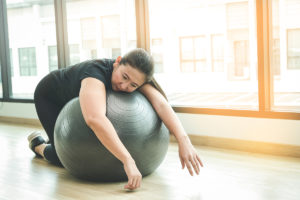
When Training Stops Helping
Training stress is necessary for adaptation, but adaptation does not occur simply because stress is applied. It occurs when stress is balanced with sufficient recovery over time. When this balance…

Credential Saturation in Fitness
Credential proliferation continues as the industry grows, leading consumers to face an array of certifications and specializations. This saturation highlights the need for professionals to articulate not just credentials held,…

Recovery as a Differentiator
Recovery is increasingly positioned as a defining feature of high-quality coaching rather than an optional add-on. Clients are more aware of fatigue, burnout, and sustainability, leading to greater interest in…

Anxiety, Emotional Regulation and Exercise
Physical activity is often discussed as a tool for stress relief, mood enhancement, and mental well-being. In popular narratives, exercise is sometimes framed as a direct antidote to anxiety, with…

Fitness and Mental Health Integration
Fitness is increasingly integrated with mental well-being, reflecting consumer interest in holistic health rather than physical outcomes alone. Industry surveys show rising demand for programming that acknowledges stress, mood, and…
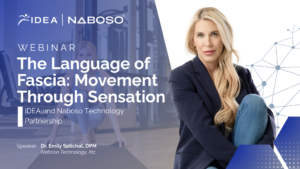
Register for “The Language of Fascia” Webinar
IDEA Health & Fitness Association® is pleased to welcome you to this live educational webinar with functional podiatrist and human movement specialist Dr. Emily Splichal, owner and founder of Naboso….
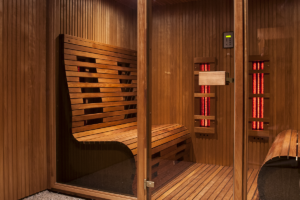
Recovery as a Skill: Teaching Clients to Support Training, Not Undermine It
Recovery is often discussed as a passive process, something that happens when training stops. In practice, recovery is an active skill set that directly influences training quality, confidence, and long-term…

Reflective Practices That Strengthen Professional Growth
Fitness professionals spend their days empowering others – guiding clients through challenges, celebrating their wins, teaching new skills, and helping them become stronger and more confident. But while trainers excel…
Lifestyle Practices Like Exercise Can Reduce Dementia Prevalence
Losing cognitive function is not inevitable–exercise matters. Exercise is among the most important lifestyle strategies to help slow or prevent cognitive decline. In the United States, about one in five…

Coldwater Immersion May Slow Recovery
Young male exercisers may want to rethink the ice bath after training. A new study in Medicine & Science in Sports & Exercise (2025; doi: 10.1249/MSS.0000000000003723) shows that cold-water immersion…

Resistance Training Improves Sleep
Study compares aerobic, strength and combination training on sleep quality. If you have an older client struggling with sleep issues, consider recommending strength training. A study published in Family Medicine…

The Fitness Professional’s Guide to Whole-Person Mental Wellbeing
Mental wellbeing is essential to living a meaningful, engaged and connected life. It influences how people process stress, maintain relationships, make decisions and participate in their communities. For fitness professionals,…

Meditation Apps Are Mainstreaming Mindfulness
Research review notes more than 300 million downloads. Have you asked your clients whether they are using a meditation app? According to a new review in American Psychologist (2025; doi:…

The Emerging Science of Interoception
Interoception – our internal sense of breath, heartbeat, pressure, tension and emotional shifts – has become a major point of interest in mind–body research. For fitness professionals, understanding this system…
Gut–Brain Connection: Nutritional Support for Mood & Motivation
The gut and brain communicate through a dynamic two-way system that researchers increasingly recognize as central to digestion, emotional wellbeing and metabolic health (Harvard Health Publishing 2025). This relationship; often…

A Healthier Holiday Season
For many clients, the holiday season is a combination of celebration, food-centered gatherings, and disrupted routines. As a fitness professional, you play an important role in helping people shift away…

How Nutrition Shapes Mood, Cognition, Stress Resilience, and Long-Term Mental Health
Nourish the Mind For decades, nutrition education in fitness settings focused primarily on body composition, energy balance, and performance. Emerging research shows that food choices influence much more than physical…

Building a Holiday Wellness Survival Kit
The holiday season brings joy, tradition, and togetherness, but it also brings disruption. Your training routine, nutrition goals, sleep schedule and mental calm can be challenged by extra social obligations,…

The Power of Mindful Eating
When most people think of nutrition and fitness they look at macros, calories, meal timing and exercise volume. Yet one of the most potent, but often overlooked, tools for supporting…