

Exercise/Class Formats

Exercise Intensity, Recovery and Cardiovascular Risk
Exercise is widely recognized as a cornerstone of cardiovascular health, yet conversations about how exercise intensity influences cardiovascular risk often become polarized. High-intensity training is alternately framed as either the…

Resistance Training Research Shifts
Strength and resistance training continue to gain traction, not just for performance but as foundational for metabolic health, functional capacity, and longevity. Positioning resistance work as a core component of…

The Return of Small Group Training
Small-group training is experiencing renewed momentum as clients seek a balance between individualized attention and social connection. Semi-private formats offer coaching visibility and personalization without the cost or isolation of…

Anxiety, Emotional Regulation and Exercise
Physical activity is often discussed as a tool for stress relief, mood enhancement, and mental well-being. In popular narratives, exercise is sometimes framed as a direct antidote to anxiety, with…

Fitness and Mental Health Integration
Fitness is increasingly integrated with mental well-being, reflecting consumer interest in holistic health rather than physical outcomes alone. Industry surveys show rising demand for programming that acknowledges stress, mood, and…

Register for “The Language of Fascia” Webinar
IDEA Health & Fitness Association® is pleased to welcome you to this live educational webinar with functional podiatrist and human movement specialist Dr. Emily Splichal, owner and founder of Naboso….

Interval Walking Goes Viral
The recent viral interest in Japanese interval walking reflects growing appetite for simple, structured approaches that balance challenge with accessibility. The trend aligns with broader industry movement toward formats that…

Long-Term HIIT Adherence Remains Mixed
While HIIT performs well in structured research settings, long-term adherence outside the lab remains inconsistent. Recent systematic reviews suggest that more moderate, repeatable approaches may better support sustained participation, adding…

Consistency Gains Ground Over Intensity Messaging
Across industry commentary, consistency is increasingly positioned as the primary driver of results. This perspective aligns with the growing emphasis on repeatability over spectacle, as more voices highlight habit formation…
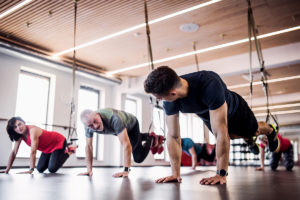
HIIT’s Role in Aging – Benefits and Boundaries
While high-intensity training remains effective, new research adds nuance to how and when it is best applied. A recent review comparing HIIT and continuous aerobic training in older adults highlights…

Why Training Adaptations Depend on Repeated Exposure, Not Peak Effort
Exercise physiology research consistently demonstrates that meaningful adaptation is driven by repeated exposure to training stress over time rather than short bursts of maximal effort. Yet many training approaches continue…
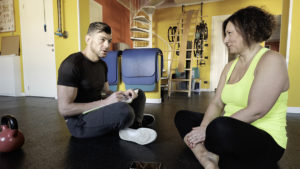
Is Your Program Built to Last?
Many training programs are designed to produce results under ideal conditions. Sessions assume consistent attendance, uninterrupted recovery, stable schedules, and high motivation. In practice, most clients train in far less…

Reflective Practices That Strengthen Professional Growth
Fitness professionals spend their days empowering others – guiding clients through challenges, celebrating their wins, teaching new skills, and helping them become stronger and more confident. But while trainers excel…
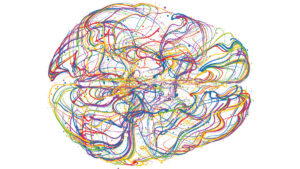
Lifestyle Practices Like Exercise Can Reduce Dementia Prevalence
Losing cognitive function is not inevitable–exercise matters. Exercise is among the most important lifestyle strategies to help slow or prevent cognitive decline. In the United States, about one in five…

Resistance Training Improves Sleep
Study compares aerobic, strength and combination training on sleep quality. If you have an older client struggling with sleep issues, consider recommending strength training. A study published in Family Medicine…

The Fitness Professional’s Guide to Whole-Person Mental Wellbeing
Mental wellbeing is essential to living a meaningful, engaged and connected life. It influences how people process stress, maintain relationships, make decisions and participate in their communities. For fitness professionals,…

Walking and Chronic Low Back Pain
Regardless of pace, walking for longer periods helps people fight low back pain. While a quicker pace supports longevity and reduces risks of heart disease, new evidence suggests that longer…
Brisk Walking Adds More Benefits
A faster pace can help walkers live longer. Do you use fast walking in warm-ups or interval training? If so, you’re already helping clients build a skill that boosts longevity….

Meditation Apps Are Mainstreaming Mindfulness
Research review notes more than 300 million downloads. Have you asked your clients whether they are using a meditation app? According to a new review in American Psychologist (2025; doi:…

The Emerging Science of Interoception
Interoception – our internal sense of breath, heartbeat, pressure, tension and emotional shifts – has become a major point of interest in mind–body research. For fitness professionals, understanding this system…