

Anatomy/Kinesiology
Moving More Every Day
As you help your clients understand the benefits of moving more, it’s important to remind them that all movement doesn’t need to be done in the gym.

Pandemic Pause and Youth Athletics
The pandemic paused play time for thousands of budding athletes, and it took a toll.
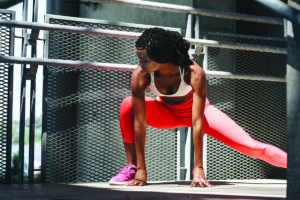
Upgraded Movement Preparation
The warmup is an obvious time to prepare muscles and educate people about their bodies. Why not use this time for movement preparation?

Wrist Joint Anatomy
Familiar motions of the wrist joint, such as waving, knocking or using a hammer, seem simple, yet beneath the surface is a complex structure.

Fall Prevention for Older Adults
Fall prevention is a vital part of functional training for your aging clients. Changes in communication between the nervous and muscular systems as age we are likely to result in a loss of balance, which is a risk factor in the older population. Kyle Stull, DHSc, a content development manager at NASM and an instructor for the Department of Health and Human Performance at Concordia University, offers some practical advice in training clients for fall prevention.
The Dirty Little Secret in Fitness: Sue’s Story
Aches, pains, strains and stiffness can creep in, seemingly out of nowhere. For some of us, the pain affects the quality of our daily lives, and pinpointing the cause can seem like a wild goose chase. This was the case for the creator of the MELT Method, Sue Hitzmann. Developing MELT’s innovative approach to self-care—after an extensive dive down the rabbit hole of neurofascial research—was her ticket out of pain and many symptoms of aging. Two decades later, thousands of people have joined her on that journey.

Brain Fitness and Cardio Training
Research identifies brain dopaminergic function as the probable means by which aerobic activity stimulates growth and improves brain fitness.

Virtual Training Assessments
Virtual personal training isn’t new, but the business aspect is growing, thanks to increased demand and improved technology across the board.
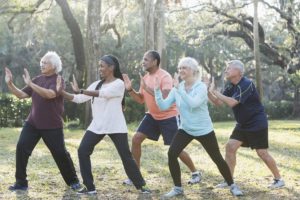
Tai Chi Is Good for Older Adults
Why tai chi? These Chinese movement patterns have been around for centuries. In recent years, study after study has proven their benefits—particularly for older exercisers—yet most fitness professionals seem to…

Arthritis and Exercise
Arthritis is a major health concern. According to the Centers for Disease Control and Prevention, 23% of all adults in the U.S., more than 54 million people, have arthritis. As a fitness professional, you can make a difference. Both the CDC and the Arthritis Foundation (arthritis.org) agree that exercise is an important tool in arthritis pain management and prevention.

Posture Correction for Static Damage
The word posture tends to evoke the image of a schoolgirl standing perfectly erect with a book on her head. More accurately, static posture refers to the way in which a person holds his or her body or assumes certain positions, such as sitting, standing or sleeping. The cumulative effect of the time spent in certain positions can lead to prolonged static-posture damage to both the musculoskeletal and myofascial systems of the body.

Weight Training for Women Over 40
Losing muscle and gaining fat are expected for women over 40, but the right resistance training can positively affect body composition.

Getting Nosy About Nose Anatomy
Behind its protruding exterior of the nose anatomy lies an intricate system that keeps you breathing fresh air and smelling the roses.

The Top 10 Corrective Exercises
How does corrective exercise programming fit into your business? Clients who are self-motivated to work hard are already star pupils. But what do you do when a client, because of injury, overuse patterns or some other type of dysfunction, can’t quite make it out of the gate? Many people want and need help with reducing pain in addition to meeting functional fitness goals. One goal dovetails into the other.

Functional Training for Gardeners
Gardening is an endurance activity whose moves are best primed through a good functional training program. Record numbers of new gardeners make this a prime opportunity to market special programming for the gardening enthusiasts in your community.
Stroke Recovery Training
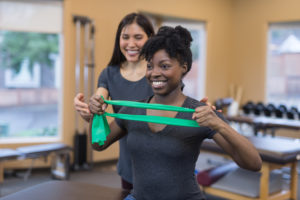
Although many trainers may believe that ongoing stroke recovery is either the sole purview of physical therapists or limited to those so infirmed that progress is limited, there is an incredible opportunity to make a profound difference to survivors.

Frozen Shoulder? Identify Dysfunction
Our clients work hard to develop shoulders that are aesthetically pleasing, and learning how to spot shoulder impingement and other dysfunction is an integral part of the big somatic “picture.”

Rotator Cuff Anatomy
Though your body makes it look easy, dynamic shoulder moves are the result of several muscles and tendons in the rotator cuff anatomy.
Inflammation Reduced by Muscle Cells
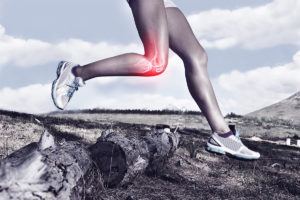
Research offers insight into how much and what type of exercise may help reduce systemic inflammation and promote a healthy immune system.
Bone Density and Healthy Aging
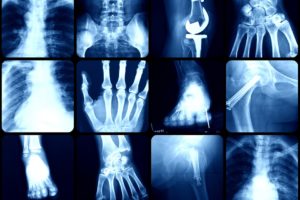
If you work with adults 50 and older, it may be time to educate them about the impact exercise can have on bone density and healthy aging.