

Anatomy/Kinesiology
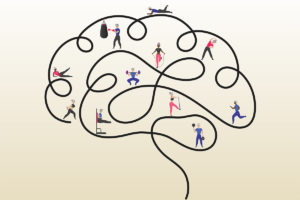
Brain Fitness Versus Physical Fitness for Healthy Aging
Cognitive capacities influence physical activity levels more than vice versa, so people with healthier brain functioning are more likely to be active.
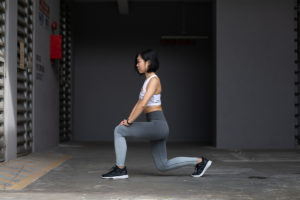
Compound Lower-Body Exercises Build More Strength
Lower-body and multijoint exercises appear to be more appropriate for developing maximal strength than single-joint, isolated, upper-body exercises.

On Your Nerves
Talking about the nervous system may bring to mind rapid bodily responses to stress, but there’s more to this intricate bundle of fibers.
Gait Analysis in Your Shoe
Do you include gait analysis in your assessments to help you craft the perfect program? A new technology may simplify the process.
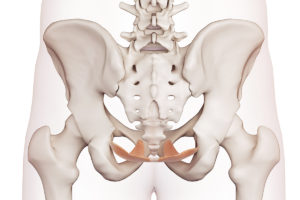
Pelvic-Floor Exercise Training and Prenatal Exercise Programs
Polish researchers evaluated the effects of adding pelvic-floor muscle education and training to a prenatal high-/low-impact exercise program.
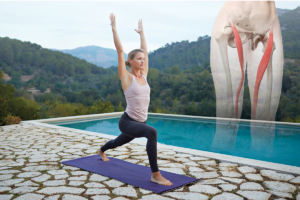
Sizing Up the Sartorius Muscle
You may not be familiar with the sartorius muscle, but you’ve no doubt flexed it during countless lower-body exercises, stretches and yoga poses.
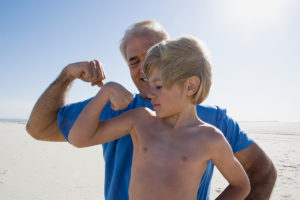
Muscle: Use It or Lose It Until You Use It Again
It turns out we may be able to “bank” muscular training benefits from our younger selves to help maintain muscular strength as we age. One caveat: We must train again to reap those benefits.

Some Physical Activity May Not Benefit Heart Health
Resistance training may reduce fat levels around the heart (above), but not all strength-based activities are beneficial for cardiovascular health. New research shows that occupational activities like routinely carrying heavy loads at work may have a negative impact on the heart.

Strength Training Reduces Heart Fat
Location matters with body fat. The accumulation of excess fat around the heart can increase the risk of cardiovascular disease. A new study by researchers at the University of Copenhagen in Denmark assigned participants to resistance training, high-intensity interval endurance training (HIIT) or no exercise. Results showed that only people who lifted weights decreased the fat lying closest to the heart—specifically, inside the sac that encases the heart (the pericardium).

Build Fitness Without Demolishing Joints
High-impact exercises — such as burpees, jumping jacks and other moves that get both feet off the ground simultaneously — can help build strength and endurance and shed fat quickly.
As a result, they’re often incorporated into high-intensity interval training (HIIT) workouts, which have gained recognition because they burn an impressive number of calories in a short amount of time and boost metabolism for up to 48 hours after the workout’s over through the afterburn effect.
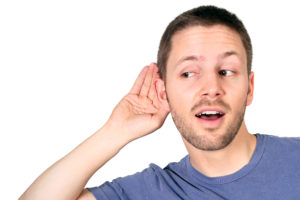
All Ears
From infections to hearing disabilities, you may think you’ve heard it all when it comes to the ear. This complex system of tiny parts not only helps us to process sound but also keeps us balanced and performing well during physical exercise.
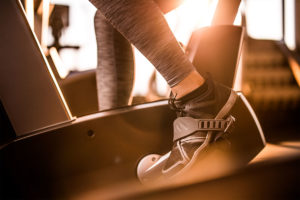
Dominant Leg May Have More Endurance
New research shows that single-leg cycling drills may be a valuable way to address dominant/nondominant leg differences. University of Calgary researchers in Canada investigated aerobic performance in relation to leg dominance.

Preventing Hamstring Injuries
Hamstring injuries are frequent and costly for professional soccer players and important for all active people to avoid. Medical professionals with the International Federation of Association Football (FIFA) developed an injury prevention program that blends evidence-based methods and practical considerations. It emphasizes the need for individualized training that targets an athlete’s specific risk factors, based on ongoing screening and monitoring.
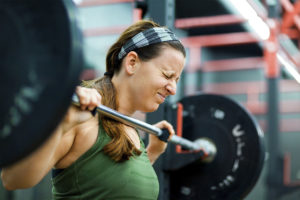
Impact of Training Through Pain
If your clients need more evidence that training while injured can be detrimental, new research suggests that the adverse effects on movement quality can linger even after an injury has fully healed.
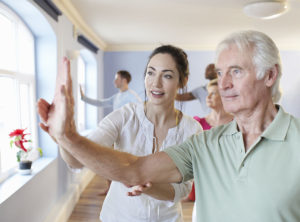
Personalized Tai Chi
Are customized routines really better than a standard protocol? One recent study posed this question in reference to tai chi: Is it better to offer a standard tai chi sequence or to individualize moves to a person’s needs?
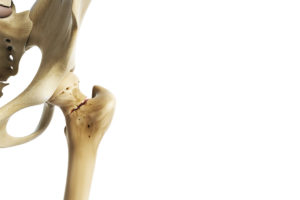
Hip Fracture Risks and Postmenopausal Women
Hip fractures have serious consequences, including an increased risk of death within the first year following the accident. Findings from a recent study offer good news on the benefits of physical activity for postmenopausal women.

A Strong Diaphragm for a Strong Core
When you think about exercising core muscles, do you remember your diaphragm? Its two main functions involve breathing and biomechanics, and it’s one of the most important muscles for maintaining intra-abdominal pressure (Nelson 2012). Intra-abdominal pressure is like a weight belt applied from the inside. If your body can’t regulate this pressure, you may experience poor motor control and lack of spinal stability. Plus, when the diaphragm is not properly engaged, other muscles must compensate, increasing your risk of injury.
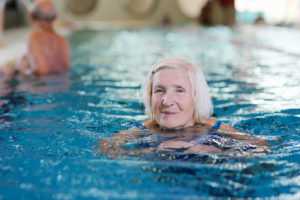
Aquatic Walking Benefits
Water exercise is a great alternative to treadmill or outdoor walking for people who experience discomfort when training on land.
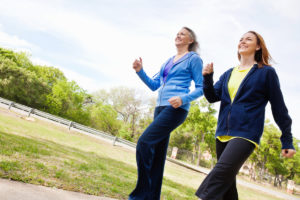
Midlife Gait Speed Linked With Lifelong Aging
How fast you walk at midlife may provide insight into your future physical and mental fitness. Researchers from Duke University in North Carolina and the University of Otago in New Zealand evaluated data from more than 1,000 male and female participants, who were assessed at intervals from birth to age 45 on factors including physical function, gait speed, aging pace and neurocognitive function.
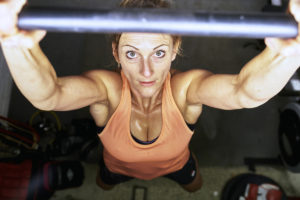
Best Focal Strategy for Weightlifting
The mental aspect of strength training is often given short shrift, but now a systematic review has analyzed relevant research to determine which most benefits weightlifting performance: focusing externally on the intended weightlifting result, focusing internally on the body or having no specific focus.