

Anatomy/Kinesiology
Shoulder Injury Prevention
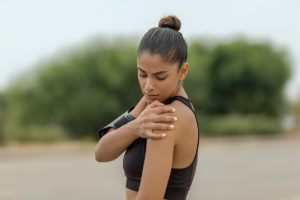
The 2022 Bern Consensus Statement provides best practice guidelines for clinicians, athletes and coaches for managing a shoulder injury.
Muscle Fiber Types and Training
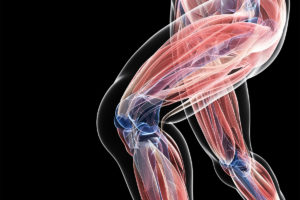
Experts debate whether and how muscle fiber types can be shifted through training. And training matters, according to a review study.
Lifting for Muscular Hypertrophy
This article provides you with the evidence-based tools to help clients make a strong start in increasing muscular hypertrophy.
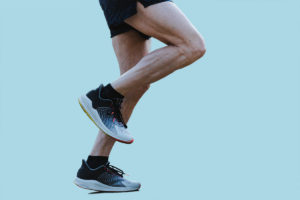
No Risk of Osteoarthritis from Physical Activity
New research adds to our understanding of the limited risks of physical activity and its connection to osteoarthritis.

Body Image in Menopause
During menopause, women experience a hormonal shift that can often be detrimental to their quality of life and body image. Physical changes in appearance, such as graying hair and wrinkles,…

Major Life Events Impact Physical Activity
Fit pros can boost clients’ health by coaching them to get more physical activity when they’re going through major life events.

Lower-Back Pain and High-Intensity Training
Exercise is known to be an effective treatment for chronic, nonspecific lower-back pain — a common malady experienced by millions.

More Exercise to Combat Heart Disease
People with heart disease can accrue additional health benefits with increasingly higher physical activity levels.
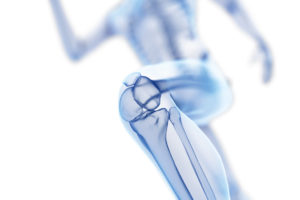
Strategies for Preventing Bone Loss
Know the basics of bone loss, and help your clients grow and retain the strongest bones possible with these training strategies.
5 Most Popular Articles in 2021
What piqued reader interest this past year? Here we recap our top 5 popular articles that received the most reads in 2021!

Fitness Trackers and Clients
Fitness trackers aren’t new. Remember when you first strapped on a heart rate monitor and synched it with your watch or cardio machine?

Female Athletes, Hormones and Training Adaptations
Scientists observed a different response pattern among female athletes who are naturally cycling and those on contraceptives.
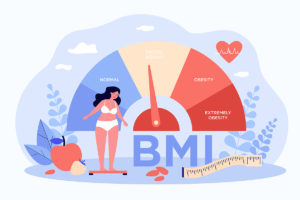
BMI Doesn’t Work for All People
The challenge for the use of BMI is that it’s not adjusted for known differences in body composition and risk factors for people of color.

Hiking: It’s For Everyone!
Telling a person to “take a hike,” used to be a bit of an insult, but sending someone on a trek is really more of a favor. Besides having physical benefits, hiking improves mental health by fostering a relationship with nature. Research shows that spending time among trees and the great outdoors reduces blood pressure, lowers cortisol and adrenaline levels, and amps up the immune system (Mitten 2016).

Genes and Exercise: Does it Matter?
Personal trainers understand that one program does not fit every client and that genes may play a role. Still, it can be frustrating when you have two clients who appear…
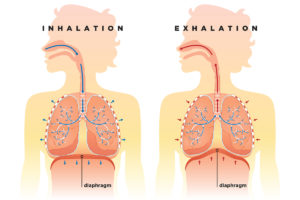
Diagramming the Diaphragm
Breathing, hiccups, abdominal thrusts—these are just some of the many actions that require the steady work of the diaphragm.

Parkinson’s Disease and Exercise
Is there a positive relationship between Parkinson’s disease and exercise? Yes! And personal trainers can make a real difference.

Power Training for Older Clients
Power training for your active agers can be a vital part of programming. By helping your clients maintain speed, you will do them the service of training them for the sport of life.