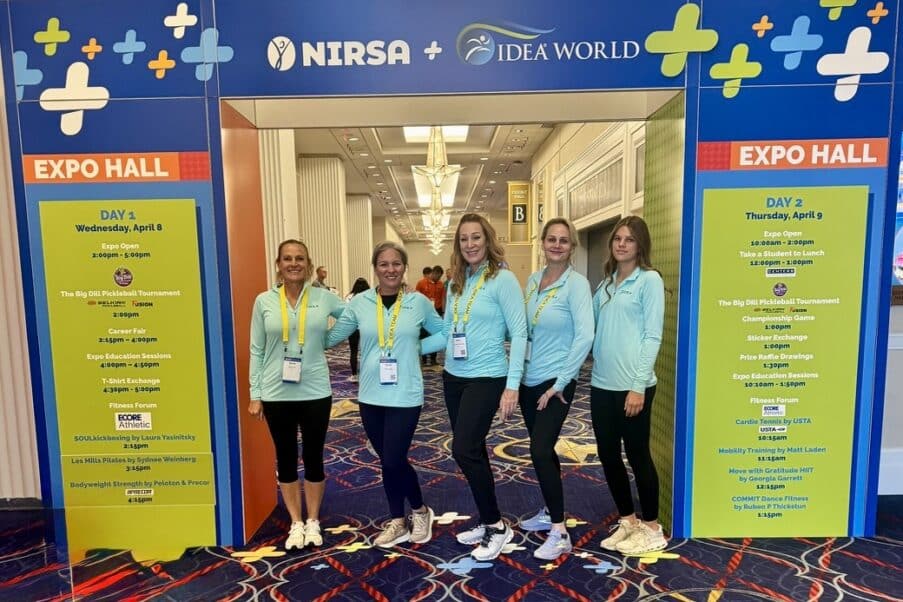

From Silence to Synergy: Insights from United Nations General Assembly #UNGA80 on NCDs, Mental Health, Obesity and Physical Activity

The 80th session of the United Nations General Assembly (UNGA80) marked a pivotal moment for global health policy. Governments, UN agencies, advocacy groups, industry leaders and youth organizations gathered in New York to negotiate a new political declaration on non‑communicable diseases (NCDs) and mental health. The statistics underpinning the discussions were stark: non‑communicable diseases such as cardiovascular diseases, cancers and diabetes caused about 43 million deaths in 2021 who.int, with 82 % of these premature deaths occurring in low‑ and middle‑income countries who.int. Mental‑health conditions affect more than one billion people worldwide who.int, and projections suggest that by 2035 more than four billion people—over half of humanity—could be affected by obesity uclahealth.org. Physical inactivity is pervasive: only one in three adults meets recommended activity levels and 81 % of youth globally are inactive decathlon-united.media.
In response, UNGA80 adopted a declaration recognizing physical activity as a core, cost‑effective health intervention decathlon-united.media and affirming that mental health cannot be separated from physical health unitedgmh.org. The following sections summarize four high‑level events that took place alongside the General Assembly and consider their implications for the fitness, sport, health and wellness sectors.
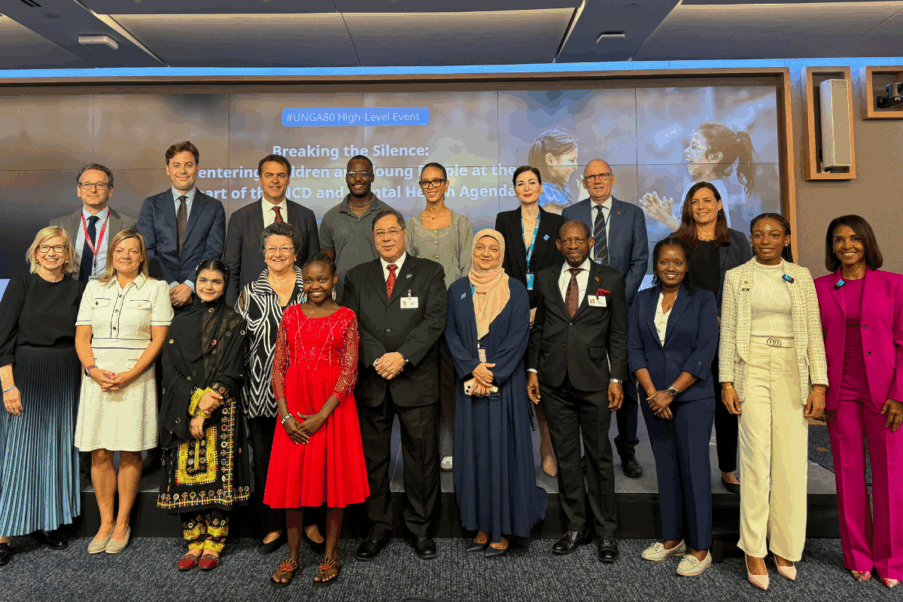
Breaking the Silence: Centering Children and Young People
Co‑sponsored by the Permanent Mission of St Kitts and Nevis and UNICEF, the side event “Breaking the Silence: Centering Children and Young People at the Heart of the NCD and Mental Health Agenda” aimed to ensure that youth voices inform commitments for the next high‑level meeting on NCDs and mental health nevispages.com. Speakers called for children and adolescents to be placed at the center of the global agenda, emphasizing sustainable financing and integrated, multisectoral solutions that link physical and mental well‑being nevispages.com.
Youth delegates described living with diabetes, depression and obesity and spoke about stigma and isolation. Their testimonies underscored that behind every statistic is a person and that policies must be grounded in lived experience. The session highlighted the interconnected nature of physical and mental health—a theme familiar to the fitness and wellness industry, where group classes and coaching often support emotional well‑being alongside physical fitness. Community‑based programs from the Caribbean, such as Caribbean Moves and SKN Moves, demonstrated how partnerships between governments, schools and community organizations can embed movement into daily life and reduce cost barriers nevispages.com. These initiatives offer models for other regions, though speakers cautioned that sustained financing and regulation of unhealthy products are necessary to maintain progress.
Lessons for the sector
The event underscored three lessons relevant to fitness and wellness professionals:
- Youth engagement is non‑negotiable. Policies crafted without young people risk irrelevance. Our programs should include youth advisory boards and integrate mental health and physical activity curricula in schools.
- Equity and access matter. Caribbean Moves and SKN Moves demonstrate how local governments can reduce cost barriers and create inclusive spaces for movement. Fitness professionals should partner with schools, community centers and local governments to offer accessible programs.
- Integration beats isolation. NCD prevention, mental health support and physical activity promotion cannot be siloed. Training for health and fitness professionals should include mental health first aid, nutrition and advocacy skills so that we can provide holistic support.
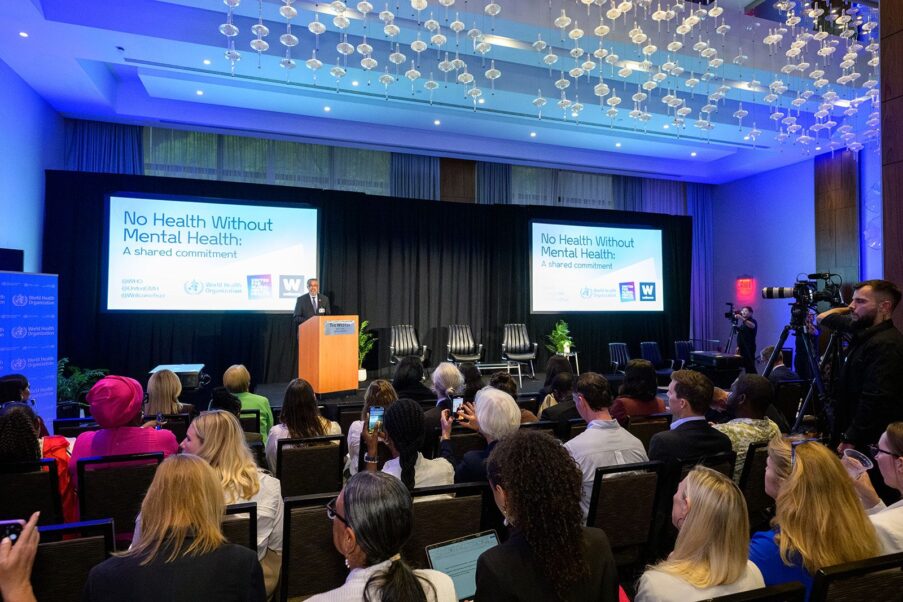
No Health Without Mental Health: A Shared Commitment
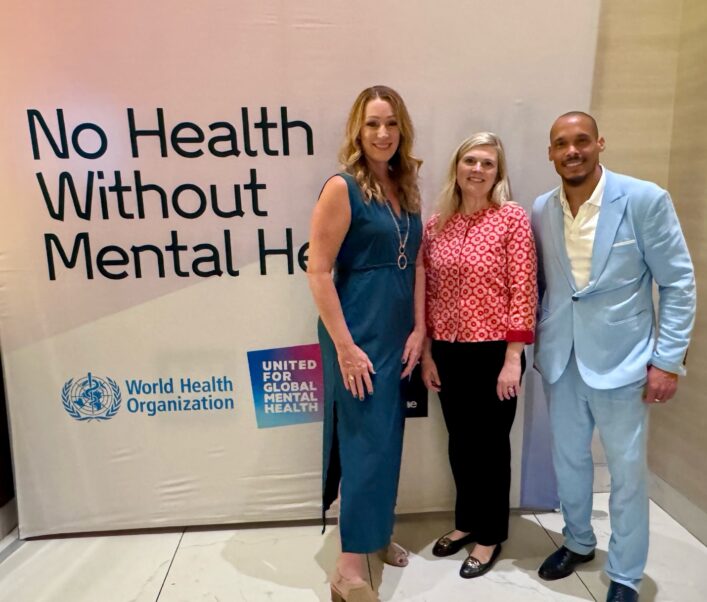
The side event “No Health Without Mental Health”, organized by the World Health Organization (WHO), the Wellcome Trust and United for Global Mental Health (UnitedGMH), brought together health ministers, first ladies, youth advocates and philanthropists to reinforce that mental health is integral to overall health. UnitedGMH set out five priorities that were incorporated into the draft declaration unitedgmh.org:
- Recognize social determinants of health. Health is shaped by circumstances in which people are born, grow, live and work. Policies addressing housing, education, employment and environmental justice are necessary to reduce mental‑health inequalities.
- Decriminalize and prevent suicide. Governments should repeal laws criminalizing suicide and invest in evidence‑based prevention, particularly for high‑risk groups.
- Shift to community‑based care. Integrating mental‑health services into primary care and community settings makes support more accessible and less stigmatizing.
- Invest in child and adolescent services. Multisectoral, rights‑based programs addressing early childhood development, school‑based interventions and trauma‑informed care are critical.
- Regulate harmful industries. Industries that undermine mental health—including tobacco, alcohol, fossil fuels, social‑media platforms and ultra‑processed food producers—must be regulated through marketing restrictions, taxation and labelling.
Speakers emphasized that commitments without financing and accountability are insufficient and that mental health intersects with NCDs and obesity. Depression and anxiety are more common among people with chronic conditions, while mental distress can make it harder to adopt healthy behaviors. The declaration also acknowledges digital harms—such as cyberbullying, misinformation and excessive screen time—that disproportionately affect young people who.int. Fitness and wellness professionals can help address these intersections by promoting healthy digital habits, integrating mental‑health support into programs and challenging misinformation online.hat commitments on paper must be backed by financing, workforce development and accountability.
Global Obesity Forum 2025: Four Billion Reasons for Urgent Action
At the Global Obesity Forum 2025 side event “For Half of Humanity: Four Billion Reasons We Need Urgent Action on Obesity,” organizers including the World Obesity Federation, WHO and UNICEF warned that by 2035 more than four billion people—over half of the world’s population—could be obese uclahealth.org. Obesity already contributes to diabetes, hypertension, cancer and other NCDs actonncds.org, and nearly 4 million deaths each year are linked to obesity actonncds.org. Children are particularly affected: obesity could impact over 200 million boys and 170 million girls within a decade, and the economic cost of obesity could exceed US$4 trillion annually by 2035 uclahealth.org.
Speakers criticized earlier drafts of the UN declaration for sidelining obesity despite its links to multiple chronic diseases. They argued that people with lived experience must be central to strategies and called for obesity to be treated as a core element of NCD policy apha.org.za. Proposed solutions include food‑system reform, nutrition policies, changes to the built environment and measures to reduce stigma. The forum welcomed the WHO’s new Acceleration Plan to Stop Obesity and the addition of GLP‑1 weight‑loss medications to the WHO Essential Medicines List apha.org.za. For the fitness and wellness sector, the event highlighted the need for holistic weight‑management programs that integrate physical activity, nutrition, behavioral support and mental‑health services, while fostering welcoming and non‑discriminatory environments.
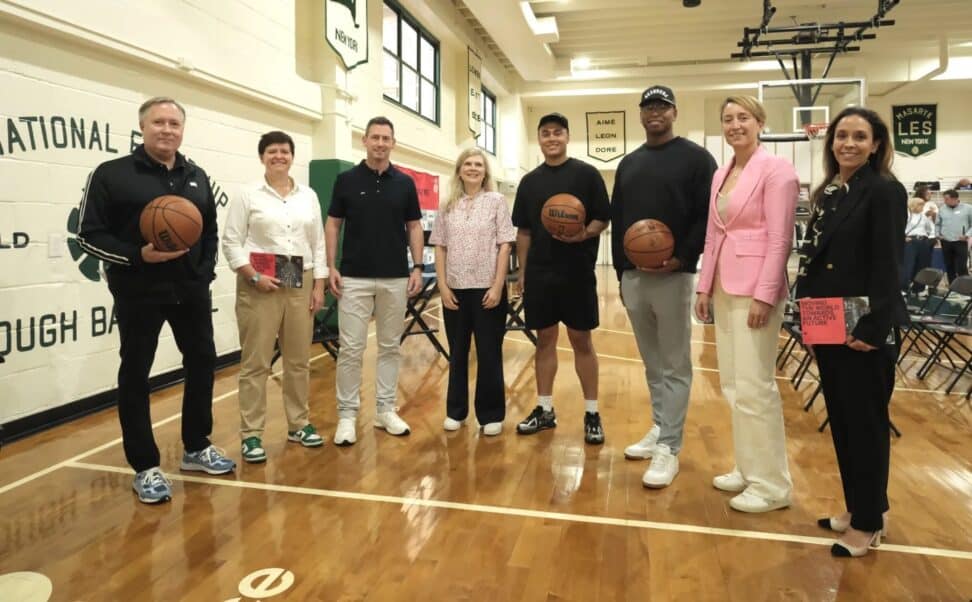
WFSGI Celebrates Physical Activity – Moving the World Towards a Healthy and Active Future
The World Federation of the Sporting Goods Industry (WFSGI) and leading sports brands—including New Balance, Nike, adidas, ASICS, Decathlon, Amer Sports, Shimano and Speedo—hosted “Moving the World Towards a Healthy and Active Future,” a celebration recognizing physical activity as a cost‑effective health intervention in the UN declaration decathlon-united.media. WFSGI leaders emphasized that the sporting‑goods industry has a responsibility to support young people and urged governments to honor their commitments wfsgi.org.
Speakers described physical inactivity as a “silent crisis”: only one in three adults meets recommended activity levels and 81 % of youth are inactive decathlon-united.media. If trends continue, the global cost of health‑care and lost productivity related to inactivity could exceed US$300 billion by 2030 decathlon-united.media. Programs showcased included community gyms training coaches, initiatives to build cycling cultures and efforts to provide opportunities for disadvantaged groups decathlon-united.media. WFSGI CEO Emma Zwiebler called on governments, NGOs and the private sector to accelerate implementation of the WHO Global Action Plan on Physical Activity decathlon-united.media. Other speakers noted that tariffs and rising costs threaten access to sporting goods, particularly for low‑income children decathlon-united.media; for example, in the United States only 24 % of children from households earning under $25,000 regularly participate in sports versus 44 % from households earning over $100,000 decathlon-united.media.
Interconnected Determinants and Equity
Across the four events, speakers highlighted how mental health, obesity and physical activity are deeply intertwined. Sedentary lifestyles, ultra‑processed diets and digital‑media environments contribute to both physical and mental‑health challenges. Children and adolescents are particularly vulnerable; they are targeted by marketing of unhealthy foods, exposed to social‑media pressures and often lack safe spaces to play. Experts called for confronting the commercial determinants of health—industries selling tobacco, alcohol, sugary drinks and highly processed foods, and social‑media platforms that profit from sedentary behavior unitedgmh.org. Policy tools include regulation, taxation, labelling and marketing restrictions, alongside advocacy from parents, teachers and community leaders.
Equity and lived experience were recurring themes. NCDs and obesity disproportionately affect low‑ and middle‑income countries and marginalized communities, and mental‑health services are often scarce unitedgmh.org. People with obesity report discrimination in health‑care, workplaces and media. Speakers urged programs that respect dignity, challenge stigma and amplify youth voices. They emphasized that no single sector can solve these challenges alone: governments must fund comprehensive policies, civil society must hold them accountable and industries must align business practices with public health.
Implications for the Fitness and Wellness Sector
The recognition of physical activity as essential medicine and the integration of mental health into global health policy have profound implications for the fitness and wellness sector. Organizations such as IDEA Health & Fitness Association and World Active can play a leading role in translating commitments into action. Key priorities include:
- Co‑design programs with youth and communities. Invite young people and those with lived experience of NCDs, obesity and mental‑health challenges to shape interventions. Their insights improve relevance and effectiveness.
- Integrate mental‑health support into fitness settings. Train professionals to recognize distress, partner with mental‑health organizations and normalize conversations about emotional well‑being. Classes and coaching sessions can become safe spaces for healing.
- Address obesity holistically and compassionately. Combine exercise with nutrition education, behavioral support and environmental advocacy. Focus on overall health rather than weight and support policies such as sugar‑sweetened beverage taxes, front‑of‑pack labelling and restrictions on junk‑food marketing who.int.
- Advocate for active environments and physical literacy. Work with urban planners, schools and transport departments to create walkable and bike‑friendly communities. Promote physical‑literacy curricula that teach fundamental movement skills and foster lifelong enjoyment of activity. Support initiatives that reduce cost barriers, such as equipment libraries and sliding‑scale pricing.
- Champion equity and affordability. Support policies that reduce financial barriers to sports and fitness. Partner with sporting‑goods companies to provide access for underserved groups and advocate for fair pricing.
- Build cross‑sector alliances and amplify advocacy. Collaborate with organizations such as WHO, UNICEF, UnitedGMH, the World Obesity Federation and WFSGI. Engage healthcare systems, schools, faith communities and local governments to integrate physical activity and mental‑health promotion into all aspects of life.
- Embrace evidence and accountability. Invest in professional development, participate in research and collect data to measure impact. Share outcomes transparently to refine strategies and build trust.
Regional example: Inspiring More Action Czech Republic
As an example, the Czech fitness sector joins forces under the national campaign Active September (Aktivní září) — a month-long celebration of physical activity coordinated by the Czechia Active Foundation (World Active Member) and the Czech Chamber of Fitness, with support from the Czech Olympic Committee and numerous partners from health, education, business, and local government.
In 2025, the campaign brought together over 1,100 events across the country, ranging from community walks and open fitness days to school challenges and corporate wellbeing programs. The shared goal was simple yet powerful: to remind people that movement is for everyone, everywhere, and at every age. Active September highlights how the fitness sector can act as a national driver of health promotion and disease prevention. By connecting gyms, schools, employers, and municipalities, the initiative builds bridges across sectors — turning fitness from a leisure activity into a cornerstone of public health and social wellbeing. The campaign continues to grow each year, inspiring thousands of Czechs to take their first active step — and showing Europe that national fitness initiatives can effectively support the WHO’s goal of reducing physical inactivity by 15% by 2030.
Conclusion
The high‑level meetings and side events at UNGA80 underscored a monumental shift in global health policy: recognition that physical activity, mental health and obesity are interconnected pillars of the public‑health agenda. While the statistics are daunting—millions of deaths from NCDs who.int, billions at risk of obesity uclahealth.org and a pandemic of physical inactivity decathlon-united.media—the commitments forged in New York offer hope. Progress will require coordinated action, funding and accountability. For the fitness, sport, health and wellness sectors, the moment is ripe to lead by supporting evidence‑based interventions, advocating for equitable access to movement, integrating mental‑health support and collaborating across sectors. The mission of movement for all has moved from aspiration to global imperative. By embracing these responsibilities, the industry can help turn UNGA80’s promises into healthier, more equitable communities worldwide.
Resources:
World Health Organization – https://www.who.int/news/item/26-09-2025-world-leaders-show-strong-support-for-political-declaration-on-noncommunicable-diseases-and-mental-health
World Obesity Federation – https://www.worldobesity.org/news/leaders-are-failing-on-obesity-and-the-world-cannot-afford-it
UNICEF – https://www.unicef.org/take-action/campaigns/un-general-assembly
United For Global Mental Health – https://unitedgmh.org/the-global-advocate/unitedgmh-at-the-4th-hlm-on-ncds-and-mental-health/
World Active – www.world-active.com
IDEA Health & Fitness Association – www.ideafit.com
Czech Active Foundation – www.komorafitness.cz
Czech Chamber of Fitness – www.aktivnicesko.cz
Czech Olympic Committee – www.olympic.cz