

Skills/Tools for Nutrition Specialization

Fit Tech in 2026: What Works, What Doesn’t, and Who It Serves
Technology is no longer an emerging trend in fitness. It is infrastructure. Most clients already use some form of fitness technology—smart watches, sleep trackers, training apps, virtual platforms. Many arrive…

Scope of Fuel: Coaching Nutrition Without Crossing the Line
In the age of Ozempic and Influencers, the most valuable tool in your kit isn’t a meal plan—it’s your scope of practice. Mike Fantigrassi, Head of Product, NASM It usually…

Environmental and Social Barriers to Physical Activity
When Movement Depends on Geography Two people can receive the same advice – “be more active” – and live in entirely different realities. One walks out their front door onto…

Data Without Context is Not Coaching
As technology and wearables proliferate, raw data alone does not improve outcomes without interpretation. Industry trend reports emphasize the importance of human expertise in translating metrics into meaningful decisions. Fitness…

Weight-Neutral Nutrition Conversations
Weight-neutral approaches emphasize health behaviors rather than scale outcomes, gaining traction as professionals seek more inclusive frameworks. This perspective shifts focus toward energy, strength, and function rather than weight change…

Teaching Food Literacy, Not Rules
Food literacy emphasizes understanding, skills, and context rather than rigid dietary rules. This approach supports autonomy and adaptability in real-world eating situations. Fitness professionals can reinforce food literacy by encouraging…

AI Tools Trainers are Actually Using
Artificial intelligence is reshaping coaching tools, not by replacing human expertise but by streamlining tasks like scheduling, communication, and personalization. Leading reports indicate that AI will increasingly support programming, member…

Hybrid Coaching Models
Demand for hybrid coaching models – blending in-person and remote support – persists as clients prioritize flexibility and continuity in their fitness journeys. Hybrid formats allow clients to receive personalized…

Wearables Fatigue and Data Overload
Wearable technology remains a top trend for 2026, but with increased use comes a risk of data fatigue. As devices track heart rate, sleep, steps, and more, clients may struggle…

January Momentum Is Built on Clarity, Not Motivation
January is often treated as a test of motivation; for clients AND for fitness professionals. Energy is high, goals are ambitious, and expectations tend to escalate quickly. Yet experience and…
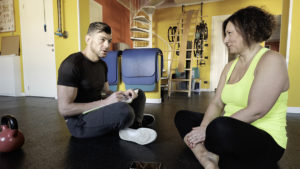
Behavior Change Check-Ins: A Smarter January Reset
January often brings renewed energy both for clients and fitness professionals alike. But it can also bring pressure. Expectations rise quickly, routines shift abruptly, and many clients feel an unspoken…

Digital, Self-Managed Training Faces Adherence Tests
As digital training platforms continue to evolve, new research is examining how adherence holds up without in-person support. These findings reinforce ongoing discussions about the limits of technology alone and…

Beyond Moderate-to-Vigorous Activity Metrics
Researchers are expanding how movement is defined and measured. Moving beyond traditional intensity thresholds, newer models examine total daily movement patterns and behavior integration, reflecting a broader understanding of how…

From Consideration to Commitment
Many individuals who seek out fitness facilities, consultations, or assessments are not undecided about whether physical activity matters. They are undecided about whether structured support is necessary, appropriate, or sustainable…

Fitness Apps Don’t Replace Trainers
Research shows users of a fitness app have modest, lasting gains. In a 24-month study of more than half a million Canadian fitness-app users, researchers found that offering small daily…

IDEA Career Success Workshop: Financial Foundations for Fitness Professionals
A thriving fitness career is built on passion, professionalism, and the ability to empower others. But behind every sustainable, fulfilling profession lies something equally important: financial stability. For many fitness…

Harnessing the Power of Visualization to Stay Committed to Your Fitness Routine
When you’re trying to stick with a fitness program; whether it’s working out three times a week, going for 10,000 steps a day, or hitting the weights consistently, motivation and…
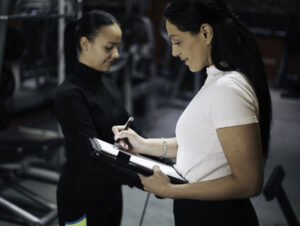
IDEA Career Success Workshop: Staying Safe and Legally Sound as a Fitness Professional
As a fitness professional—whether you’re a personal trainer, studio owner, or online coach – you’re not just shaping bodies; you’re managing legal responsibility. One minor accident or paperwork oversight can…
Empowering Your Studio with AI to be Smart, Safe and Strategic
As a fitness club or studio owner, AI (artificial intelligence) isn’t just a buzzword – it’s a powerful partner that can help elevate the member experience, optimize operations, and drive…
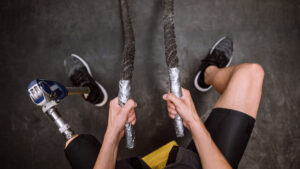
The Responsibility of Fitness Professionals in Building Welcoming Spaces for All
The concept of inclusivity has become a focal point in many sectors, from education and business to healthcare – and the fitness industry is no exception. Yet while the term…