
Gut–Brain Connection: Nutritional Support for Mood & Motivation
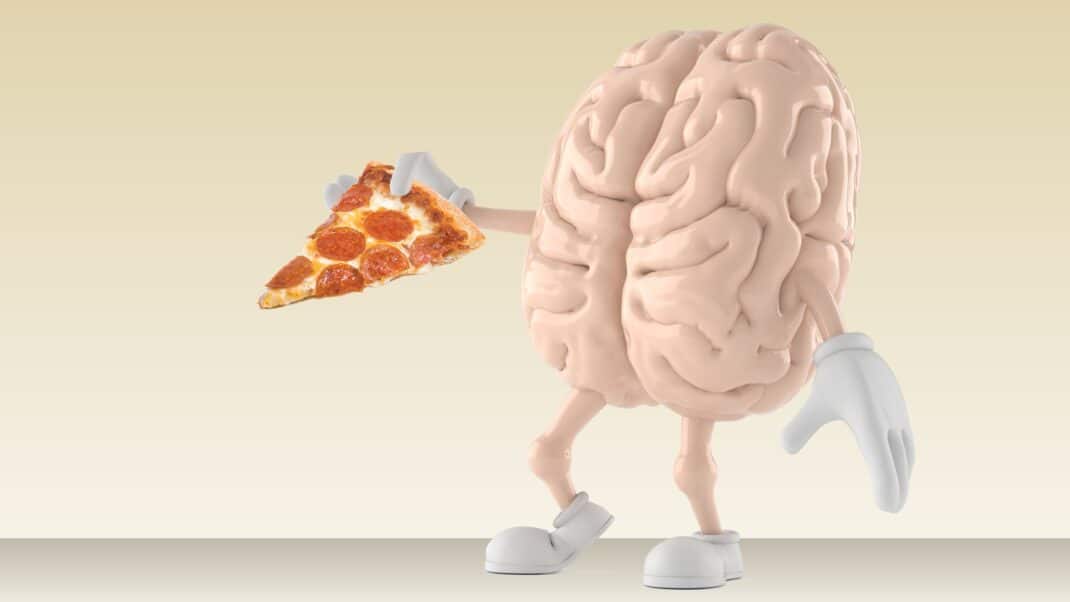
The gut and brain communicate through a dynamic two-way system that researchers increasingly recognize as central to digestion, emotional wellbeing and metabolic health (Harvard Health Publishing 2025). This relationship; often referred to as the gut–brain axis, involves hormones, neurotransmitters, immune signaling and the vast community of microbes that live in the gastrointestinal tract. When the gut environment is balanced, clients often experience steadier mood, clearer thinking and more consistent energy. When it is disrupted, however, studies show that inflammation and microbiome imbalance can contribute to fatigue, low mood, brain fog and even elevated cardiovascular risk (Hein et al. 2266).
For fitness professionals, these insights broaden the coaching conversation. Client progress is not only about repetitions, heart rates or macro targets; it also depends on resilience, emotional recovery and mental clarity. All of which are ingredients that support long-term adherence to movement and nutrition routines. Gut health becomes part of the “whole-person” picture that underpins sustainable behavior change.
Why Gut Health Matters for Motivation and Performance
A thriving gut ecosystem helps regulate serotonin production, stress responses and inflammation; factors linked with motivation and overall wellbeing. When clients experience digestive discomfort, inconsistent appetite or chronic stress, their training experience often shifts. They may feel less energized, less focused or more easily discouraged. Highlighting this connection validates their lived experience and opens supportive, nonjudgmental pathways for change.
Evidence-Informed, Scope-Appropriate Gut-Friendly Habits
Fitness professionals can stay within scope while helping clients cultivate nutrition and lifestyle habits that encourage a healthier gut environment. Small, daily shifts make a meaningful difference:
1. Fermented Foods
Foods like yogurt, kefir, kimchi, sauerkraut and miso introduce beneficial bacteria that support microbial diversity.
2. High-Fiber Produce
Vegetables, fruits, legumes and whole grains feed the gut microbiome, helping maintain a balanced environment. Aim for colorful variety to maximize nutrient density.
3. Prebiotics and Probiotics
- Prebiotics: bananas, onions, garlic, oats, asparagus
- Probiotics: fermented dairy or plant products
These work together to nourish and replenish the gut ecosystem.
4. Mindful Eating Practices
Slow, relaxed eating supports digestion by activating the parasympathetic nervous system. Encourage clients to sit down for meals, breathe between bites and minimize multitasking.
5. Stress-Minded Recovery
Gentle breathing exercises, mobility flows and restorative practices can reduce stress-driven disruptions in digestion, helping clients feel better both during sessions and throughout their day.
Reframing Food as Mood Support
Encourage clients to view meals not only as muscle fuel but also as mind-and-mood support. This framing reinforces a holistic coaching approach:
- Meals that stabilize energy also stabilize emotions.
- Foods that support digestion can support motivation.
- Consistency with nutrition can strengthen consistency with training.
This conversation fits naturally into fitness program discussions, lifestyle-focused plans and long-term habit coaching, helping clients see the value of small changes that influence whole-person health.
References
Harvard Health Publishing. “Unlock the Brain-Gut Connection for Better Digestion and Health.” Harvard Health Blog, 2 July 2025, www.health.harvard.edu/healthbeat/unlock-the-brain-gut-connection-for-better-digestion-and-health.
Hein, Zaw Myo, et al. “Intermittent Fasting as a Neuroprotective Strategy: Gut–Brain Axis Modulation and Metabolic Reprogramming in Neurodegenerative Disorders.” Nutrients, vol. 17, no. 14, 2025, p. 2266.