
Why Form Matters in the Standard Squat
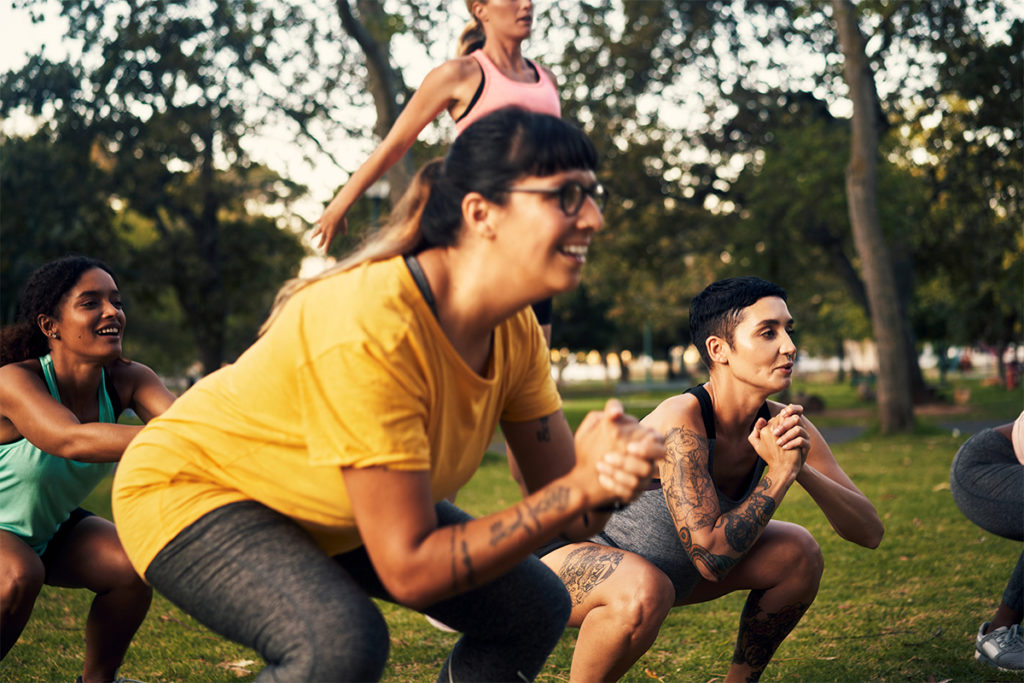
The squat is one of the most effective lower-body exercises—but only when it’s performed with sound technique. Poor form doesn’t just reduce results; it increases the risk of injury and reinforces inefficient movement patterns.
It Ensures the Right Muscles Do the Work
A well-executed squat primarily targets the glutes, quadriceps and hamstrings. When form breaks down—such as excessive forward lean or knees collapsing inward—other structures compensate. This shifts stress away from the intended muscles and onto joints like the knees and lower back, reducing training effectiveness.
It Protects the Spine and Joints
Neutral spine alignment is critical during a squat. Rounding the lower back (lumbar flexion) or over-arching excessively can place unnecessary stress on spinal structures. Similarly, improper knee tracking can strain ligaments and connective tissue. Good form distributes load evenly across the hips, knees and ankles, supporting long-term joint health.
It Builds Strength That Transfers
Quality movement patterns carry over into daily life and athletic performance. Sitting, lifting, climbing and running all rely on coordinated lower-body mechanics. Practicing proper squat form helps reinforce these patterns, making movement more efficient and resilient outside the gym.
It Supports Progressive Overload Safely
As load increases, technique becomes even more important. Solid form creates a stable foundation, allowing you to increase resistance, volume or intensity with confidence. Without that foundation, adding weight often magnifies existing imbalances or compensations.
Key Form Essentials to Focus On
- Maintain a neutral spine from head to pelvis
- Keep the chest lifted and core engaged
- Track knees in line with toes
- Sit back and down, distributing weight through the midfoot
- Move with control through the full range of motion
Bottom Line
The squat isn’t just about going lower or lifting heavier—it’s about moving well. Prioritizing form helps you build strength more effectively, reduce injury risk and develop movement patterns that support performance in and out of the gym.