
Ultra-Processed Foods and Mental Health Associations


Emerging nutritional epidemiology continues to explore the relationship between ultra-processed food intake and mental health outcomes. Recent systematic reviews report associations between higher consumption of ultra-processed foods and increased risk of depressive symptoms and anxiety disorders.
Researchers caution that observational designs limit causal conclusions. Nevertheless, dose-response trends appear consistent across diverse populations.
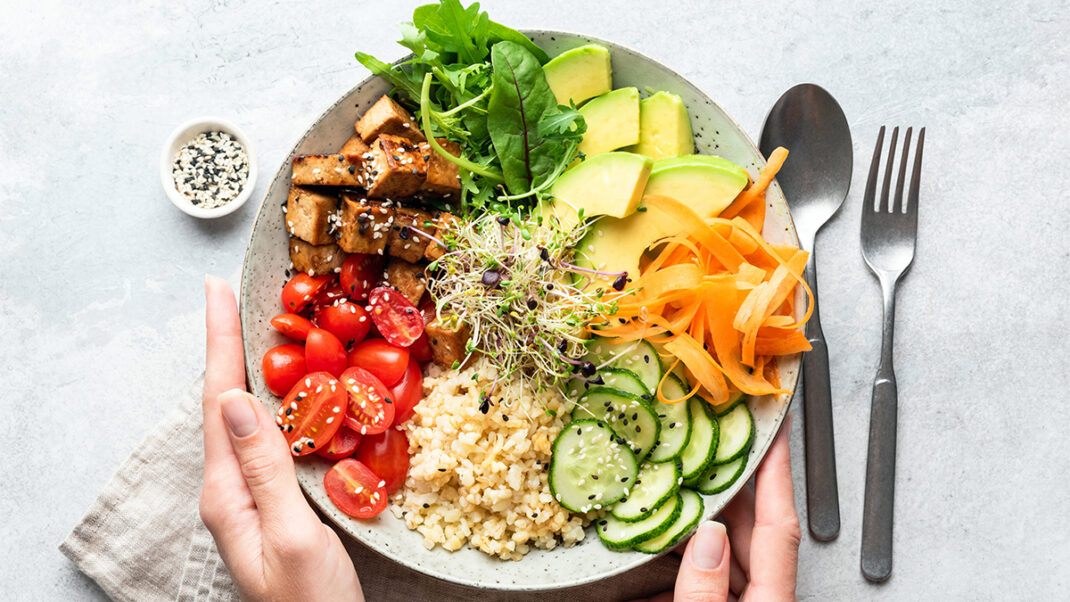
Experts increasingly emphasize dietary quality patterns that include minimally processed foods, adequate fiber, and stable meal timing rather than elimination of single ingredients.
References
Lane, Melissa M., et al. “Ultra-Processed Food and Mental Health.” Nutritional Neuroscience, vol. 25, no. 3, 2022, pp. 1–13.
Juul, Fransisca, et al. “Ultra-Processed Food Intake and Cardiovascular Disease.” BMJ, vol. 365, 2019, l1451.