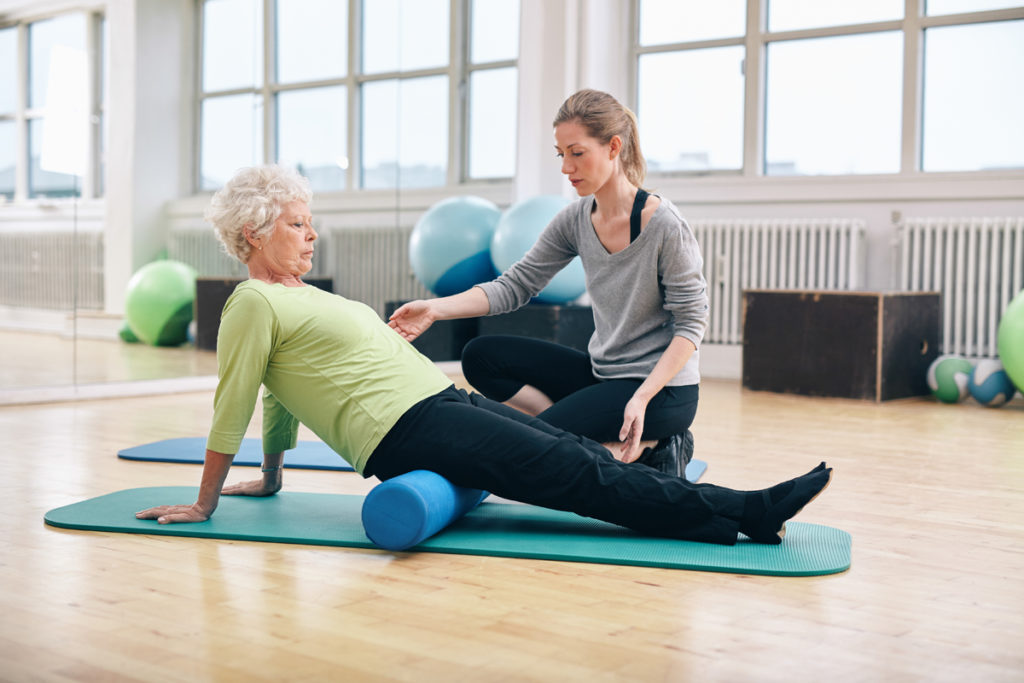

The First 10 Minutes: How to Build Warm-Ups That Improve Output and Reduce Risk


Why Warm-Ups Deserve More Attention
Warm-ups are often treated as transitional periods rather than meaningful components of training. Many clients view the first several minutes of a workout as something to “get through” before the real work begins. In busy training environments, warm-ups are frequently rushed, improvised or skipped entirely. This approach overlooks how strongly preparation influences movement quality, performance and recovery.
The first 10 minutes of a training session help determine how effectively the body transitions from daily life into physical output. Clients arrive carrying the residual effects of work stress, prolonged sitting, poor sleep, mental fatigue, travel and inconsistent movement patterns. A properly designed warm-up helps shift the body and nervous system into a state better suited for training demands.
Warm-ups also influence injury risk, particularly when clients move rapidly from inactivity into high-force or high-speed movement without gradually increasing tissue readiness and movement quality. At the same time, the role of the warm-up has evolved.
Traditional warm-ups often emphasized generic low-intensity movement followed by static stretching regardless of the client, activity or session goal. Modern research and coaching practice now support more targeted approaches that prepare the specific systems and movement patterns required for the training session ahead.
An effective warm-up is not simply about increasing body temperature. It is about improving readiness.
That readiness may involve:
- Increasing tissue temperature
- Improving joint mobility
- Activating underutilized musculature
- Rehearsing movement patterns
- Improving coordination
- Enhancing psychological focus
- Gradually increasing nervous system output
The challenge for fitness professionals is balancing effectiveness with efficiency. Most clients are not willing to spend 30 minutes warming up before a 45-minute workout. Warm-ups therefore need to be targeted, purposeful and adaptable to different training demands.
The goal of this course is to help fitness professionals understand how to build warm-ups that improve performance, enhance movement quality and reduce unnecessary injury risk while still fitting within realistic training environments.
What Warm-Ups Actually Do
Warm-ups are often described broadly as preparation, but the physiological and neurological changes occurring during an effective warm-up are more specific than many clients realize.
The body does not move from rest to peak performance instantly. Several physiological and neurological systems must gradually transition as activity increases, including tissue temperature, circulation, joint lubrication, neuromuscular coordination and psychological readiness.
Temperature
One of the most immediate effects of a warm-up is an increase in muscle and tissue temperature. As temperature rises, muscles generally become more elastic and contractile processes occur more efficiently. Increased tissue temperature also improves enzymatic activity associated with energy production and muscular contraction.
Warmer muscles typically demonstrate improved force production and faster contraction speed compared to cold tissue. This becomes particularly important during explosive or high-force activities where rapid muscular response is required.
Temperature also influences tissue extensibility. Colder muscles and connective tissues often feel stiffer and less responsive during movement. As temperature increases, movement generally becomes smoother and more coordinated.
This is one reason clients frequently report feeling restricted or sluggish during the first several minutes of exercise before movement preparation has occurred.
Environmental conditions, time of day and sedentary behavior all influence baseline tissue temperature. Clients training early in the morning or after prolonged sitting often require more gradual preparation before higher-output movement begins.
Circulation
Warm-ups also improve circulation and blood flow to working tissues.
As movement begins, heart rate and cardiac output gradually increase, allowing more oxygen and nutrients to reach active musculature. Improved circulation also supports removal of metabolic byproducts generated during exercise.
This transition is important because abrupt high-intensity activity performed without gradually increasing circulatory demand may create unnecessary cardiovascular strain and reduce movement efficiency during the early stages of exercise.
Improved circulation also enhances tissue readiness by increasing nutrient delivery and supporting thermoregulation. In practical settings, clients often describe this process as “feeling loosened up” or “finally getting moving.”
Gradual cardiovascular preparation is especially important for:
- Older adults
- Deconditioned clients
- Clients training in cold environments
- High-intensity interval training
- Athletic populations performing explosive activity
The goal is not to create exhaustion, but rather to prepare the cardiovascular system progressively for increasing workload.
Joint Lubrication
Movement preparation also influences joint function. Synovial joints rely on fluid movement and pressure changes to improve lubrication and nutrient distribution within the joint structure. During low-intensity movement, synovial fluid becomes more evenly distributed across articular surfaces.
This process may help improve movement comfort and reduce sensations of stiffness during exercise. Clients who remain sedentary for prolonged periods often experience reduced movement variability and temporary joint stiffness. Warm-ups that gradually move joints through controlled ranges of motion help restore movement options before loading occurs.
Joint preparation becomes particularly important for:
- Older adults
- Clients with sedentary occupations
- Resistance training sessions
- Dynamic change-of-direction activities
- Clients returning from injury
It is important to recognize that joint preparation is not simply about stretching aggressively before exercise. Controlled movement through usable ranges of motion is often more beneficial than passive flexibility work alone.
Neuromuscular Coordination
Neuromuscular coordination refers to the communication between the nervous system and muscular system during movement. Efficient movement requires precise timing and sequencing of muscular activation patterns. Warm-ups help improve this coordination by gradually increasing movement complexity, force demands and motor control requirements.
Clients who move immediately from inactivity into high-speed or high-force activity often demonstrate poorer coordination, slower reaction time and inconsistent movement mechanics. Movement rehearsal during warm-ups allows the nervous system to progressively organize movement patterns before higher-intensity exercise begins.
This is especially important for:
- Olympic lifting
- Plyometric training
- Sprinting
- Agility work
- Multi-joint strength exercises
Neuromuscular preparation also influences positional awareness and movement confidence. Clients who feel coordinated and physically prepared are more likely to move efficiently and aggressively during the workout itself.
Psychological Readiness
Warm-ups are not purely physiological. They also influence psychological readiness. Many clients begin workouts carrying residual stress, mental fatigue or distraction from work and daily responsibilities. The first several minutes of movement provide an opportunity to transition attention toward the training environment. This shift in focus affects exercise quality more than many clients realize.
Attention, concentration and emotional state all influence:
- Coordination
- Reaction time
- Exercise execution
- Decision-making
- Effort quality
Clients who feel rushed, distracted or mentally overwhelmed often demonstrate poorer movement control and lower training quality. Warm-ups that gradually increase intensity while creating rhythm and focus can improve both confidence and perceived readiness.
For some clients, especially those experiencing high psychological stress, mental readiness may become a greater limiting factor than physical preparedness. A well-designed warm-up therefore prepares both the body and the mind for effective training and creates this transition intentionally.
Increasing Tissue Temperature
One of the primary effects of a warm-up is increasing muscle and tissue temperature.
Warmer tissue generally demonstrates:
- Improved elasticity
- Faster contractile response
- Improved circulation
- Increased enzymatic activity
- Better force production
Clients who begin intense exercise without gradually increasing tissue temperature may feel stiff, restricted or slow during the early portion of a session. This is particularly common during early morning training, cold environments, high stress periods and sedentary workdays. The purpose of increasing tissue temperature is not simply to create sweating. It is to improve readiness for higher-output movement.
Nervous System Preparation
Warm-ups also influence the nervous system. Explosive movement, strength production and coordination depend heavily on efficient neural communication. Clients who move directly from inactivity into high-force movement often demonstrate slower reaction time, reduced coordination and inconsistent movement quality.
Progressively increasing movement complexity and intensity allows the nervous system to transition more effectively into performance-oriented activity. This becomes especially important during power training, speed work, agility drills, Olympic lifting, plyometric training and heavy strength sessions where timing, coordination and force production matter significantly.
Nervous system readiness also affects confidence. Clients who feel coordinated and physically prepared are more likely to move aggressively and efficiently during training.
Joint and Movement Preparation
Modern lifestyles create movement restrictions that influence exercise quality. Clients may arrive at training sessions after prolonged sitting, repetitive movement patterns, elevated stress levels and long periods of physical inactivity. These habits often reduce movement variability and create stiffness or positional restrictions that influence exercise quality. Warm-ups help restore movement options before loading occurs.
This does not mean warm-ups need to become corrective exercise sessions. However, targeted mobility and movement preparation can improve movement quality during the workout itself. For example, improving thoracic mobility and scapular control before upper-body pressing often improves movement mechanics and reduces compensatory patterns.
Psychological Transition
Warm-ups also serve a psychological function. Clients can arrive mentally distracted, emotionally fatigued or stressed from work and family demands. The first several minutes of movement provide an opportunity to shift attention toward the training environment.
This transition matters because focus influences:
- Exercise execution
- Reaction time
- Coordination
- Effort quality
- Safety awareness
A rushed start often produces rushed movement and warm-ups can therefore improve not only physiological readiness but also mental engagement.
Knowledge Check
Which of the following best describes the primary purpose of an effective warm-up?
A. Maximizing calorie expenditure before the workout begins
B. Creating fatigue before strength training
C. Improving readiness for the specific demands of the training session
D. Replacing movement-specific preparation with static stretching
Common Warm-Up Mistakes
Many warm-ups fail not because warm-ups themselves are ineffective, but because they are disconnected from the actual demands of the session. Clients frequently rely on random mobility drills, generic treadmill walking or prolonged stretching routines that have little connection to the actual demands of the training session. In other cases, warm-ups become excessively conditioning-focused and create unnecessary fatigue before meaningful work even begins. These approaches may increase movement, but they do not always improve readiness.
Mistake 1: Warm-Ups That Create Fatigue
One of the most common mistakes is confusing sweating with preparation. Some clients believe a warm-up should feel exhausting in order to be effective. High-intensity circuits, prolonged conditioning or excessive plyometrics performed too early can reduce performance during the actual training session. Warm-ups should increase readiness, not create unnecessary fatigue.
This distinction is especially important for strength sessions, speedwork, high skill movement, older clients and deconditioned populations. The goal is activation and preparation rather than energy depletion.
Mistake 2: Using the Same Warm-Up for Every Client
A universal warm-up rarely addresses the needs of every client.
For example:
- A sedentary office worker may require more mobility preparation
- An athlete may require nervous system activation and speed preparation
- An older client may need longer movement transitions
- A hypertrophy-focused session may require different preparation than a sprint session
Effective warm-ups reflect both the individual and the session demand.
Mistake 3: Overusing Static Stretching
Static stretching is not inherently harmful, but prolonged stretching immediately before explosive or maximal-force activity may temporarily reduce force output in some situations. This does not mean static stretching should never be used. Instead, fitness professionals should understand context.
Static stretching may be appropriate for clients with severe mobility restrictions, cool downs, separate mobility sessions and specific range of motion goals. However, dynamic movement preparation is often more useful immediately before strength and performance-oriented training.
Mistake 4: Skipping Movement Rehearsal
Many warm-ups increase heart rate but fail to rehearse actual movement patterns. Clients benefit from gradually practicing squatting, hinging, rotating, bracing, accelerating and decelerating before adding meaningful load or speed. Movement rehearsal improves both coordination and confidence.
Mistake 5: Ignoring Psychological Readiness
Some clients require more psychological preparation than physical preparation. Highly stressed individuals may struggle to transition mentally into training even when physically capable. Warm-ups that include controlled breathing, gradual pacing and movement rhythm can improve focus and reduce perceived overwhelm.
This is especially useful for clients who train after work, have high stress levels, feel mentally fatigued or demonstrate inconsistent focus during sessions.
Applied Scenario
A client arrives after sitting at a desk for nine hours and immediately begins heavy squats after two minutes on a bike.
Identify three potential limitations of this warm-up approach.
The Components of an Effective Warm-Up
Effective warm-ups are structured rather than random. While the exact format may vary depending on the client and training goal, most successful warm-ups include several common elements. These components build progressively rather than independently.
Component 1: General Movement Preparation
The first stage of a warm-up typically involves low-to-moderate intensity movement designed to increase circulation, tissue temperature and overall readiness. This may include walking, cycling, rowing, light skipping or dynamic locomotion depending on the client and session goal. The goal is gradual transition rather than immediate intensity.
For most clients, this stage lasts between two and five minutes depending on training environment, time of day and individual readiness.
Component 2: Mobility and Range-of-Motion Preparation
Mobility preparation should target the joints and movement patterns most relevant to the upcoming session.
For example:
- Hip mobility before lower-body training
- Thoracic mobility before upper-body pressing
- Ankle mobility before squatting and landing mechanics
Mobility drills should generally emphasize controlled movement rather than passive stretching alone. Dynamic approaches often improve readiness more effectively because they combine mobility with motor control.
Component 3: Activation
Activation drills help increase awareness and recruitment of specific musculature. This does not mean every warm-up requires extensive band work or corrective exercise sequences.
However, targeted activation may help clients who consistently demonstrate poor glute contribution, scapular instability, trunk control deficits or reduced positional awareness. Activation drills should remain purposeful and brief. Excessively long activation sequences often reduce efficiency without improving outcomes.
Component 4: Movement Rehearsal
Movement rehearsal bridges the gap between preparation and training. Clients should gradually practice the movement patterns required during the session using reduced load, controlled tempo, simpler variations and lower intensity. This stage improves coordination and reinforces movement quality before higher output begins.
For example, a lower-body strength session may progress through:
- Bodyweight squats
- Goblet squats
- Empty bar squats
- Working sets
This progression allows the nervous system and movement mechanics to gradually adapt to increasing demand.
Component 5: Neural Potentiation
Higher-performance sessions may include neural potentiation strategies designed to increase nervous system readiness such as explosive medicine ball throws, low volume jumps, sprint buildups and fast concentric movement patterns.
The goal is not fatigue but improved power expression. Potentiation is particularly useful before sprint work, powerlifting, Olympic lifting and high-speed training.
Knowledge Check
Which warm-up component best prepares the body for the specific movement patterns required during the workout?
A. Movement rehearsal
B. Static stretching only
C. Passive recovery
D. Extended cardiovascular conditioning
Correct Answer: A
Warm-Ups for Different Client Types
Not all clients require the same warm-up structure.
An effective warm-up reflects:
- Training goal
- Training age
- Injury history
- Mobility limitations
- Recovery status
- Time of day
- Psychological readiness
Fitness professionals should avoid treating warm-ups as one-size-fits-all templates.
Sedentary General Population Clients
Clients who spend most of the day sitting often require more movement preparation than highly active individuals. They commonly demonstrate reduced hip mobility, limited thoracic rotation, poor trunk stability and decreased movement variability.
Warm-ups for this population should emphasize gradual movement transitions and mobility under control. A rushed start often leads to compensatory movement patterns during loaded exercise.
Older Clients
Older clients may require longer transition periods, additional balance prep, gradual intensity increased and extended movement rehearsal.
Joint stiffness, slower tissue response and reduced recovery capacity often influence readiness. This does not mean warm-ups need to become excessively cautious. However, abrupt transitions into high-force movement are often less effective.
Strength and Power Athletes
Higher-performance populations generally require more nervous system preparation emphasizing progressive loading, explosive movement, neural activation and technical rehearsal. Power athletes may also require longer ramp-up periods before maximal output.
Group Fitness Participants
Group settings create additional challenges because instructors must prepare multiple ability levels simultaneously.
Effective group warm-ups often:
- Progress gradually
- Include scalable movement options
- Rehearse session patterns
- Avoid early fatigue accumulation
Clear coaching cues become especially important in these environments.
High-Stress Clients
Clients experiencing elevated psychological stress may benefit from warm-ups that emphasize pacing and regulation rather than immediate intensity. These warm-ups may include controlled breathing, rhythmic movement and gradual pacing strategies that help clients transition mentally into training. In some cases, psychological readiness becomes the limiting factor rather than physical capacity.
Applied Practice
Choose one client population you work with regularly.
Describe how their warm-up needs differ from another population you coach.
Warm-Ups for Different Training Goals
Training goals influence warm-up structure. The warm-up for a maximal strength session should not look identical to the warm-up for a conditioning circuit or mobility-focused class.
Strength Training Warm-Ups
Strength-focused sessions benefit from:
- Gradual load progression
- Joint preparation
- Bracing rehearsal
- Movement-specific warm-up sets
The closer training intensity moves toward maximal loads, the more important progressive preparation becomes. Warm-up sets themselves are part of the warm-up process.
Hypertrophy Sessions
Hypertrophy-focused sessions often require less neural potentiation than maximal strength or power training. However, movement quality and tissue readiness still matter.
These warm-ups typically emphasize:
- Local tissue preparation
- Joint mobility
- Controlled movement rehearsal
- Moderate activation work
Conditioning Sessions
Conditioning-focused warm-ups should prepare:
- Heart rate response
- Movement rhythm
- Joint tolerance
- Breathing patterns
Abrupt transitions into high-intensity intervals often reduce movement quality and increase injury risk.
Speed and Power Training
Explosive training places high demands on the nervous system.
Warm-ups for these sessions often require:
- Progressive acceleration
- Elastic tissue preparation
- Fast ground-contact rehearsal
- Explosive low-volume movement
These sessions typically require longer warm-up periods than lower-intensity workouts.
Mobility-Focused Sessions
Mobility-oriented training may use slower warm-up progressions emphasizing control and range of motion. However, movement quality should still remain active rather than passive whenever possible.
Knowledge Check
Why should warm-ups differ between training goals?
A. Because all warm-ups should maximize fatigue before exercise
B. Because the demands placed on the body differ across training types
C. Because mobility work should replace strength preparation entirely
D. Because warm-ups are primarily psychological rather than physical
Correct Answer: B
Time-Efficient Warm-Ups
One of the most common challenges fitness professionals face is time. Clients often arrive late, train during lunch breaks or feel unwilling to spend significant time preparing before exercise.
As a result, many warm-ups become either rushed, skipped or overly complicated and unrealistic. The solution is not eliminating preparation. It is improving efficiency.
Focus on the Session Goal
Time-efficient warm-ups prioritize the demands most relevant to the upcoming workout.
For example:
- A lower-body strength session may prioritize hip and ankle preparation
- A sprint session may prioritize acceleration mechanics
- A pressing session may emphasize thoracic mobility and scapular control
Not every limitation must be addressed in every session.
Use Integrated Movement
Integrated movements often improve efficiency because they address multiple needs simultaneously.
For example, a dynamic lunge with rotation may improve hip mobility, thoracic mobility, trunk control and coordination within a single drill.
Avoid Excessive Corrective Complexity
Corrective exercise has value, but warm-ups are not the place for lengthy low-transfer drill sequences. Clients are more likely to remain consistent when warm-ups feel purposeful and directly connected to training.
Build Consistent Structures
Clients adapt more effectively when warm-ups follow predictable structures. This does not mean using the exact same drills every session.
However, maintaining consistent flow improves coaching efficiency as well as client confidence, session pacing and skill acquisition.
The 10-Minute Model
Many effective warm-ups can be completed in approximately 10 minutes using a structure such as general movement preparation, dynamic mobility, activation, movement rehearsal and finally progressive loading or potentiation. The goal is quality rather than quantity.
Applied Scenario
A client only has 45 minutes total for training.
Design a simple 10-minute warm-up structure for a lower-body strength session.
Coaching and Cueing During Warm-Ups
Warm-ups provide valuable opportunities for coaching. Because movement intensity is lower during warm-ups, clients are often more receptive to technical feedback, breathing instruction and positional adjustments. This creates an opportunity for fitness professionals to reinforce movement quality before heavier loading or higher-speed activity begins.
Warm-ups also allow coaches to observe how clients are moving on a particular day. Stiffness, poor coordination, asymmetries or reduced focus may become visible during preparation and influence how the session should progress.
Observation Opportunities
Warm-ups often reveal movement asymmetries, mobility restrictions, balance limitations and compensatory patterns that may not be as obvious once training intensity increases.
These observations help guide programming decisions and coaching emphasis while also helping coaches identify when clients may need reduced intensity or additional preparation.
Avoid Over-Coaching
At the same time, excessive cueing can overwhelm clients. Warm-ups should not become technical lectures. Effective cueing should remain brief, clear and directly connected to the movement being performed. Too many cues delivered simultaneously often overwhelm clients and reduce movement quality rather than improving it.
In most cases, one or two focused coaching points are more effective than attempting to correct every movement issue at once.
Reinforcing Confidence
Warm-ups can also influence confidence and readiness. Clients who feel coordinated and prepared often move more aggressively and efficiently during training. Fitness professionals should reinforce smooth progression, controlled execution and readiness rather than creating fear around movement.
This becomes especially important for older clients, previously injured individuals, deconditioned populations and clients returning after time away from training. Confidence and perceived readiness strongly influence how aggressively and efficiently clients move during the rest of the session.
Building Routine and Consistency
Consistent warm-up structures also improve psychological readiness. Ritual and familiarity help clients transition mentally into training. This can improve focus, confidence, adherence and overall session quality.
Warm-ups are therefore not separate from training. They are part of the training experience itself. When preparation becomes consistent and intentional, clients often begin viewing the first several minutes of movement as valuable rather than optional.
Final Knowledge Check
Which coaching approach is most effective during warm-ups?
A. Providing as many technical cues as possible at once
B. Avoiding all feedback until working sets begin
C. Using brief, relevant coaching cues while observing movement quality
D. Prioritizing fatigue over movement preparation
Correct Answer: C
The First 10 Minutes Shape the Rest of the Session
Warm-ups are often overlooked because they are not viewed as “real training.” In practice, however, the quality of preparation strongly influences movement quality, performance, confidence and recovery throughout the entire session.
The first 10 minutes provide an opportunity to transition clients physically and psychologically into training. Effective warm-ups improve readiness by increasing tissue temperature, rehearsing movement patterns, preparing the nervous system and improving focus.
At the same time, warm-ups should remain efficient and purposeful. Excessively long or random preparation sequences often reduce adherence and disconnect preparation from the actual demands of training.
Fitness professionals should instead build warm-ups that:
- Reflect the session goal
- Match the client’s needs
- Improve movement quality
- Support readiness without excessive fatigue
- Reinforce long-term training consistency
When preparation is approached intentionally, warm-ups become more than filler. They become one of the most valuable coaching opportunities in the entire session.
References
American College of Sports Medicine. (2021).
ACSM’s guidelines for exercise testing and prescription (11th ed.). Wolters Kluwer.
Behm, D. G., Kay, A. D., Trajano, G. S., Alizadeh, S., & Blazevich, A. J. (2021).
Effects of stretching on performance and injury risk: An updated systematic review. Applied Physiology, Nutrition, and Metabolism, 46(11), 1383–1395. https://doi.org/10.1139/apnm-2021-0301
Bishop, C., Turner, A., & Read, P. (2020).
Effects of inter-limb asymmetries on physical and sports performance: A systematic review. Journal of Sports Sciences, 36(10), 1135–1144. https://doi.org/10.1080/02640414.2017.1361894
Blazevich, A. J., & Babault, N. (2021).
Post-activation potentiation versus post-activation performance enhancement in humans: Historical perspective, underlying mechanisms, and current issues. Frontiers in Physiology, 10, 1359. https://doi.org/10.3389/fphys.2019.01359
Cormie, P., McGuigan, M. R., & Newton, R. U. (2022).
Developing maximal neuromuscular power: Part 1—Biological basis of maximal power production. Sports Medicine, 41(1), 17–38. https://doi.org/10.2165/11537690-000000000-00000
Dos’Santos, T., Thomas, C., Jones, P. A., & Comfort, P. (2021).
Assessing muscle-strength asymmetry via a unilateral stance isometric squat test. International Journal of Sports Physiology and Performance, 12(4), 505–511. https://doi.org/10.1123/ijspp.2016-0179
Fullagar, H. H. K., Skorski, S., Duffield, R., Hammes, D., Coutts, A. J., & Meyer, T. (2020).
Sleep and athletic performance: The effects of sleep loss on exercise performance and physiological and cognitive responses to exercise. Sports Medicine, 50(2), 161–186. https://doi.org/10.1007/s40279-019-01173-9
Granacher, U., Lesinski, M., Büsch, D., Muehlbauer, T., Prieske, O., Puta, C., & Behm, D. G. (2021).
Effects of resistance training in youth athletes on muscular fitness and athletic performance: A conceptual model for long-term athlete development. Frontiers in Physiology, 7, 164. https://doi.org/10.3389/fphys.2016.00164
Haff, G. G., & Triplett, N. T. (2022).
Essentials of strength training and conditioning (5th ed.). Human Kinetics.
Kellmann, M., Bertollo, M., Bosquet, L., Brink, M., Coutts, A. J., Duffield, R., Erlacher, D., Halson, S. L., Hecksteden, A., Heidari, J., Kallus, K. W., Meeusen, R., Mujika, I., Robazza, C., Skorski, S., Venter, R., & Beckmann, J. (2020).
Recovery and performance in sport: Consensus statement. International Journal of Sports Physiology and Performance, 15(2), 240–245. https://doi.org/10.1123/ijspp.2019-0439
Moran, J., Sandercock, G. R. H., Ramírez-Campillo, R., Meylan, C., Collison, J., & Parry, D. A. (2021).
Age-related variation in male youth athletes’ countermovement jump after plyometric training. Journal of Strength and Conditioning Research, 31(2), 552–565. https://doi.org/10.1519/JSC.0000000000001444
Page, P. (2021).
Current concepts in muscle stretching for exercise and rehabilitation. International Journal of Sports Physical Therapy, 7(1), 109–119.
Peake, J. M., Neubauer, O., Walsh, N. P., & Simpson, R. J. (2020).
Recovery of the immune system after exercise. Journal of Applied Physiology, 122(5), 1077–1087. https://doi.org/10.1152/japplphysiol.00622.2016
Sands, W. A., McNeal, J. R., Murray, S. R., Ramsey, M. W., & Stone, M. H. (2020).
Dynamic, static stretching, warm-up, and performance. Journal of Strength and Conditioning Research, 26(1), 298–304. https://doi.org/10.1519/JSC.0b013e318225cb27
Silva, J. R., Rumpf, M. C., Hertzog, M., Castagna, C., Farooq, A., Girard, O., & Hader, K. (2021).
Acute and residual soccer match-related fatigue: A systematic review and meta-analysis. Sports Medicine, 48(3), 539–583. https://doi.org/10.1007/s40279-017-0798-8
Suchomel, T. J., Nimphius, S., & Stone, M. H. (2020).
The importance of muscular strength in athletic performance. Sports Medicine, 46(10), 1419–1449. https://doi.org/10.1007/s40279-016-0486-0
World Health Organization. (2020).
WHO guidelines on physical activity and sedentary behaviour. World Health Organization.