

Research/News

Fueling for Participation
Fitness professionals frequently encounter a familiar pattern. A client begins an exercise program with enthusiasm, trains consistently for several weeks, then gradually reports fatigue, persistent soreness, irritability, or declining motivation….

Protein Distribution vs. Total Intake
Debate continues regarding whether evenly distributing protein across meals improves muscle protein synthesis compared to consuming the majority at one sitting. Recent controlled trials indicate that while total daily protein…

Ultra-Processed Foods and Mental Health Associations
Emerging nutritional epidemiology continues to explore the relationship between ultra-processed food intake and mental health outcomes. Recent systematic reviews report associations between higher consumption of ultra-processed foods and increased risk…

Energy Availability Beyond Elite Athletes
Low energy availability has long been studied in elite endurance athletes, but recent research suggests the concept extends well beyond high-performance sport. Recreational exercisers, particularly women balancing training, work, and…

Ultra-Processed Foods: Dose, Context, and Pattern
Ultra-processed food consumption continues to be associated with elevated cardiometabolic risk in large population studies. However, emerging analyses highlight dose-response relationships rather than binary categorization. Moderate inclusion within otherwise nutrient-dense…

Creatine Beyond Muscle Performance
Creatine supplementation research has expanded beyond strength and power metrics. Recent studies suggest potential roles in cognitive performance under sleep deprivation, bone mineral density support when paired with resistance training,…

Sodium Intake in Active Populations
General sodium reduction guidance remains appropriate for sedentary and hypertensive populations. However, emerging research suggests highly active individuals—particularly endurance athletes in hot environments—may require individualized sodium strategies to maintain hydration…

Omega-3 Fatty Acids: Dose Matters
Evidence supporting omega-3 fatty acids for cardiovascular health continues to evolve. Recent meta-analyses suggest that clinically meaningful triglyceride reductions often require higher therapeutic doses than typically consumed in over-the-counter supplementation….

Intermittent Fasting and Sustainability
Time-restricted eating patterns remain popular. Recent comparative trials indicate similar weight and metabolic outcomes when total caloric intake is matched to traditional meal timing approaches. Sustainability and adherence appear more…

Artificial Sweeteners and Metabolic Impact
Research examining non-nutritive sweeteners continues to produce mixed findings. Some observational studies associate high consumption with altered glucose regulation, while randomized controlled trials often demonstrate neutral or modest substitution benefits…

Early Childhood Nutrition Patterns and Long-Term Metabolic Risk
Longitudinal cohort research increasingly suggests that early dietary exposures shape long-term metabolic trajectories. Dietary patterns established in early childhood—particularly patterns high in ultra-processed foods, sugar-sweetened beverages, and low fiber intake—have…

Hydration, Cognitive Function, and Training Quality
Hydration status is often framed in performance contexts, yet emerging research highlights broader cognitive and perceptual implications. Even mild dehydration of approximately 1–2% of body weight loss has been associated…

Personalized Nutrition: Promise, Limitations, and Practical Application
The concept of personalized nutrition—tailoring dietary recommendations based on genetics, microbiome composition, or metabolic biomarkers—has gained considerable public attention. Emerging research does confirm individual variability in glycemic response, lipid metabolism,…
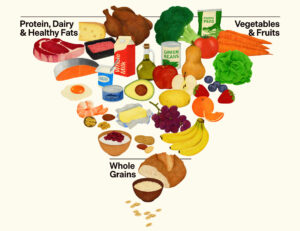
What the Updated Food Pyramid Means for Active Adults
Dietary guidance frameworks commonly referred to as the “food pyramid” have evolved repeatedly over the past several decades. While the original pyramid graphic has been replaced by newer models, the…

The 2026 Outlook: Why Science is the Ultimate Trend
If 2025 was the year of disruption, 2026 is the year of integration. For decades, we have operated in the “Gym Industry.” It was a world defined by aesthetics, transformation…

Protein Intake: Are we overcorrecting?
Protein has become one of the most emphasized nutrients in fitness and wellness conversations, often positioned as a universal solution for satiety, muscle preservation, and body composition. While research supports…

Interpreting New Nutrition Headlines
Nutrition headlines frequently highlight single studies or dramatic findings without sufficient context. This can prompt reactionary changes that are unsupported by broader evidence. Fitness professionals can help clients understand that…

Worth the Hype? Functional Beverages Under the Microscope
Functional beverages have become a prominent fixture in fitness environments, marketed with claims related to energy, focus, hydration, recovery, gut health, and stress regulation. From electrolyte blends and adaptogenic drinks…

Fueling Without Fixation
A growing body of nutrition research emphasizes the importance of supporting training and health without reinforcing rigid or obsessive eating behaviors. While structure can be helpful, overly prescriptive approaches such…

Nutrition Confusion as a Barrier to Action
Nutrition confusion remains one of the most significant yet least visible barriers to behavior change. Clients are exposed to a constant stream of conflicting messages about carbohydrates, fats, supplements, fasting,…