
Nature Is the Original Gym
Outdoor training challenges the body in new ways, improves mental well-being and reminds us that fitness did not begin inside four walls.

Movement Started Outdoors
Long before treadmills, weight machines and climate-controlled training spaces existed, human movement took place outside. Walking long distances, climbing uneven terrain, carrying loads and running across varied landscapes were not fitness activities. They were daily survival tasks. The human body developed strength, endurance, balance and coordination in response to natural environments rather than engineered ones.
Modern exercise culture has largely moved indoors. Gyms offer convenience, predictable conditions and access to equipment that support structured training. They also make physical activity accessible regardless of weather, time of day or location. For many people, they remain an essential part of a consistent fitness routine.
Yet the experience changes when exercise moves outdoors. Natural environments introduce variety that machines cannot replicate. Surfaces shift underfoot. Terrain rises and falls. Wind, sunlight and temperature add environmental context to movement. These elements subtly alter the physical and psychological experience of exercise.
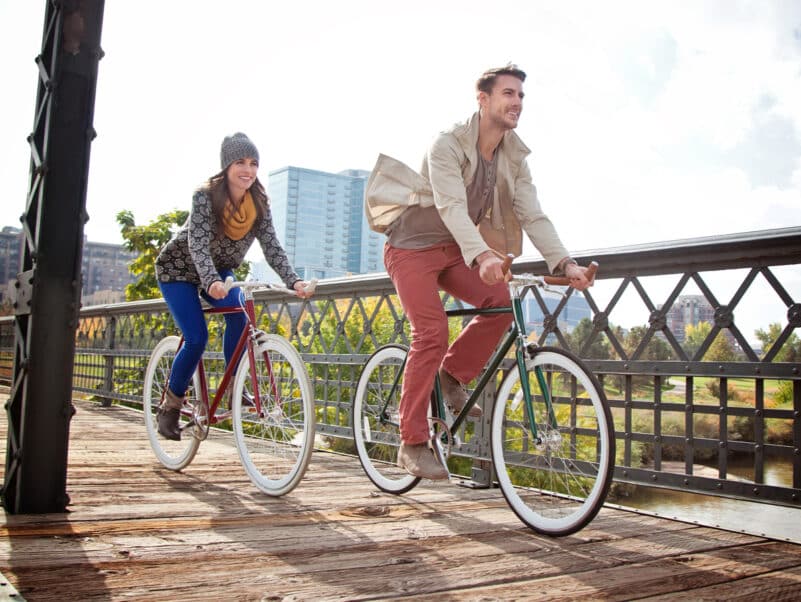
Earth Day offers a useful reminder that movement and environment are closely connected. Parks, trails, open fields, beaches and even neighborhood streets provide spaces where exercise can unfold in ways that feel different from a typical gym session. Training outdoors does not replace structured programs or indoor equipment. Instead, it expands the range of environments where movement can occur.
For many individuals, stepping outside can reintroduce an element of exploration that is sometimes lost in repetitive indoor routines.
Why Outdoor Exercise Feels Different
People often report that outdoor workouts feel easier or more enjoyable than similar sessions performed indoors. Research exploring “green exercise,” a term used to describe physical activity performed in natural environments, suggests that outdoor movement can influence psychological responses to exercise.
Exposure to natural environments has been associated with improvements in mood and reductions in perceived stress. Even brief periods of outdoor activity may produce measurable shifts in emotional state. Natural scenery, open space and exposure to daylight appear to create a mental contrast to indoor work environments that often involve screens, artificial lighting and prolonged sitting.
This psychological shift can influence how exercise feels during the activity itself. Some studies suggest that individuals report lower perceived exertion when performing comparable workloads outdoors compared with indoors. In other words, a walk or run performed outside may feel less mentally taxing than the same effort on a treadmill.
Outdoor exercise can also enhance motivation. Natural environments introduce novelty and variation. Routes change. Terrain varies. Weather and seasonal conditions alter the experience of familiar locations. These differences can reduce the sense of repetition that sometimes accompanies indoor routines.
For individuals who struggle with consistency, this change in environment can make a meaningful difference. Exercise becomes less about completing a scheduled task and more about engaging with a place.
Natural Terrain Changes the Training Stimulus
Outdoor environments do more than improve mood; they also introduce physical variables that change how the body moves.
Indoor surfaces are designed to be predictable. Gym floors are flat and stable, treadmills maintain a consistent speed and resistance machines guide movement along fixed paths. These features can be useful for learning technique and managing load.
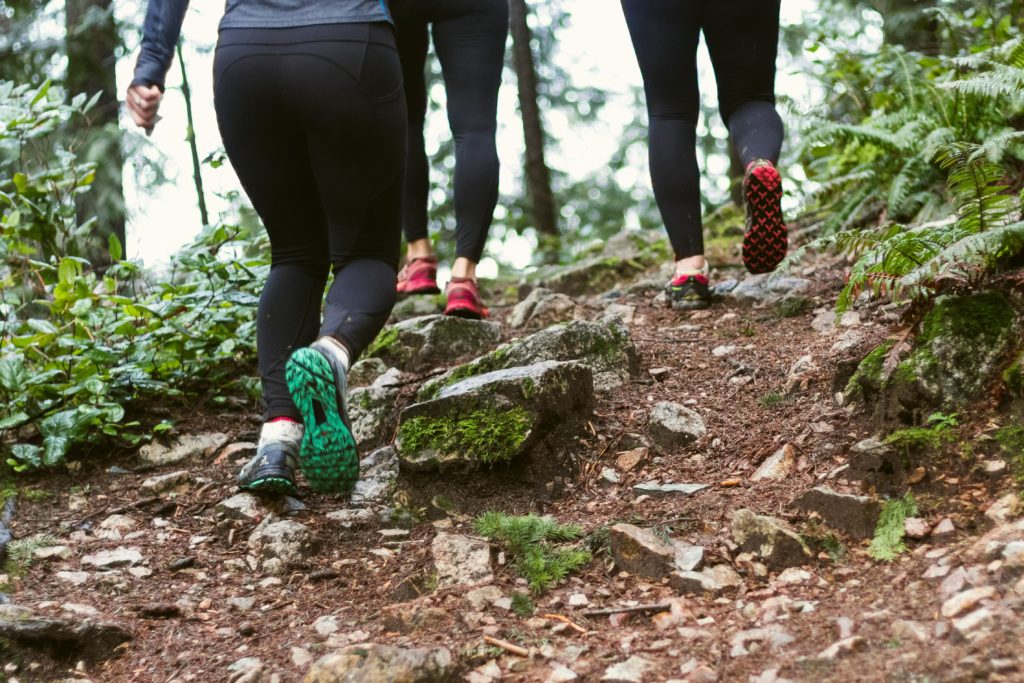
Natural terrain operates differently. Grass, dirt trails, gravel paths and sand each create subtle instability. Small variations in surface height require constant adjustments in balance and coordination. Muscles that stabilize the hips, ankles and core often work harder to maintain control on uneven ground.
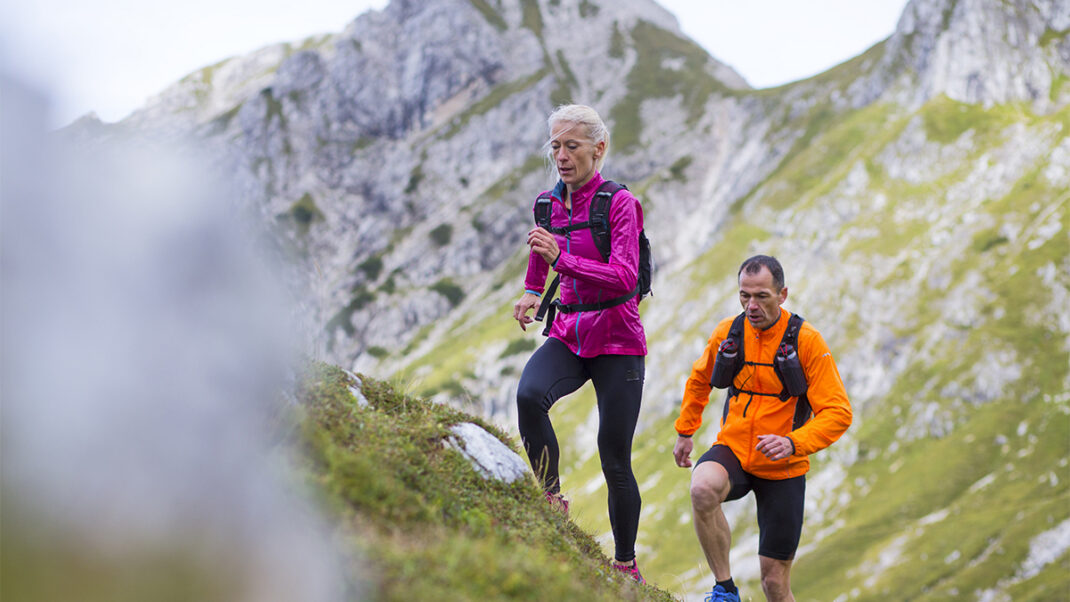
Hills introduce another variable. Running or walking uphill increases muscular demand in the lower body and elevates cardiovascular effort. Descending hills challenges eccentric strength and coordination. Unlike treadmill incline settings, natural slopes vary in length and steepness, creating more dynamic movement patterns.
Outdoor environments can also provide natural resistance. Sand increases energy cost during walking and running. Stairs or stadium steps add vertical challenge. Tree branches, park benches and low walls can function as improvised equipment for bodyweight exercises.
These variations do not require complicated programming. They expand the range of movement challenges available during a workout.
Simple Outdoor Training Ideas
Outdoor exercise does not need to involve elaborate planning or specialized gear. Many effective workouts require little more than comfortable footwear and access to a safe outdoor space.
Walking Workouts
Walking remains one of the most accessible forms of outdoor exercise. A simple interval structure can increase intensity without requiring running.
For example:
- Walk briskly for three minutes
- Increase pace or climb a hill for one minute
- Repeat for 20 to 30 minutes
Adding short strength stops can transform a walk into a full-body session. Every five minutes, pause for exercises such as squats, lunges, pushups against a bench or standing calf raises.
Park Circuit Training
Parks often contain built-in features that work surprisingly well for circuit training.
A simple circuit might include:
- Step-ups on a bench
- Bodyweight squats
- Incline pushups against a railing
- Walking lunges across a grassy field
- Plank holds
Moving continuously between stations creates both strength and cardiovascular stimulus.
Trail Workouts
Trails offer natural interval opportunities. Alternating between faster and slower segments can produce an effective endurance session.
Examples include:
- Hiking quickly for two minutes, then slowing to a recovery pace for one minute
- Running the uphill sections of a trail and walking the descents
- Carrying a light backpack during hikes to increase load
These sessions can be scaled for beginners or experienced exercisers by adjusting pace and distance.
Outdoor Mobility Sessions
Not every outdoor workout needs to be intense. Parks and open spaces also provide ideal environments for mobility and recovery sessions.
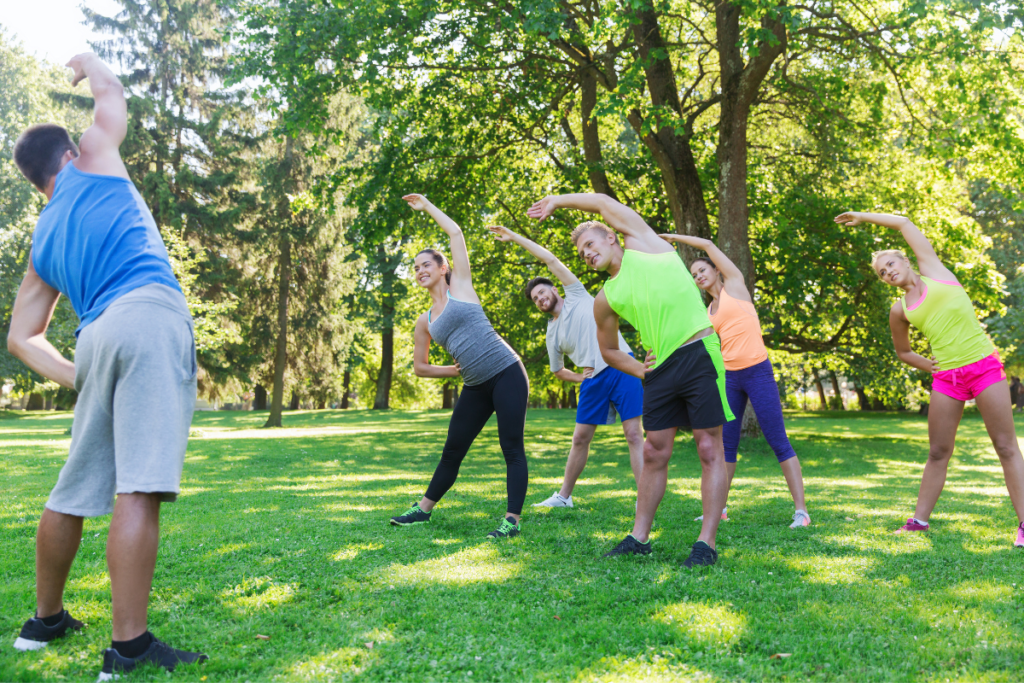
Short routines focused on hip mobility, thoracic rotation and gentle stretching can become restorative outdoor breaks during busy weeks. Exposure to daylight and fresh air can enhance the relaxing quality of these sessions.
Outdoor Training for Groups and Clients
Outdoor environments also create opportunities for social exercise. Group workouts held in parks or community spaces can introduce a different atmosphere than indoor classes.
Small group training sessions may include rotating stations spread across a park. Participants move through bodyweight strength exercises, walking intervals or short agility drills. The open environment allows for creative layouts that might not be possible inside a gym.
Walking groups provide another accessible option. Many communities have informal groups that meet regularly to walk together. These gatherings combine physical activity with social connection, which can increase adherence for participants who prefer shared experiences.
Trainers working with clients outdoors should consider several practical factors. Weather conditions influence clothing, hydration needs and session structure. Surfaces should be evaluated for safety, particularly when introducing balance or agility drills. Access to shade and water can become important during warmer months.
With careful planning, outdoor sessions can provide variety without sacrificing structure.
Making Outdoor Exercise a Habit
For many people, outdoor training works best when it complements rather than replaces indoor exercise. A balanced approach might include gym-based strength sessions during the week and outdoor movement on weekends.
Seasonal changes also influence how outdoor exercise fits into a routine. Warmer months provide opportunities for longer outdoor sessions such as hikes, bike rides, or park workouts. During colder seasons, even brief outdoor walks can provide mental refreshment between indoor activities.
Even short outdoor sessions can be effective. A fifteen-minute walk outside during a lunch break or a quick park circuit before dinner may provide both physical activity and a mental reset.
The goal is not to abandon structured training environments. Instead, it is to recognize that movement does not need to occur exclusively within them.
Exercise programs often focus on sets, repetitions, and training plans. These elements are essential for building strength and improving fitness. Yet the environment where movement occurs also shapes the experience of exercise.
Natural spaces provide variety, sunlight, fresh air and terrain that challenge the body in subtle ways. They can also shift the emotional tone of a workout, transforming exercise from a scheduled obligation into an opportunity to spend time outdoors.
Earth Day reminds us that the landscapes surrounding our communities are more than scenery. They are spaces where movement can occur freely and creatively. For many people, the most accessible training environment may already exist just outside their door.
References
Barton, Jo, and Jules Pretty. “What Is the Best Dose of Nature and Green Exercise for Improving Mental Health? A Multi-Study Analysis.” Environmental Science & Technology, vol. 44, no. 10, 2010, pp. 3947–3955.
Calogiuri, Giovanna, and Lene Thoresen Lygre. “Green Exercise and Psychological Health.” Sports Medicine, vol. 46, no. 4, 2016, pp. 529–547.
Gladwell, Valerie F., et al. “The Great Outdoors: How a Green Exercise Environment Can Benefit All.” Extreme Physiology & Medicine, vol. 2, no. 3, 2013.
Kondo, Michelle C., et al. “Urban Green Space and Its Impact on Human Health.” International Journal of Environmental Research and Public Health, vol. 15, no. 3, 2018.
Lahart, Ian, et al. “The Effects of Green Exercise on Physical and Mental Wellbeing: A Systematic Review.” International Journal of Environmental Research and Public Health, vol. 16, no. 8, 2019.
Niedermeier, Martin, et al. “Nature-Based Interventions and Physical Activity for Mental Health.” Sports Medicine, vol. 49, no. 4, 2019, pp. 601–614.
Pretty, Jules, et al. “Green Exercise in the UK Countryside: Effects on Health and Psychological Wellbeing.” International Journal of Environmental Health Research, vol. 17, no. 5, 2017.
Thompson Coon, Jonathan, et al. “Does Participating in Physical Activity in Outdoor Natural Environments Have a Greater Effect on Physical and Mental Wellbeing Than Physical Activity Indoors?” Environmental Science & Technology, vol. 45, no. 5, 2011, pp. 1761–1772.
Twohig-Bennett, C., and A. Jones. “The Health Benefits of the Great Outdoors: A Systematic Review and Meta-Analysis of Greenspace Exposure and Health Outcomes.” Environmental Research, vol. 166, 2018, pp. 628–637.
World Health Organization. WHO Guidelines on Physical Activity and Sedentary Behaviour. World Health Organization, 2020.