

Skip to content

Buy or Bye: Chia Seed

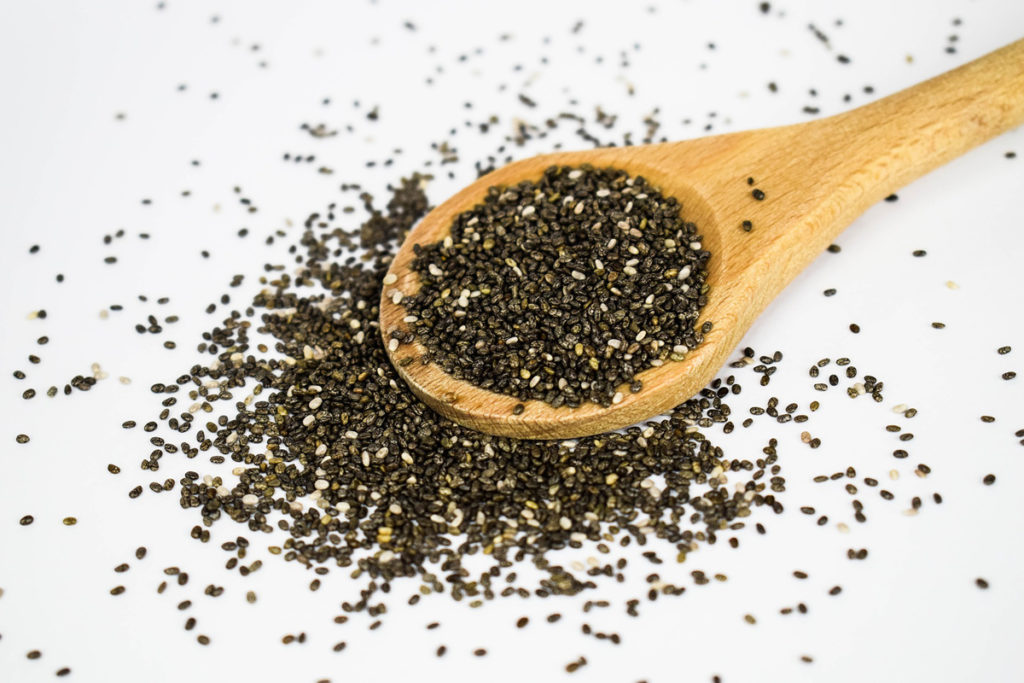
Infamously hawked as a novelty product to the tune of Ch-ch-ch-chia!, chia seeds have experienced a renaissance as a functional food. The diminutive seeds of the Salvia hispanica plant, native to Mexico, are no longer considered just a niche food as they have become much more popular and common. One could rightfully argue they are proof that great things can come in small packages.

The Upside: Chia is fatty in a good way. Only roughly 11% of the fat present in chia seed is saturated, with the rest being more health-benefiting monounsaturated and polyunsaturated. In

the case of chia, the most notable polyunsaturated fat is alpha-linolenic acid (ALA), a form of omega-3 fatty acid that is essential to human health. An analysis of data from 41 studies published in The BMJ linked a high intake of alpha-linolenic acid to a 10% lower risk of all-cause mortality, an 8% lower risk of death from cardiovascular disease and an 11% reduced risk of death from coronary heart disease, compared with lower consumption levels. Each 1-ounce serving of chia (about 2 1/2 tablespoons) supplies about 5 grams of ALA, which is more than twice the daily requirement for this nutrient. The little seed should also be considered a fiber heavyweight, with a mere tablespoon serving delivering about 4 grams of fiber. Chia delivers a trio of micronutrients that are necessary to maintain healthy bones: calcium, magnesium, and phosphorus. And nutrition analysis has revealed they deliver a range of potentially useful antioxidants, including caffeic acid, rosmarinic acid, myricetin, and quercetin.

Some also laud chia for its environmental stewardship. For instance, it can lower the water footprint of the food we eat. Being somewhat drought resistant, it grows robustly in arid regions with low-quality soils and requires little irrigation once established making chia less of a water hog than many other crops including tree nuts.

The Downside: Nutritionally and environmentally, it’s hard to find fault with chia. But if there was one complaint that some would hurl at the seeds are their expense – chia seed can be fairly costly, especially if choosing those certified organic. And not all grocers carry the product making it hard to source for some people. Plus, the seem to stick to everything when wet, including kitchen sponges.

The Verdict: There seems to be little reason not to encourage people to regularly include a dose of chia into their diet. But, if needed, there are other ways someone could source the nutrients they contain. For instance, less expensive flax seed is also a good source of fiber and the fat ALA. Chia seeds have a very mild flavor and can be added to both sweet and savory dishes. Eating more chia can be as simple as sprinkling them over your oatmeal, yogurt, salads and roasted vegetables. You can also whiz them into your smoothies for a nutritional boost and incorporate them into homemade energy bars and balls. The high amount of soluble fiber in chia forms a gel when mixed with liquid. A quirk that you can take advantage of to make healthier fruit jams.


Matthew Kadey, MS, RD

Matthew Kadey, MS, RD, is a James Beard Award–winning food journalist, dietitian and author of the cookbook Rocket Fuel: Power-Packed Food for Sport + Adventure (VeloPress 2016). He has written for dozens of magazines, including Runner’s World, Men’s Health, Shape, Men’s Fitness and Muscle and Fitness.


Related Articles