

Programming

Sample Class: Barre-Cardio-Core
When you take the strong, efficient movements of barre and mix in cardiovascular intensity and a comprehensive core routine, you get a winning combination that appeals to a wide variety of people. Traditional barre classes use small, repetitive movements from a standing posture to work on balance while strengthening the lower body. Simultaneously, the upper body receives graceful range-of-motion benefits. These movements prepare the body to progress to more intense cardio work, and the core section challenges the center from all directions.

Outdoor Workouts Without Equipment
It’s that time of year when springtime reinvigorates clients and participants, coaxing them to come out of hibernation and play. Why not leave the fluorescent lights behind and take class outside? Parks, fields, even parking lots are great places to lead outdoor workouts. There are options for everyone—and you don’t have to lug around a bunch of equipment, either. Maximize your time and space by incorporating simple, effective body-weight exercises that improve strength, speed, power and flexibility.
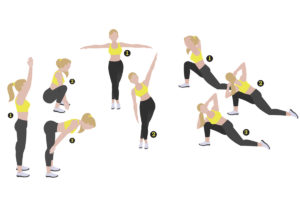
Kickin’ Cooldown: Post-Kickboxing Stretches
Kickboxing is an empowering class that builds confidence and improves balance, cardiovascular endurance, proprioception, strength and dynamic flexibility. It’s an effective total-body workout, especially when taught correctly, with key tenets in mind. Some say kickboxing is on the downswing; however, it’s possible that any decline in popularity is due, not to the format itself, but to how it’s being taught (or mistaught). It continues to be a staple in many facilities.

Sample Class: Mindfulness and Strength
If you teach high-intensity classes, you may have noticed that many of your devoted students don’t take advantage of gentler options, such as restorative yoga, foam rolling or low-impact classes. Cross-training is necessary for peak fitness and reduced injury risk, yet persuading participants to try something new or different is not so easy. This class, Mindfulness and Strength, prioritizes mindfulness and flexibility.

Career Advancement for Everyone
Thousands of fitness professionals consider the IDEA World Convention to be the best investment they can make to further their careers. That’s largely because the event delivers robust, multilevel education covering all facets of the industry. But there’s more to it than that, according to fitness industry veteran and this year’s IDEA Jack LaLanne Award recipient, Jay Blahnik.

Variable Deadlifts & Deadshifts
We define what variable deadlifts are and address the need for variable lifting, as well as the deadlift’s forgotten cousin, the deadshift.

Neuromuscular Power Circuits
The dynamic motions of sport require peak power—that is, the most strength a muscular contraction can muster in one of these quick bursts. Sporting athletes depend on peak power for jumping, running, throwing, striking, swinging and kicking. Scientists prefer the term “neuromuscular power” (to just “power” itself) because neural factors—including motor unit recruitment, muscle fiber firing frequency and synchronization of a muscle’s contractile forces—are involved.

Sample Class: Let’s Have a Ball!
“Have a ball” with your class using this fun format, which incorporates exercise balls into cardiovascular and strength intervals. Each 8-minute round uses either a stability ball or a medicine ball, 4 minutes of high-intensity cardio training (combined), and about 4 minutes of strength-focused work (combined). For those who also enjoy a core challenge, this class delivers.
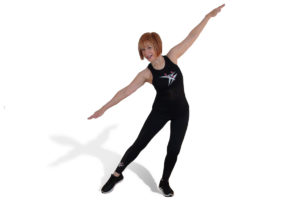
Warm Up With Rhythm
Dancing is a great workout that delivers as many smiles as it does full-body benefits. To share those benefits with participants, however, you don’t need to teach a whole dance class. A dance-inspired warmup will help patrons prepare for specific movements while setting a perfect tone for class.
In general, a good warmup includes

No-Equipment Outdoor Workouts
It’s that time of year when springtime reinvigorates clients and participants, coaxing them to come out of hibernation and play. Why not leave the fluorescent lights behind and take class outside? Parks, fields, even parking lots are great places to lead outdoor workouts. There are options for everyone—and you don’t have to lug around a bunch of equipment, either. Maximize your time and space by incorporating simple, effective body-weight exercises that improve strength, speed, power and flexibility.

Cycling + Off-Bike Strength: Combo Class
Indoor cycling remains one of the hottest formats; it’s still credited with being a turnkey class that introduces men to the group exercise schedule. One reason indoor cycling is still viable is that it’s always reinventing itself. Over the past 20 years, it has evolved and survived many changes: new bike options, top-line educational programs and metric technology, to name a few. Currently, fusion classes are trending, and boutique studios are marketing their unique claims to a total-body workout.

Preparing Clients for Active Vacations
Do your over-55 clients or class members want to travel for pleasure but need more strength, stamina and mobility? Do they worry they’ll miss seeing the world because they lack physical ability?

Question of the Month: April 2019
When you design training programs for clients, do you take exercise enjoyment into account? What strategies do you use to find out which types of physical activities clients enjoy doing most? Through experience, have you found ways that work better than others? Share your best practices and illustrative stories on how efforts to optimize client enjoyment of physical activity have produced better training results.
We want to hear from you!

Creating Enjoyable Training Programs
Physical inactivity levels continue to rise in spite of widespread knowledge of the negative consequences. University of North Carolina at Chapel Hill researchers suggest the issue may not come from a lack of knowledge but from how exercise is programmed. Studies show that simply manipulating elements of the FITT principle (frequency, intensity, time and type of exercise) does not improve adherence to exercise.

Integrating Cognitive Training Into Exercise Programs for Older Adults
How can you “cognify” exercises to give your clients a big kick in the hippocampus? The basic ideas here can help you integrate cognitive stimuli into most exercises.

Women and Weight Training
Every day, more women are moving from the cardio room to the weight room. It’s a welcome transition; getting stronger can transform their self-esteem, confidence and self-efficacy.

Stretching Using Suspension Equipment
When it comes to integrated stretching, the TRX® Suspension Trainer™ is a helpful tool. Stretching can often feel somewhat passive; however, the game changes when you hold straps or attach them to your feet. Our bodies move in patterns, not in isolation, so why not enhance that concept and include this equipment in your cooldowns?
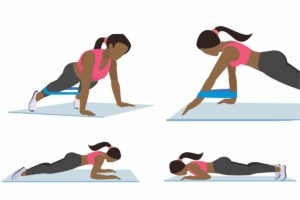
Plank Variations
Forearm plank, side plank, plank with hip dips—all are group exercise favorites. The plank is one of the most familiar and effective choices for core work, and it’s an easy addition. However, how many times can you program that same old plank? Fortunately, with a little creativity, a basic plank can be amazingly versatile. Just add simple movements and a little resistance to make an already challenging move even more interesting and effective.
The following variations are best for participants who can hold a plank with
good form for at least a minute.

Strength Training for Women
Adding programming that addresses strength training for women allows you to customize your offering and provide great client support. The key is in understanding muscle physiology and what women, specifically, need to succeed.

A Dynamic HIIT Workout With Sand Bells
More flexible and variable than dumbbells or kettlebells, sand bells are sand-filled disks that can be lifted, slammed, tossed, curled, or flipped like a heavy pancake. The following playful workout mixes high-intensity cardio and strength training with two levels of progression, creating a user-friendly class for any participant.
Sand Bell HIIT Details
FORMAT: strength and cardio conditioning
TOTAL TIME: 55 minutes