

Diets/Dieting/Fad Diets
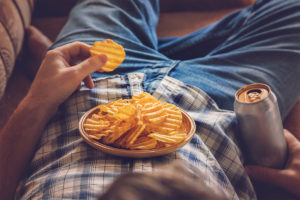
Diet and Productivity
Is there a link between diet and productivity? Unhealthy late-night snacking may make people less productive at work the next day.
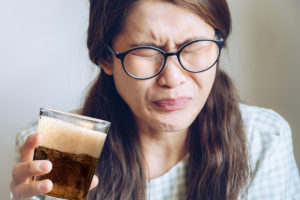
Fructose Affects the Immune System
A diet that is high in fructose, found in sugary processed drinks and foods, could keep the body’s immune system from functioning properly.

Plant Protein for Muscle Growth
It’s long been thought that animal protein is superior for building bigger muscles, but new data shows a plant protein works just as well.

Genetics and Diet
Genetics is partially responsible for dictating whether we love vegetables, according to a study on the link between genetics and diet.

Acne and Diet
A review of clinical trials and observational studies links acne and diet, including diets with a high glycemic index/high glycemic load.

Colorectal Cancer and Diet
The etiology of colorectal cancer is multifactorial, but a handful of recent research reports suggest our dietary habits play a big role.
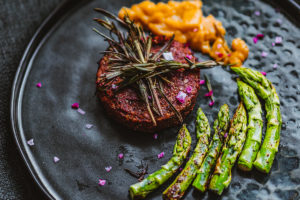
Vegetarian and Vegan Diets High in Ultraprocessed Foods
Going from meat to vegetarian or vegan diets may result in a troubling change in the types of foods people choose to add to their diets.

Evening Chronotype and Diet
A connection exists between chronotype and diet. If you fall into the evening category, your preference may not bode well for your diet.

5 Servings of Fruits and Vegetables
A study found that the long-standing public health message of “5 A Day”—5 servings of fruit and vegetables—is worth embracing.

Question of the Month: Should We Treat Stress to Eat Better?
Pent-up angst could be another reason why so many people eat poorly, providing more proof that we should treat stress to eat better.
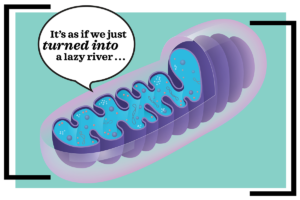
Calorie Restriction and Mitochondria
The interaction between calorie restriction and mitochondria may help explain why so many diets fail to produce lasting weight loss results.

Antioxidants for Depression
Perhaps a way to “color yourself happy” lies in the not-yet-trendy high polyphenol diet that contain antioxidants for depression symptoms.
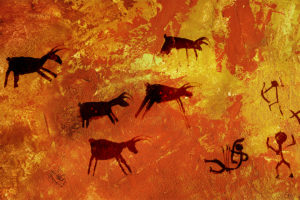
Evolutionary History Informs Eating
Our bodies evolved to digest foods our ancestors ate, so what contributes to poor health is the mismatch between our evolutionary history and what we eat.

April 2021 Question of the Month: Are the Dietary Guidelines for Americans Tough Enough?
Are you satisfied with the 2020–2025 Dietary Guidelines for Americans? Do you believe this edition missed the mark on alcohol and added sugars?

Recommended Vegetable Intake for Teens
According to an analysis by the CDC, only 2% of high school students in the U.S. are meeting the recommended vegetable intake.

Breastmilk Benefits
Breastfeeding has long played a vital role in child development. We now have evidence for breastmilk benefits, like keeping infants in a healthy weight range.
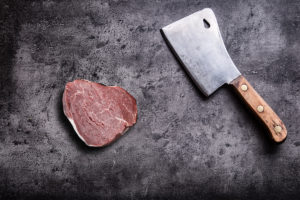
Less Red Meat, Lower Diabetes Risk
Red meat is a staple in the typical American diet, but it appears replacing it with other sources of protein may help reduce the risk of type 2 diabetes.
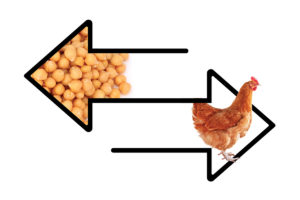
Greenhouse Emissions From Animal-Based Products
Greenhouse emissions would drop 35% if Americans replaced half of the animal-based products in their diet with plant-based foods, according to researchers.

Carbs and Fecundability
Women in North America and Denmark who wanted to become pregnant and consumed higher amounts of lower-quality carbohydrates experienced lower fecundability.

Video Games and Poor Eating Habits
The explosive growth of the video game industry may be leading to less-than-stellar eating habits in young men.