
Minimal Equipment, Maximum Results: The Rise of Simplified Strength Training
Dumbbells, kettlebells, and bodyweight workouts are redefining strength training with convenience and efficiency.
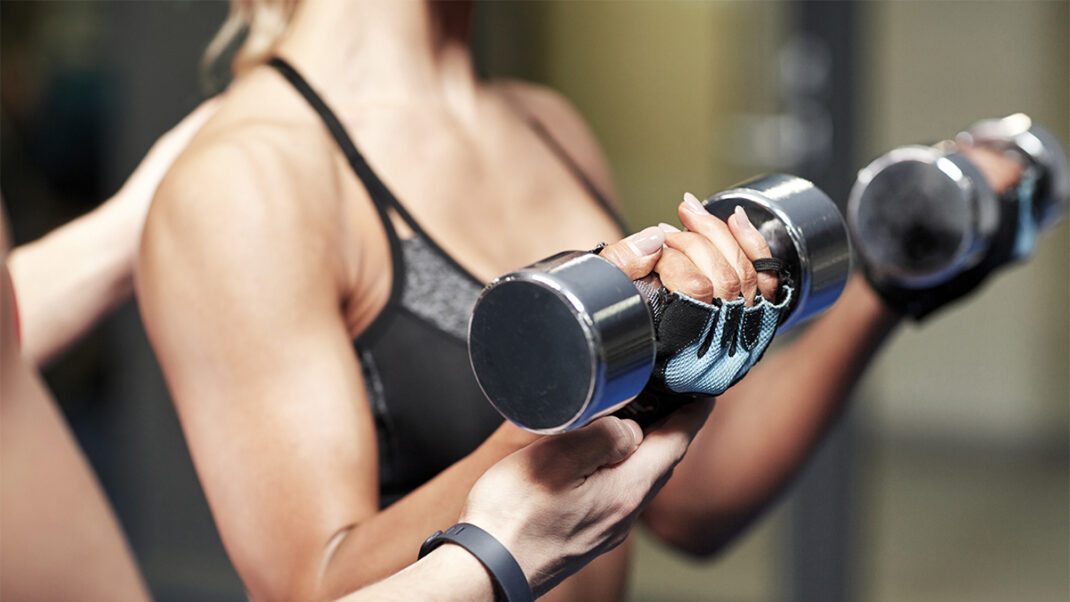
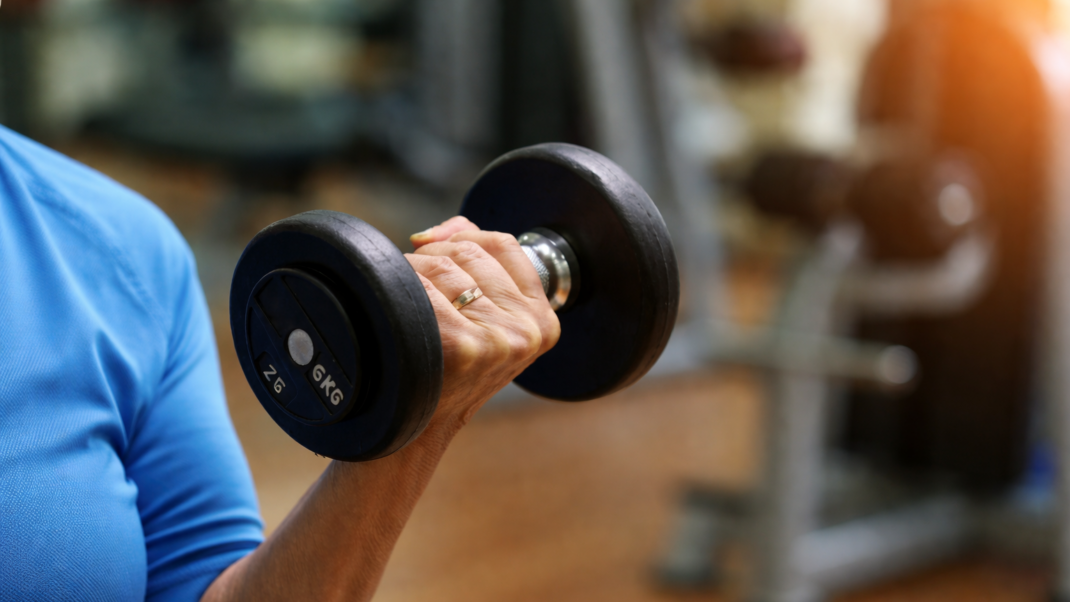
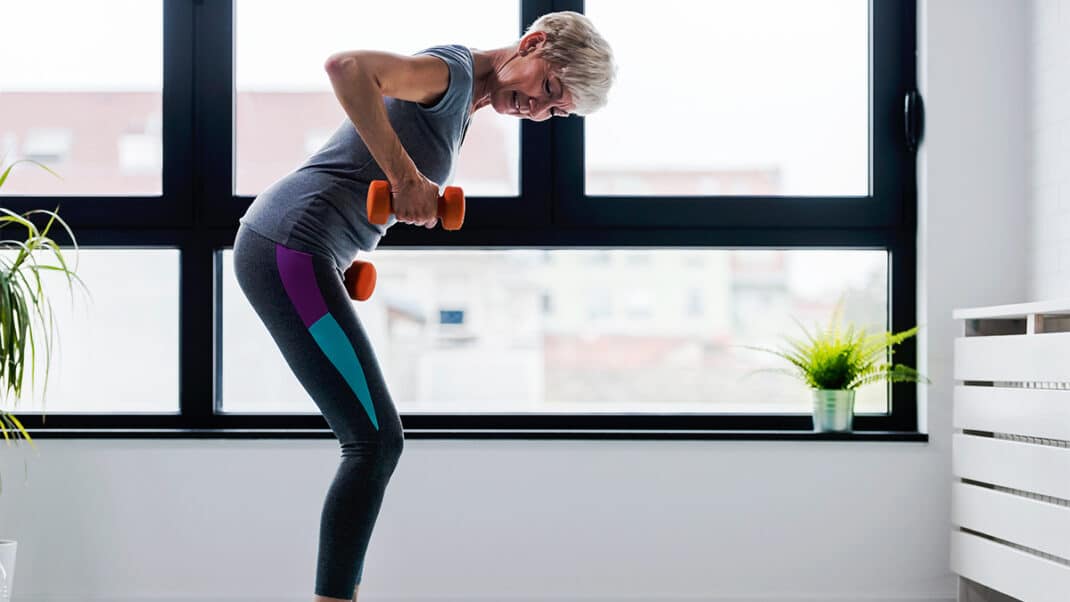
Strength training no longer requires a fully equipped gym. One of the biggest trends right now is minimal equipment training—programs built around dumbbells, kettlebells, and bodyweight exercises that deliver serious results without complexity. This shift is driven by accessibility and adherence; when workouts are simpler and more convenient, people are far more likely to stay consistent. Compound movements like goblet squats, push-ups, rows, and kettlebell swings allow you to target multiple muscle groups efficiently, making them ideal for time-conscious individuals.
Beyond convenience, minimal equipment training also promotes better movement quality. Without machines to guide range of motion, exercisers must develop stability, coordination, and control—key components of functional strength. Research continues to show that these types of multi-joint, free-weight and bodyweight exercises can be just as effective for building strength and muscle as machine-based programs when programmed correctly.
Actionable takeaways:
Build workouts around 4–6 compound movements (e.g., squat, hinge, push, pull, carry, core). Aim for 2–4 sets of 8–12 reps per exercise. Train 3–4 days per week, and progressively increase load, reps, or time under tension. If equipment is limited, manipulate tempo (slower lowering phases) or reduce rest time to maintain intensity.
References
Schoenfeld, B. J. (2010). The mechanisms of muscle hypertrophy and their application to resistance training. Journal of Strength and Conditioning Research, 24(10), 2857–2872.
Gentil, P., et al. (2017). Resistance training with single vs. multi-joint exercises. Sports Medicine, 47(5), 843–855.