

Special Populations

Children’s Diets Worsen With Age
Rising obesity rates in American children suggest that their diets leave a lot to be desired. Recently, researchers with the USDA Agricultural Research Service explored young people’s diets using the Healthy Eating Index (HEI), which measures how well diets align with federal Dietary Guidelines for Americans.

Media Multitasking: Another Link to Obesity?
Do any of your clients struggle with weight gain? If so, let them know about new research that has found that media multitasking has now been linked to obesity.
Research from Rice University indicates that mindless switching between digital devices is associated with increased susceptibility to food temptations and lack of self-control, which may result in weight gain (Lopez, Heatherton & Wagner 2019).

How to Improve Tennis Performance
Tennis is one of the most popular sports in the world. In the U.S. alone, there are almost 18 million players, with another 14 million expressing interest (TIA 2018). Unfortunately, the dynamic, forceful twists and turns of the game pose ever-present injury risks to players (Roetert & Kovacs 2011).

Career Advancement for Everyone
Thousands of fitness professionals consider the IDEA World Convention to be the best investment they can make to further their careers. That’s largely because the event delivers robust, multilevel education covering all facets of the industry. But there’s more to it than that, according to fitness industry veteran and this year’s IDEA Jack LaLanne Award recipient, Jay Blahnik.

Pilates Helps Adolescents
6-week Pilates program improved core muscle endurance and hamstring flexibility among adolescents between 9 and 19 years with a history of back pain. Research findings from a preliminary study published in Complementary Therapies in Clinical Practice (2019; doi:10.1016/j.ctcp.2019.01.006) showed that a 6-week Pilates mat exercise program with two 55-minute sessions per week can improve conditioning in both young males and young females.

Maternal Stress and Overweight Girls
The number of children with overweight or obesity—especially among kids younger than 6—is rising in modern societies. Being overweight before preschool increases the likelihood that children will develop obesity as they grow older.

Fitness Training Reduces C-Section Risk
Women in their third trimester of pregnancy who are highly physically active are less likely to have an acute cesarean birth than women with low physical activity levels, according to findings from the Norwegian Fit for Delivery study (a randomized controlled trial).

Fitness Pros Influence Body Satisfaction
Women in a group exercise class experienced greater body satisfaction and better moods when the instructor made motivational comments related to strength and health instead of weight or appearance.
Blood Pressure, Diet and Aging
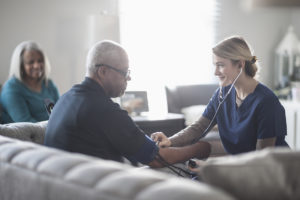
It’s official: The typical Western diet is a major driver of rising blood pressure as we age, not age itself as previously thought, according to research from the Johns Hopkins University Bloomberg School of Public Health published in JAMA Cardiology. The study revealed that members of the isolated South American Yanomami tribe, with virtually no Western dietary influences, typically have no rise in their blood pressure numbers from age 1 to age 60.

Eat Fish for a Long Life
If you want to enjoy many more birthdays in great health, it could be a good idea to cast your line for omega-3-rich fish more often. In a 13-year study of older Americans, published in the journal BMJ, those with higher circulating blood levels of marine-derived, long-chain omega-3 fatty acids—such as docosapentaenoic acid—were significantly more likely to age healthfully than their peers with lower levels of these omegs-3s in their blood.

Inside the Latest Physical Activity Guidelines
The more we move, the better we live. Even a few minutes of exercise is better than sitting still.
These are just two of the conclusions in the recent report from the 2018 Physical Activity Guidelines Advisory Committee, whose recommendations form a sound foundation for integrating exercise into our daily lives.

The Power of Simple Lifestyle Changes
Lifestyle choices have a significant impact on quality and length of life. With many Americans living longer than ever, fitness pros are on the front lines of a complex challenge: How will we help people remain active and engaged from their 60s into their 90s and beyond? How can we help them stay healthy to rein in healthcare costs?

Debating Alcohol Consumption and Risk
In our September 2018 issue of Fitness Journal, we reported on an international study published in The Lancet that found any level of drinking above 100 grams of alcohol (3.75 ounces) per week increases heart disease risk and shortens lifespan.

Neuromuscular Power Circuits
The dynamic motions of sport require peak power—that is, the most strength a muscular contraction can muster in one of these quick bursts. Sporting athletes depend on peak power for jumping, running, throwing, striking, swinging and kicking. Scientists prefer the term “neuromuscular power” (to just “power” itself) because neural factors—including motor unit recruitment, muscle fiber firing frequency and synchronization of a muscle’s contractile forces—are involved.

The Key to a Prolific Career
Soccer great Pelé once said, “Success is no accident. It is hard work, perseverance, learning, studying, sacrifice and, most of all, love of what you are doing or learning to do.” This concept forms the foundation of everything you will experience at the 2019 IDEA® World Convention in Anaheim, June 26–30.

Preparing Clients for Active Vacations
Do your over-55 clients or class members want to travel for pleasure but need more strength, stamina and mobility? Do they worry they’ll miss seeing the world because they lack physical ability?

Creating Enjoyable Training Programs
Physical inactivity levels continue to rise in spite of widespread knowledge of the negative consequences. University of North Carolina at Chapel Hill researchers suggest the issue may not come from a lack of knowledge but from how exercise is programmed. Studies show that simply manipulating elements of the FITT principle (frequency, intensity, time and type of exercise) does not improve adherence to exercise.
The State of Metabolic Health
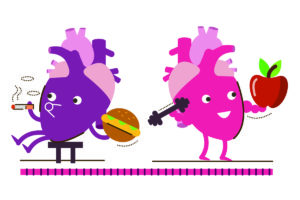
Public health may be compromised unless people shift their lifestyle choices from bad to better, according to new research. A recent study found that only 12% of American adults are “metabolically healthy,” and current trends raise a red flag on efforts to lower associated risks of type 2 diabetes, heart disease and other complications.

The Benefits of Plyometrics in the Water
Athletes who practiced jump training in water significantly improved jump height and peak power without increased injury risk, according to findings published in PLOS One (2018; 13 [12], e0208439). Researchers from the University of Technology Sydney compared athletes who performed jump training in water 1.2 meters (3 feet 11 inches) deep with athletes who followed their regular sports training—without added jump training—on land. Both groups trained three times a week for 8 weeks.

The Link Between “Tip-of-the-Tongue State” and Cardio Training
It might be time to motivate your senior clients to do more cardio. Evidence suggests that aerobic exercise can improve language skills by positively affecting brain regions associated with language processing. A recent study found that fitness and language skills are related, with cardiovascular fitness levels in healthy older adults directly linked to the ability to retrieve words hovering on the “tip of the tongue.”