

Kids & Teens
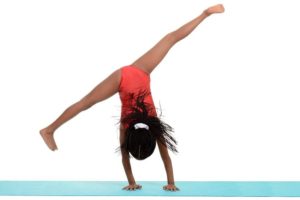
Movement Helps Kids’ Arteries
It's been documented that active kids tend to perform better in school, are less likely to gain excess weight, develop stronger muscles and bones, and much more. A new report published in Pediatric Exercise Science (2017. doi: http://dx.doi.org/10.1123/pes.2016–0168) adds improved arterial health to the list of benefits.

Parents’ Perceptions of Child Weight May Cause Weight Gain
It might seem illogical that children would gain more weight if their parents acknowledged them as being overweight. After all, the knowledge could help parents mitigate future weight gain. Not so, according to two new studies. It turns out that children are more likely to gain weight over 10 years if their parents see them as overweight.

Do Kids Get a Passing Grade for Exercise in 2016?
The 2016 United States Report Card on Physical Activity for Children and Youth has been released, and it’s clear our kids did not make the “movement honor roll.” In overall activity participation, 6- to 19-year-olds earned a dismal D-, with only 21.6% of them achieving the recommended 60 minutes of activity per day on most days of the week.
The report card is produced as part of the U.S. National Physical Activity Plan, which assesses activity levels and offers solutions for improvement.

Another Way to Prevent Childhood Obesity
Current guidelines say children should get at least 60 minutes of physical activity per day for optimal health and fitness. For many, this is a tall order. Fortunately, exercise doesn’t require an all-or-nothing approach. Recent research has determined that even small amounts of daily high-intensity activity can help kids ward off weight gain.

5 Simple Assessments for Youth
"He's just not very coordinated."
"She's strong."
"She's out of shape."
"He's slow."
"He's athletic."

10 Ways Fitness Pros Can Help Kids Build Physical Literacy
Health and fitness professionals who join the physical literacy movement can play a powerful role in helping children become active for life. Here are several ways you can get started:
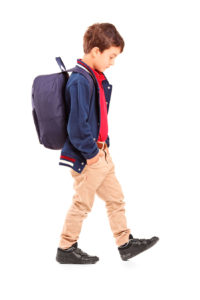
Bad News About Backpacks
In 2013, injuries related to backpack use affected at least 14,000 children, according to the U.S. Consumer Product Safety Commission. The school year may have started already, but it’s not too late to teach kids how to wear backpacks properly and reduce injury risk.
Follow these recommendations from the American Chiropractic Association:

Weight Perceptions Among U.K. Teenagers
Experts often say that the first step in overcoming a problem is to recognize that you have one. Researchers from the Health Behaviour Research Centre at University College London raise concerns that some teenagers may not realize they are overweight. The report, published in the International Journal of Obesity (2015; doi: 10.1038/ijo.2015.126), focuses on the self-re- ported weight perceptions of 4,979 boys and girls aged 13–15.

Frightening Youth Fitness Statistics
Researchers from the University of Essex in the U.K. have some troubling news to report: Fitness levels among U.K. schoolchildren are declining at a faster rate than ever. A 2009 study found a drop in fitness levels of about 0.8% over the original study 10 years earlier,
in 1998. Between 2009 and 2014, just 6 years later, that drop rate increased to 0.95%.
Physical Literacy for Kids
Health and fitness professionals are important players in a nationwide movement to promote and support physical literacy, which in turn will help to set the stage for a healthier, more active, more productive generation of children
hey’re doing either too little or too much.
For U.S. youth, that’s the stark paradox of physical activity. While
more than half of adolescents fail to accumulate the recommended 60
minutes of exercise at least 5 days per week (CDC 2015), many young
athletes are becoming specialized too early in life, which fosters a
culture of elite sports that discourages broad participation.

Eight Key Elements in Quality Youth Development
If you want to coach youth to reach their sports training goals, consider these eight keys to quality youth development, created by educators at the University of Minnesota Extension:
HELP YOUTH FEEL PHYSICALLY AND EMOTIONALLY SAFE.
Trainer’s tip: Set boundaries and expectations with both the clients and their parents early on. Be a good role model and create a safe environment.

Health Disparities Influenced by ZIP Code
Did you know that where you live may be more important than your family tree in predicting health disparities and health longevity?

Kids With Stronger Muscles Develop Better Bones
Osteoporosis is a significant concern for the aging population. A new study suggests the risk can be offset by development of lean muscle in childhood.

Buddies Help Boost Activity Levels
Researchers from the Cincinnati Children’s Hospital Medical Center may have a solution for inactivity among kids: Pair an inactive child with an active buddy.
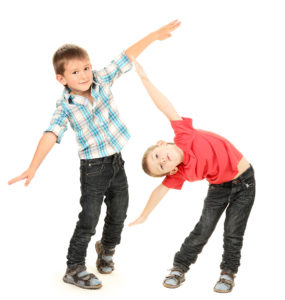
From the Couch to Conditioning
Youth are flocking to fitness classes as parents face concerns over inactivity, obesity, sports injuries and performance. Instructors are learning to cater to the vast needs of this market, and it can be difficult to create a safe environment where all children can participate, get results and have a good time. While challenges will always exist in group classes, some simple strategies, particularly during the first few minutes, can turn frustration into fun.
Engagement and Physical Literacy

Mind-Body Activities for Children
Today’s fast-paced, digital world pressures children to grow up fast. Instead of running around grassy playgrounds, most of them live highly structured lives, shuttling from one organized activity to the next, often while playing with hyper-stimulating devices. For school-age children, homework, peer pressure, teasing, poor grades, bullying, parental demands and isolation can all trigger stress (White

Kids in Motion Are Happy Kids
Kathleen Tullie, director of social purpose at Reebok International, is the cofounder and executive director of BOKS (Build Our Kids’ Success). The physical activity program aims to jump-start children’s brains, improving academic performance and overall health by promoting exercise and nutrition knowledge. The program is run by moms, dads, teachers and volunteers, 2–3 days a week before or during school.

Youth Sports Training
Did you know that throughout the United States there are currently more than 35 million active athletes aged 5–18 competing in youth sports (Statistic Brain 2014)? That means there is a growing opportunity for personal trainers to offer services in a new way.

Help Parents Help Kids Get Healthy
We know that the right home environment can lay a strong foundation for health and fitness. Help your clients improve their kids’ health with these suggestions from IDEA member Jennifer Salter, director of Lifeline Personal Training in Toronto:

Gym Helps Kids Across the Spectrum
Sometimes the best ideas are born of necessity. Dina Kimmel, a mother of two, experienced difficulty finding ways to support her autistic son’s development, so she took on the challenge herself and created a “sensory gym” in her home. After seeing her son’s success with it, Kimmel decided that this type of setting should be available to others, and she opened the first We Rock the Spectrum Kid’s Gym® for All Kids in Tarzana, California.