

Walking

Walking Speed: A Predictor of Functional Health
Slow walking speed has been linked to a greater risk of mortality in older adults, while brisk walking has been linked to better health.

Spotting and Fixing Flaws in Walking Biomechanics
Participating in a program of regular exercise is a good idea at any stage of life, but particularly as we get older. Exercising frequently and consistently has many documented benefits, including promoting good health, preventing disease, enhancing mental health and physical capacity, aiding recovery from injury and illness, minimizing the effects of aging, and improving one’s ability to handle the physical demands of life (Bird, Smith & James 1998).

A New Way to Combat High Blood Pressure During Menopause
Researchers have linked menopause with arterial stiffness and high blood pressure. A recent study of Korean women, led by The North American Menopause Society, suggests that taking the stairs is a good way to manage those conditions.

4,000 Steps a Day for Brain Fitness
By walking more than 4,000 steps a day, adults aged 60 and older can improve both attention and mental skills, according to a study in the Journal of Alzheimer’s Disease (2017; doi:10.3233/JAD-170586).
University of California, Los Angeles, researchers examined the relationship between physical activity and cognitive function in nondemented older adults with memory issues. For 2 years, researchers tracked the number of daily steps taken by 26 older adults and conducted neuropsychological tests and MRI scans to measure thickness of brain structures.
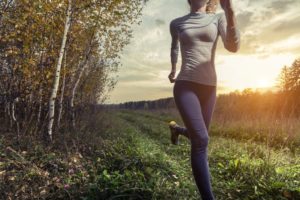
Green Exercise: How It Benefits You
Here’s a look at what the latest findings tell us about why you may want to incorporate green exercise into your programs.

Taking the Right Step—Walking Research for the Ages
Have you ever heard clients say that “walking doesn’t count” as exercise? The truth is that walking can be a valuable part of your clients’ wellness routines—but how those steps fit into a whole program may depend on age. Two different studies offer valuable feedback on the benefits of walking through a workout.
STUDY #1: When Walking and Weight Loss Are in Step

Any Kind of Physical Activity Reduces Mortality Rates
Plenty of research encourages hitting the gym or going for a run as a means of keeping the grim reaper at bay. It turns out that any kind of physical activity—whether it’s achieved at the gym or at work—has protective benefits, according to a study produced by the Population Health Research Institute at McMaster University in Hamilton, Ontario.

Get Up, Stand Up—For Your Health
We know that sitting long hours is a health hazard that can lead to early death. What’s been unclear is whether frequent breaks in sit time can reduce that risk even if total sit time remains the same. Researchers from Columbia University Medical Center looked into that question.

Move 3 for Every 30
With most U.S. adults sitting 9–12 hours daily and the risks of inactivity becoming more apparent, the popular press and the scientific community concur that “sitting is the new smoking.” Indeed, there is mounting evidence linking sedentary lifestyles to cardiovascular diseases and all causes of mortality (Diaz et al. 2017).
Though the threat seems clear, one major question has puzzled researchers: Can people reduce their risks by taking short breaks in otherwise long periods of sitting still?

Happiness Is Found on the Hiking Trail
The next time someone tells you to take a hike, why not heed the suggestion! A new report says outdoor mountain hiking has many significant benefits.
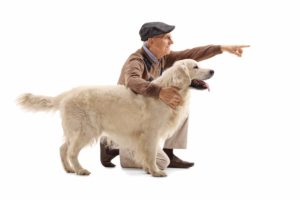
Dogs Help Older Adults Move More
Dogs aren’t just man’s best friend; they also make for great activity partners. According to a new study, older adults with a canine friend spend lots more time walking than those who don’t own a dog.

The Smart Way to Move
Clients and attendees want to see results, and you want this, too. However, you’re with them a limited number of hours per week; you have little control over what they do when they’re not with you. What if you could provide additional tools that would help people reach their physical goals while also helping them make new neural connections?

Is Exercise an Ineffective Tool for Weight Management?
Being physically active is a primary way to lose or manage weight—right? And sedentary behavior is largely to blame for
current rates of obesity? Well, let's slow down. Findings from
a study conducted at Loyola University Chicago challenge both those statements.

Too Much Sitting Accelerates Aging, Dementia Risk
Scientists have linked extended bouts of sitting with increased risk of heart disease; certain types of cancers; pain and injury; early mortality; and more. Two new studies add to the long list of potential risks associated with sitting too long.

Older Adults Will Walk for Money, Charity
Want to motivate older adults to move more? Try offering them financial or charitable-giving incentives.
Walking Is Good for the Heart
Apples may keep the doctor away, but can we say the same for walking? With heart health, the answer could be yes, according to a study conducted by Binghampton University researchers and published in Creative Nursing (2016; 20 [4], 268–75).

Researchers Question Effectiveness of Wearable Activity Trackers
The wearable activity market has seen significant growth in recent years, and the trend seems poised to continue. However, new information from Duke-NUS Medical School in Singapore suggests many buyers may not get their money’s worth—at least as far as health improvements are concerned.
Why Those With Type 2 Diabetes Should Walk After Dinner
Reducing blood sugar levels is one step in managing type 2 diabetes, and some experts say walking regularly can help. A new study suggests that when walking takes place may make a difference.
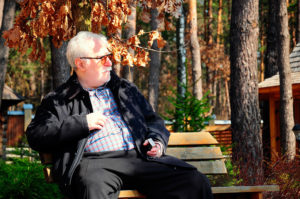
How to Get Older Adults to Sit Less
Many of today’s older adults sit for long periods of time. A new study suggests that regular phone calls can motivate this group to get out of their chairs more often.

Fitness Prescription Works!
Praise for IDEA Personal Trainer Institute™ East
I am the health and wellness coordinator for the City of Bloomington
Parks and Recreation Department in Bloomington, Indiana. I’m writing to
tell you about the Bloomington Walking Club. This informal group meets
for a guided group walk on the paved trails surrounding Olcott Park
every Thursday evening, weather permitting, April–October. Walkers of
all ability levels are welcome, and participants choose their own pace.
- « Previous
- 1
- 2
- 3
- Next »