

Cardio/Aerobic Training

Neuromuscular Power Training for Athlete Clients
To help clients with power training, you need to understand the fundamentals of neuromuscular power development.

Resistance Exercise and Heart Health
“People may think they need to spend a lot of time lifting weights, but just two sets of bench presses that take less than 5 minutes could be effective [in reducing heart disease risks], according to study author DC Lee, PhD, associate professor of kinesiology at Iowa State University, Ames.
Researchers analyzed data collected over 19 years from more than 12,000 male and female adult participants in The Aerobics Center Longitudinal Study conducted at the Cooper Clinic™ in Dallas.

A Dynamic HIIT Workout With Sand Bells
More flexible and variable than dumbbells or kettlebells, sand bells are sand-filled disks that can be lifted, slammed, tossed, curled, or flipped like a heavy pancake. The following playful workout mixes high-intensity cardio and strength training with two levels of progression, creating a user-friendly class for any participant.
Sand Bell HIIT Details
FORMAT: strength and cardio conditioning
TOTAL TIME: 55 minutes

Can Exercise Improve Mental Health?
Exercise has proven benefits for improving physical health. But what about mental health? For starters, active people are nearly 45% less likely to have depressive symptoms than inactive people (Booth, Roberts & Laye 2012). But a deeper look at the connections between exercise and mental health raises complicated questions:
Cardiovascular Fitness and Longevity
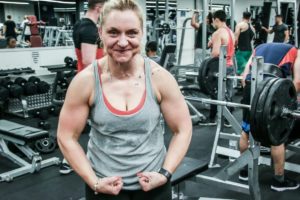
Extremely fit patients live longer than less fit peers, according to research conducted at the Cleveland Clinic in Ohio. “We found in our study there is no limit in how much exercise is too much,” said principal investigator Wael Jaber, MD, Cleveland Clinic cardiologist. “Everyone should be encouraged to achieve and maintain high fitness levels.” The study’s purpose was to examine the relationship between high fitness levels and longevity as compared with more modest levels of cardiovascular fitness.
Exercise Program Can Restore Heart Muscle Health
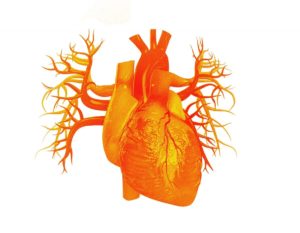
Good news for people who have delayed starting a training program. If the following exercise regimen is begun before age 65, studies show that the heart muscle can regain elasticity, reversing stiffening that can develop from lack of physical activity. Cardiologists from the University of Texas Southwestern Medical Center and Texas Health Resources in Dallas have been studying how to promote health and elasticity of the heart muscle.

Techniques for Mindful Recovery
High-intensity interval training has been all the rage for a while now, but participants are finally starting to recognize the benefits of recovery. During this restorative phase, the body repairs itself, which leads to optimal training improvements. The following class supports the recovery process by exploring mindfulness, relaxation and breathing techniques. It also addresses body awareness, muscle tension and myofascial trigger points. Make this a stand-alone 60-minute class or condense it to a 30- or 15-minute session.

A Powerful Warmup To Boost Workouts
Is the warmup a time for small talk while people trickle in, or is it an opportunity to ignite attendees’ best efforts? This may be the class section that fitness instructors plan the least, yet devoting some time to designing the warmup is really worthwhile. Why? Because starting on a strong note significantly affects the outcome of the entire workout. We want our participants to get the most from our classes, so let’s set them up for success.

Hormone Health and Functional Aging
Functional fitness is of particular importance when working with older adults, since aging is accompanied by a progressive decline in multiple physiological functions, including the ability to perform daily activities. The topic of “functional aging” addresses this ability (or lack thereof) and is becoming more and more relevant, given the increase in people 65 and older and the disability rates in this population.
Learn the endocrine system’s pivotal role in aging and how exercise can impact it.

Sample Class: Sand Bell HIIT
More flexible and variable than dumbbells or kettlebells, sand bells are sand-filled disks that can be lifted, slammed, tossed, curled, or flipped like a heavy pancake. The following playful workout mixes high-intensity cardio and strength training with two levels of progression, creating a user-friendly class for any participant.
Sand Bell HIIT Details
FORMAT: strength and cardio conditioning
TOTAL TIME: 55 minutes
Boosting the Brain Health of Older Adults
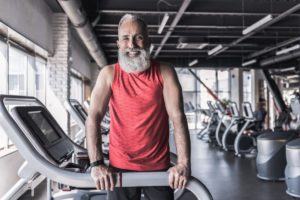
Exercise is good for promoting brain health. Indeed, the right kind of exercise can protect against the natural decline of brain.
Cardiovascular Fitness for Women
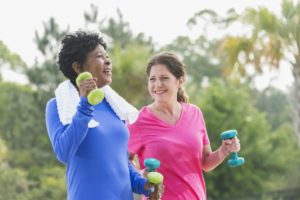
Cardiovascular disease, the leading cause of death in women, is a class of diseases involving the heart and blood vessels. Learn about this disease, its associated risk factors and the pertinent research developments; then consider the practical training guidelines for clients.

Kickboxing Safety: Back to Basics
Kickboxing classes may not be as popular today as they were in the late 1990s, but people still love to hone their skills with this effective cross-training option. Whether you’ve been teaching for several years or you’re just getting started, it’s always a good idea to review the foundational concepts that make up this total-body workout.

Training Guidance for Sedentary Young Women
Study reviewed: Kyröläinen, H., et al. 2017. Effects of combined strength and endurance training on physical performance and biomarkers of healthy young women. The Journal of Strength and Conditioning Research, 32 (6), 1554–61.

More Exercise Is Key to Weight Loss Success
New research may help solve the problem of why many people who increase their activity fail to lose weight. Although exercise burns calories, previous studies have shown that many people compensate for the increased activity by eating and resting more, thus negating some potential weight loss benefits.

Can a Short Bout of Cardio Affect Motor Skill Learning?
Fifteen minutes of aerobic exercise done immediately after practicing a new motor skill improves long-term retention of that skill, according to findings reported in NeuroImage (2018; doi:10.1016/j.neuroimage.2018.03.029). Lead study author Fabien Dal Maso, assistant professor at the University of Montreal, said, “This shows that exercise is not only good for the body; it is good for the brain.” Researchers conducted the study to explore brain mechanisms underlying motor learning and the impact of cardiovascular exercise on motor memory consolidation.

Moderate-Intensity Exercise Boosts Calorie Burning for an Entire Day
Need more convincing reasons to do a moderate-intensity workout on days when skipping training is attractive? New study findings show that energy expenditure increased for at least 22 hours after bouts of moderate-intensity (50% of peak) exercise, leading to an additional 64 (±119) kilocalories burned per day. Prior research had shown that high- but not moderate-intensity exercise increased resting energy expenditure.

Hot Yoga May Provide Heat Stress Conditioning for Athletes
If you’re looking for a good cross-training technique for your more athletic clients, suggest they practice hot yoga, which may boost aerobic performance while minimizing exercise stress.
University of British Columbia, Vancouver, researchers recruited 10 elite female field hockey players for observation. All athletes participated in 60-minute hot-yoga classes (30 degrees Celsius/86 degrees Fahrenheit) over 6 consecutive days, during which they did not engage in any other exercise. Following the intervention, the athletes played in a national-team camp.

Functional Aging and Hormone Health
Understanding functional aging and the impact of activity on hormones can arm fitness trainers to help clients with their active aging goals.

Never Skip a Beat!
As “head coach” of the circulatory/cardiovascular system, the heart pumps blood throughout the body, supplying oxygen and nutrients to tissues. Actually, two circulatory systems work as a “team”: Systemic circulation carries oxygenated blood from the heart to the body and sends deoxygenated blood back to the heart. Pulmonary circulation transports oxygen-poor blood from the heart’s right ventricle to the lungs, where it picks up a new supply of oxygen-rich blood that it carries to the heart’s left atrium (PubMed Health 2018).